Paid-members only Grade 8 Art Units Unit Plan 13 (Grade 8 Art): Style Application Project Grade 8 studio art unit where students create original artworks inspired by cultural styles, connecting personal themes to stylistic traits and historical context.
Paid-members only Grade 8 Art Units Unit Plan 12 (Grade 8 Art): Cultural Style Study Grade 8 art history unit exploring a cultural art movement—students analyze stylistic traits, elements and principles of design, and how context shapes visual meaning.
Paid-members only Grade 8 Art Units Unit Plan 11 (Grade 8 Art): Art & Historical Context Grade 8 art unit on historical, cultural, and social context—students analyze how context shapes meaning, compare artworks across eras, and create an evidence-based Art & Context analysis aligned to VA:Cn11.8a.
Paid-members only Grade 8 Art Units Unit Plan 10 (Grade 8 Art): Symbolism & Visual Metaphor Grade 8 art interpretation unit exploring symbolism and visual metaphor—students analyze artist intent, support interpretations with evidence, and create symbolic sketches.
Paid-members only Grade 8 Art Units Unit Plan 9 (Grade 8 Art): Finalize & Reflect — Studio Project I Grade 8 art completion unit where students finalize Studio Project I, evaluate craftsmanship and composition with criteria, present work, and reflect on artistic decisions.
Paid-members only Grade 8 Art Units Unit Plan 8 (Grade 8 Art): Peer Critique & Revision Grade 8 art critique unit where students use structured feedback and self-evaluation to revise artwork, strengthen craftsmanship and composition, and communicate ideas clearly.
Paid-members only Grade 8 Art Units Unit Plan 7 (Grade 8 Art): Studio Project I — Production Phase Grade 8 art studio unit where students create a major artwork using planning, technical skill, and intentional composition to express a clear artistic purpose.
Paid-members only Grade 8 Art Units Unit Plan 6 (Grade 8 Art): Concept to Final Plan Grade 8 art planning unit—students select their strongest concept, refine composition and media choices, and create a full-scale artwork plan that supports meaning.
Paid-members only Grade 8 Art Units Unit Plan 5 (Grade 8 Art): Media Experimentation Lab Grade 8 art media lab unit—students experiment with materials and techniques, compare results, and choose the best medium to communicate artistic intent.
Paid-members only Grade 8 Art Units Unit Plan 4 (Grade 8 Art): Composition & Visual Hierarchy Grade 8 art unit on visual hierarchy—students use emphasis, balance, and contrast to guide attention, organize compositions, and communicate clear meaning.
Paid-members only Grade 8 Art Units Unit Plan 3 (Grade 8 Art): Elements & Principles Mastery Grade 8 art unit on elements of art and principles of design—students plan intentional compositions, create visual impact, and analyze how design choices communicate meaning.
Paid-members only Grade 8 Art Units Unit Plan 2 (Grade 8 Art): Brainstorming & Thumbnail Sketching Grade 8 art unit on brainstorming and thumbnail sketching—students generate multiple composition ideas, evaluate with clarity/impact criteria, and refine a strongest concept.
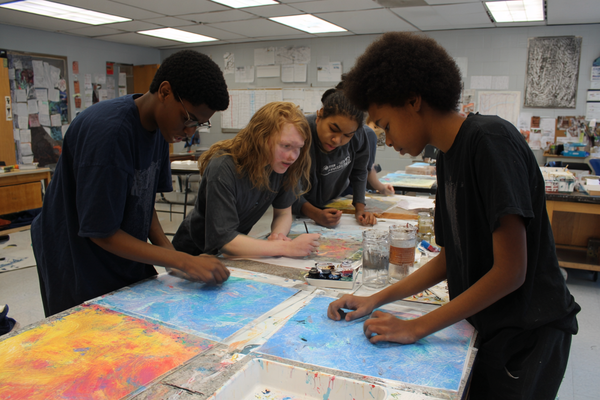
Grade 8 Art Units Unit Plan 1 (Grade 8 Art): Artistic Identity & Goal Setting Grade 8 art unit exploring personal identity through symbolism, brainstorming, and visual planning—students create original artwork and set meaningful artistic growth goals.
Blog Family-School Co-Creation Workshops: Amplifying Parent Voices for Student Success Guide to family–school co-creation workshops that empower parent voices, strengthen partnerships, and design culturally responsive routines and learning.
Parent Tips Parent Tips: Supporting Neurodivergent Learners—Home–School Alignment for ADHD & Autism Practical guide for parents of neurodivergent kids to align home and school supports, improve communication with teachers, and build routines that help ADHD and autistic learners thrive.
Grade 5 Orchestra Units Unit Plan 36 (Grade 5 Orchestra): Orchestra Reflection & Growth Grade 5 orchestra reflection unit where students assess musical growth, connect practice habits to progress, and set clear middle school goals.
Paid-members only Grade 5 Orchestra Units Unit Plan 35 (Grade 5 Orchestra): Final Orchestra Performance Grade 5 orchestra final performance unit: students rehearse with feedback to strengthen tone, rhythm, bow control, and ensemble skills, then perform for an authentic audience and reflect on growth.
Paid-members only Grade 5 Orchestra Units Unit Plan 34 (Grade 5 Orchestra): Final Performance Preparation Grade 5 orchestra unit where students refine performance through focused rehearsal, feedback, and reflection to strengthen ensemble accuracy and tone.
Paid-members only Grade 5 Orchestra Units Unit Plan 33 (Grade 5 Orchestra): Purposeful Music Choices Grade 5 orchestra unit where students explain how tempo, dynamics, and tone help music fit specific events and audiences.
Paid-members only Grade 5 Orchestra Units Unit Plan 32 (Grade 5 Orchestra): Evaluating Our Orchestra Grade 5 orchestra unit teaching students to evaluate ensemble performance with clear criteria, musical evidence, and reflective goal setting.
Paid-members only Grade 5 Orchestra Units Unit Plan 31 (Grade 5 Orchestra): Independent Practice Skills Grade 5 orchestra unit on independent practice—slow bowing, counting, repetition, and isolating measures—to improve accuracy, confidence, and rehearsal readiness.
Paid-members only Grade 5 Orchestra Units Unit Plan 30 (Grade 5 Orchestra): Tone & Technique Check Grade 5 orchestra unit strengthening posture, bow hold, left-hand position, and tone control to produce a clear, characteristic string sound.
Paid-members only Grade 5 Orchestra Units Unit Plan 29 (Grade 5 Orchestra): Sight-Reading Basics Grade 5 orchestra sight-reading unit helping students read unfamiliar music with a simple checklist, steady beat, and basic finger patterns while building ensemble confidence.
Paid-members only Grade 5 Orchestra Units Unit Plan 28 (Grade 5 Orchestra): Expressive Playing Grade 5 orchestra unit where students use bow speed and dynamics to create expressive contrast and communicate musical mood.
Paid-members only Grade 5 Orchestra Units Unit Plan 27 (Grade 5 Orchestra): Ensemble Performance Grade 5 orchestra unit building steady beat, correct notes, unified bowing, and strong ensemble rehearsal and performance habits.