Parent Tips: Friend Drama, Group Chats, and Cliques—Coaching Social Skills Without Taking Over
Parent guide to friend drama, group chats, and cliques—reflection questions, boundary scripts, teacher tips, and a weekly friendship check-in tool.

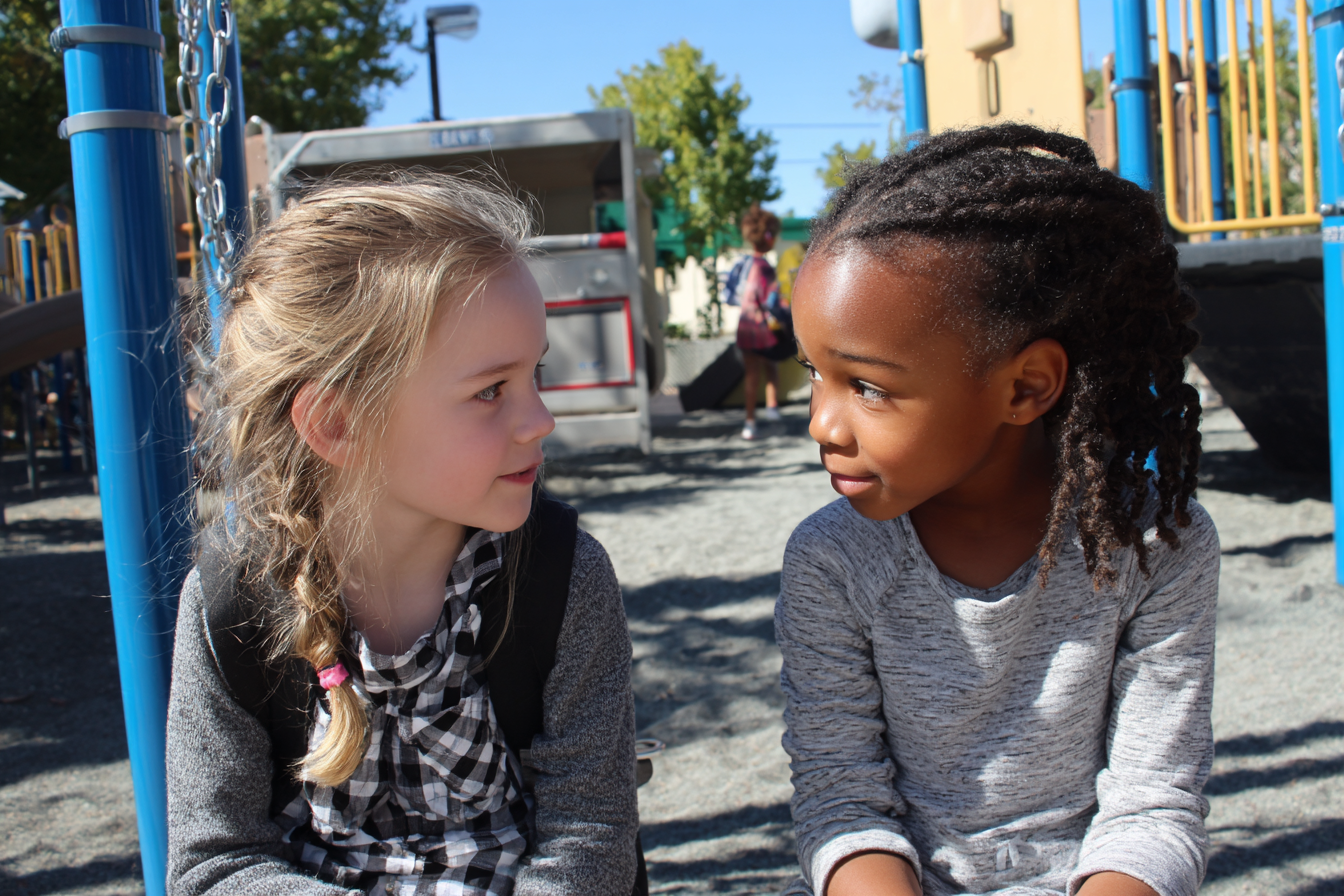
If you have a school-age child, you’ve probably seen how fast friend problems can explode. One day they’re “best friends forever,” the next day there’s a crying car ride because someone was left out at recess, kicked from a group chat, or told they can’t sit at a certain lunch table. Social dynamics change quickly, and it’s painful to watch your child get hurt or tangled in drama.
Check out our engaging printable posters. CLICK HERE to explore!
As a parent, it’s tempting to jump in, fix it, and make the feelings go away. But if you take over every time, your child misses out on learning skills they’ll need for years: naming their feelings, setting boundaries, reading social patterns, and deciding when to walk away or ask for help. This article will show you how to coach social skills without running the whole show. You’ll get reflection questions to help kids talk through hurt feelings and exclusion, role-play scripts for setting boundaries, guidelines for when to involve teachers, and a simple “friendship health” check-in chart your family can use weekly.
Why Friend Drama Hits So Hard (For Kids and Parents)
Friend issues feel big because they touch on two core needs: belonging and safety. When your child feels left out, embarrassed, or attacked in a group chat, it can feel like their whole world is crumbling. For you, watching from the sidelines can spark your own memories and fears, which makes it even harder to stay calm.
It helps to remember a few truths:
- Social bumps are normal and often temporary. Many kids cycle through different friend groups and conflicts as they grow.
- Skills like reading tone, handling group chats, and responding to exclusion are learned, not automatically understood.
- Your job is to be a steady base: listening, guiding, and stepping in only when necessary—not micromanaging every interaction.
When you see social drama as a chance to practice skills instead of a catastrophe to erase, you can respond with more clarity and less panic.
Start With Listening: Reflection Questions That Help Kids Process
Before offering advice, give your child space to tell their story. Kids are more likely to hear your guidance if they feel fully heard first.
You can use open-ended reflection questions like:
- “Walk me through what happened, from your point of view.”
- “What part of this felt the worst to you?”
- “What were you hoping would happen, and what happened instead?”
- “How do you think the other people in the group were feeling or thinking?”
- “When you look back at it, is there anything you wish you had done differently—not because you’re ‘bad,’ but because of what you know now?”
- “If this happened to a friend of yours, what would you tell them?”
While your child talks, try to:
- Hold off on correcting details or jumping to “solutions” right away.
- Reflect back what you hear: “So when they didn’t answer your text, you felt ignored and embarrassed.”
- Name feelings: “It makes sense that you’d feel angry and sad about that.”
Once your child has told the story and feels understood, you can gently shift into “What do you want to do next?” and brainstorm options together.
Understanding the Social Landscape: Not Every Group Is a Good Fit
Kids sometimes assume that if a group excludes them, it means they are unlikable or “not good enough.” Part of coaching is helping them see that not every group is healthy or meant for them.
You can explore questions like:
- “Does this group bring out your best self or your most stressed self?”
- “When you hang out with them, do you usually feel included or like you’re always trying to catch up?”
- “If these were characters in a show, would you want the main character to keep trying with that group, or look for better friends?”
- “Who makes you feel relaxed and like you can be yourself?”
This helps your child step back and evaluate the quality of the friendships, not just chase whichever group seems “coolest” or most powerful. It also prepares them to decide when a problem is worth working through and when it’s better to shift toward more supportive friends.
Group Chat Basics: Boundaries in the Digital World
Group chats add a new layer to friend drama. Messages can pile up fast, tone is easy to misread, and kids are exposed to arguments and jokes that might not be appropriate. Instead of banning everything, you can teach basic digital boundaries.
Talk through guidelines such as:
- Pause before you type. Ask, “Would I say this to their face? Would I want this read aloud in front of a teacher or parent?”
- No talking badly about someone who isn’t in the chat. If that starts happening, consider leaving or not responding.
- It’s okay to take breaks. You don’t have to read or respond to every message right away.
- Avoid screenshotting and forwarding messages to stir up more drama.
You can practice simple exit scripts:
- “Hey, this chat is getting kind of mean. I’m going to take a break.”
- “I’m logging off for now. Talk later.”
- “I don’t feel comfortable with this; I’m going to leave the group.”
If your child is younger, you might set specific times when group chats are allowed and keep devices out of bedrooms at night. That protects sleep and reduces late-night escalations.
Role-Play Scripts for Setting Boundaries and Speaking Up
Many kids know they should set boundaries but freeze when the moment comes. Practicing scripts at home can make tough conversations feel less impossible.
You can role-play three common situations: exclusion, mean joking, and pressure to go along.
When your child feels excluded
- “I felt left out when you didn’t invite me. Next time, could you let me know what’s going on?”
- “When you walked away without answering me, I felt ignored. I’d rather you just tell me if you need space.”
When “jokes” are actually hurtful
- “That joke doesn’t feel funny to me; it feels mean. Please don’t say that about me.”
- “I like joking around, but not about that. Can we change the subject?”
Enjoy science fiction? Check out my space books HERE on Amazon!
When friends are pushing them to join in something uncomfortable
- “I don’t want to do that. I’d rather sit this one out.”
- “You can do that if you want, but I’m not going to.”
When you role-play:
- Keep it short and simple—just a few lines.
- Switch roles sometimes so your child practices being the friend hearing the boundary too.
- Praise effort, not acting skills: “That was clear and calm. That’s exactly the kind of sentence that helps.”
These small scripts give your child “ready-to-use” language they can pull out in the moment.
Coaching Hurt Feelings Without Taking Over
When your child is hurt or angry, it’s tempting to say, “That’s it, I’m texting their parents” or “You’re never talking to them again.” Sometimes that level of response is necessary, especially for serious issues—but often, kids first need coaching, not a rescue.
You can walk through three steps: validate, explore options, and choose one small next move.
To validate, you might say:
- “It makes sense that you’re upset. That sounded really painful.”
- “Anyone would feel hurt in that situation.”
To explore options, ask:
- “Do you want to try talking to them about it? Do you want to give it a little time? Or do you want to focus on other friendships for now?”
- “If you could redo one part of what you said or did, what might you try instead?”
To choose a next move, reflect back:
- “So it sounds like your plan is to sit with someone else at lunch tomorrow and see how that feels.”
- “You want to send a short text to say how you felt—that makes sense. Let’s draft it together and make sure it says what you mean.”
If your child asks you to “fix it,” you can gently redirect:
- “I’ll help you figure out what to say, but I won’t say it for you. This is your friendship, and I want you to be the one who decides what happens next.”
When It’s Time to Loop in Teachers or School Staff
Not every friend issue needs adult involvement. Normal ups and downs and small miscommunications can often be handled with coaching at home. But there are times when it is appropriate to involve teachers, counselors, or administrators.
You might reach out when:
- There is ongoing bullying, not just one disagreement.
- Your child is being physically harmed, threatened, or targeted with slurs.
- Your child is consistently excluded from basic activities in ways that seem deliberate and repeated.
- Group chats or online platforms are being used to harass or humiliate your child.
- The situation is affecting your child’s ability to learn, sleep, or feel safe at school.
When you contact the school, try to:
- Stick to specific examples: dates, times, what was said or done.
- Avoid labeling individual children as “bad,” and focus on behaviors and patterns.
- Share what your child has tried so far and what you hope will change.
A short email might sound like:
Hi [Teacher or Counselor Name],
I’m reaching out about some ongoing friend issues involving [Child’s Name] in [grade/class]. Over the past few weeks, [brief description of pattern—being left out, mean comments, group chat issues]. We’ve been talking at home about how to respond, but it’s starting to affect [Child’s Name]’s mood and comfort at school.
Could we connect about what you’re seeing in class and whether there are steps we can take to support healthier dynamics? I’d appreciate any insight and suggestions you have.
Thank you, [Your Name]
This opens a collaborative door without demanding instant, drastic action.
A Simple Weekly “Friendship Health” Check-In
Just like you might track school assignments or chores, you can check in on your child’s social world regularly. A simple “friendship health” chart helps you notice patterns early, celebrate positive moments, and keep communication open.
You can create a basic chart on paper or a whiteboard with four columns:
- Column 1: Friend or group name
- Column 2: How I usually feel with them (for example: relaxed, nervous, happy, left out, silly, stressed)
- Column 3: What went well this week (for example: “We laughed at lunch,” “They invited me to join a game,” “We worked well on a project.”)
- Column 4: What was hard this week (for example: “They made a joke that hurt,” “I felt ignored,” “Group chat was intense.”)
Once a week, maybe on a Sunday evening, ask your child if they’re up for a quick check-in. You can:
- Fill out one or two rows together, not a huge list.
- Ask, “Does this friend or group feel mostly green (comfortable), yellow (mixed), or red (draining or unsafe) this week?”
- Talk about one small action they might take with each group: maybe more time with “green” friends, caution and boundaries with “yellow,” and distance or adult help with “red.”
This routine teaches your child to notice how relationships make them feel and to treat that information as important, not something to ignore.
Helping Your Child Build a “Friendship Mix,” Not Just One Best Friend
Putting all emotional eggs in one basket—one best friend or one group—can make drama feel even more devastating. You can gently encourage your child to build a “friendship mix.”
Talk about:
- People they enjoy in different settings: class, clubs, sports, neighborhood, extended family.
- How it’s healthy to have different friends for different activities.
- How it’s okay if not every friend is equally close.
You can ask:
- “Who are three people you generally feel good around?”
- “Is there anyone new you’d like to get to know better?”
- “What’s one small way you could show up as a good friend this week?”
The goal is not to force them into a huge social circle, but to help them see that their social world is bigger than one person or chat.
Taking Care of Yourself While You Support Them
Watching your child struggle socially can be draining. You’re managing your own emotions while trying to help them regulate theirs. It’s important to give yourself compassion too.
You might:
- Talk to another adult you trust about your worries, so you don’t pour all your anxiety on your child.
- Remind yourself, “I can’t control every friendship, but I can give my child tools and a safe place to land.”
- Notice when your own past experiences are getting stirred up and take a moment before responding.
When you model calm, thoughtful responses to stress, you’re teaching your child more than any script: you’re showing them what it looks like to stay grounded when life gets messy.
Conclusion
Friend drama, group chat messes, and cliques are part of growing up in a connected world—but they don’t have to define your child’s school experience. When you slow down and listen first, use reflection questions to help them process, practice simple boundary-setting scripts, and involve teachers only when needed, you give your child space to build real social skills instead of relying on you to fix everything.
You don’t have to implement every idea at once. You might start by doing a short “friendship health” check-in this week, or by role-playing one sentence your child can use when a joke feels hurtful. You could agree on basic group chat guidelines, or draft an email template together for when directions or dynamics feel confusing.
Over time, each of these small steps teaches your child that friendships can be navigated, not just endured. With your steady support and thoughtful coaching, they can learn to handle hurt feelings, set boundaries, find healthier connections, and trust themselves in the complex, ever-changing world of peer relationships.
Check out some of my latest science fiction books HERE on Amazon!
Transform your classroom into an inspiring, vibrant learning space with our beautifully designed printable posters! Perfect for engaging your students and enhancing your teaching environment, our poster bundles cover everything from historical philosophers to animals. CLICK HERE to explore our exclusive collections on Teachers Pay Teachers and give your students the motivational boost they need!