Lesson Plan (Grades 3-5): Candy Catapult Lab - Testing Force, Motion, and Sweet Engineering
Grades 3–5 STEM Candy Catapult lab exploring force and motion through testing, measuring distance, analyzing data, and engineering redesign.

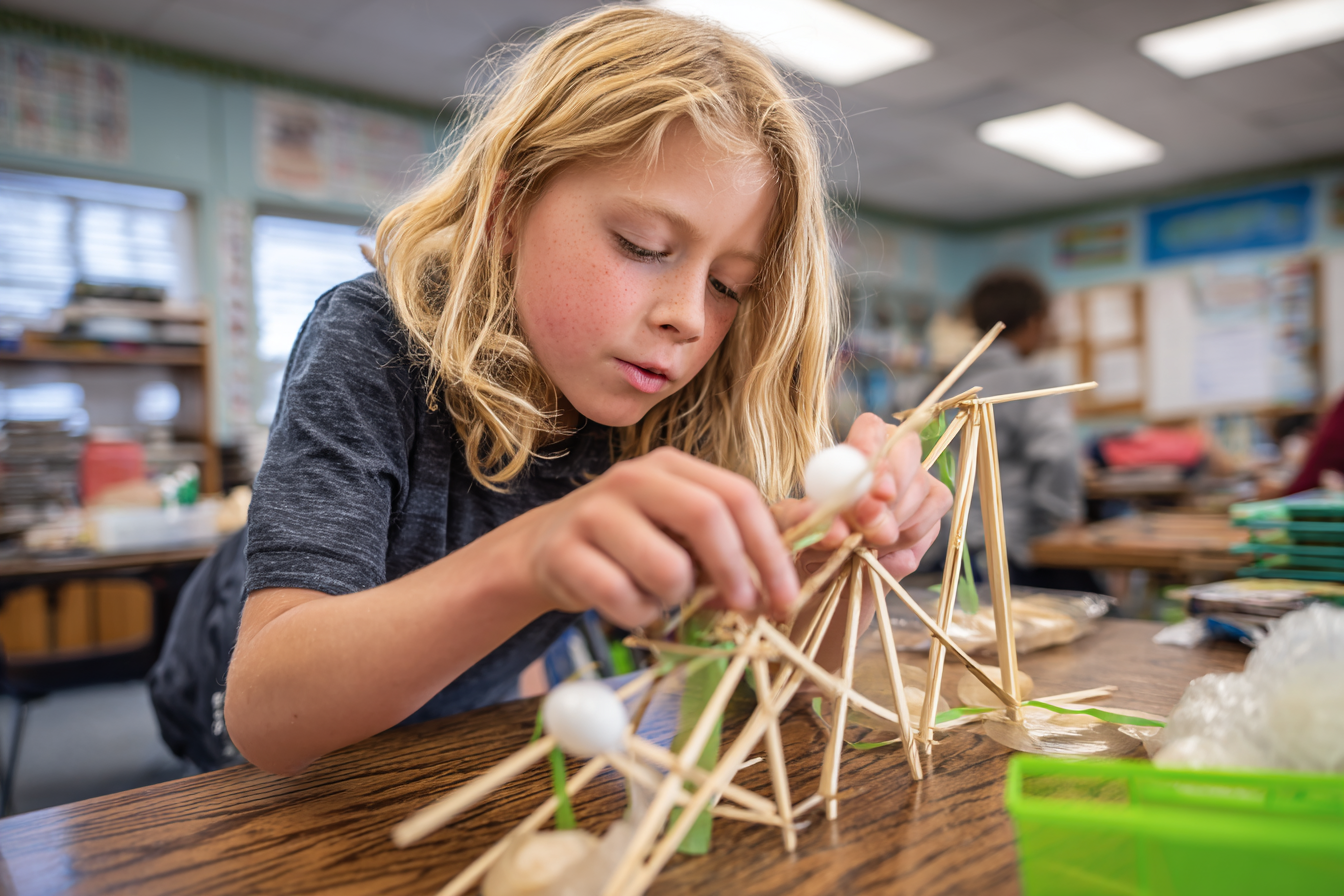
Focus: Turn a playful candy-launch challenge into a rigorous STEM investigation in which students build mini catapults, test how force affects motion, measure launch distances, compare results, and improve designs using data and engineering thinking.
Grade Level: 3-5
Subject Area: Science • Math • Engineering/Design • Inquiry/Skills
Total Unit Duration: 1 core lesson with 2 optional extension lessons
I. Introduction
Students become young engineers in a hands-on Candy Catapult Lab where they explore force, motion, and design improvement through a highly engaging launch challenge. Using simple classroom materials, students build a mini catapult, launch a small piece of wrapped candy or a safe substitute, and observe how changing the launch setup affects the candy’s motion. As they test, students collect measurement data, compare outcomes, and look for patterns in how far or accurately the candy travels. The lesson feels playful right away, but it is grounded in real science and engineering practices: asking questions, testing variables, measuring carefully, and improving a design based on evidence.
Essential Questions
- How does a push or pull affect the motion of an object?
- How can changing one part of a catapult design change how far or how accurately the candy moves?
- Why is it important to test one variable at a time and collect data carefully?
- How can engineers use results from a test to improve a design?
- What patterns can we find in our launches, and how can those patterns help us make predictions?
II. Objectives and Standards
Learning Objectives — Students will be able to:
- Build and test a simple catapult model using classroom materials.
- Observe and describe how force affects the motion of a launched object.
- Measure and record launch distances using a consistent unit of measure.
- Compare multiple trials to identify patterns in motion and performance.
- Change one design feature or launch variable and explain how it affects results.
- Use evidence from testing to make a claim about which catapult setup works best and why.
Standards Alignment
- NGSS 3-PS2-1
- Plan and conduct an investigation to provide evidence of the effects of balanced and unbalanced forces on the motion of an object.
- NGSS 3-PS2-2
- Make observations and/or measurements of an object’s motion to provide evidence that a pattern can be used to predict future motion.
- NGSS 3-5-ETS1-3
- Plan and carry out fair tests in which variables are controlled and failure points are considered to identify aspects of a model or prototype that can be improved.
- CCSS.MATH.CONTENT.3.MD.B.3
- Draw a scaled picture graph and a scaled bar graph to represent a data set with several categories; solve one- and two-step “how many more” and “how many less” problems using information presented in scaled graphs.
Success Criteria — Student Language
- I can build and safely test a catapult.
- I can explain how a push or pull affects how an object moves.
- I can measure and record how far my candy travels.
- I can look at my data and notice a pattern.
- I can explain how one change in the catapult or launch method changed the result.
- I can use my results to say which design worked best and why.