Lesson Plan (Grades K-2): Fairy Tale STEM Rescue - Designing Bridges, Boats, and Safe Paths for Storybook Characters
K–2 Fairy Tale STEM lesson plan where students build bridges, boats, and safe paths for story characters through hands-on engineering and teamwork.

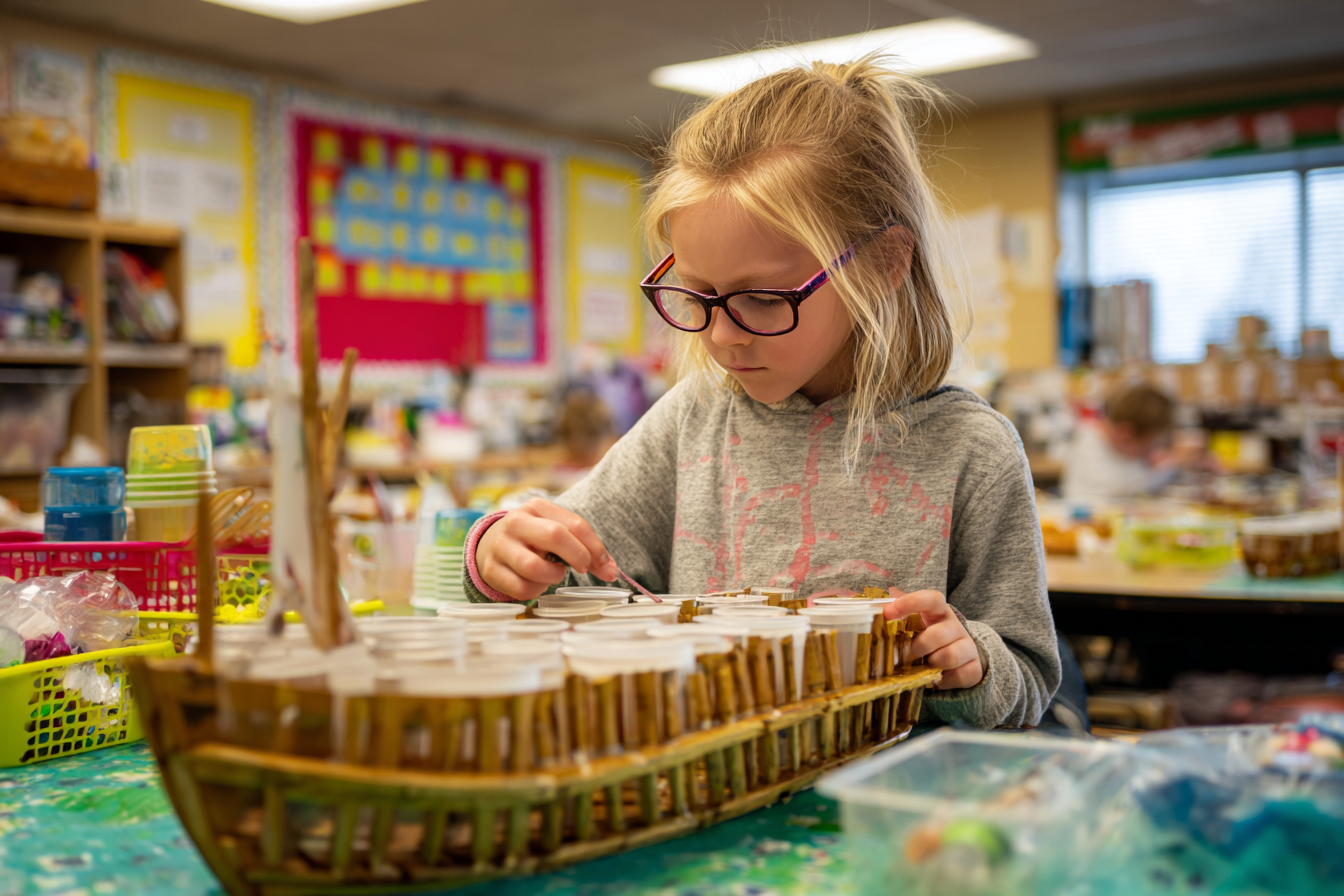
Focus: Combine beloved fairy tales with hands-on STEM design as students solve problems for storybook characters by building bridges, boats, or safe paths. Students ask questions about a character’s problem, sketch a solution, test materials, talk with teammates, and improve their design through evidence and collaboration.
Grade Level: K-2
Subject Area: Science • ELA • Engineering/Design • Inquiry/Skills
Total Unit Duration: 1 core lesson with 2 optional extension lessons
I. Introduction
Students become story engineers in a playful, highly visual Fairy Tale STEM Rescue lesson. After hearing or revisiting a familiar fairy tale, students are challenged to help a character solve a problem through design. One group might build a bridge for the Three Billy Goats Gruff, another a boat for the Gingerbread Man, and another a safe path for Little Red Riding Hood. Students ask what the character needs, sketch a plan, build with simple materials, test their design, and talk with classmates about what worked and what needs to change. The lesson blends imagination with real engineering habits: defining a problem, creating a model, testing, and improving.
Essential Questions
- What problem does the story character need help solving?
- How can we design a bridge, boat, or safe path that helps the character?
- What makes a design strong, safe, or successful?
- How can talking with teammates help us improve our ideas?
- What can we learn from testing a design and trying again?
II. Objectives and Standards
Learning Objectives — Students will be able to:
- Identify a simple problem faced by a fairy tale character.
- Ask questions about what the character needs and what a successful solution must do.
- Create a simple drawing, plan, or model for a bridge, boat, or safe path.
- Build and test a design using classroom materials.
- Work with classmates in collaborative conversations to share ideas, take turns, and respond to others.
- Explain how their design helped the character and how they might improve it.
Standards Alignment
- NGSS K-2-ETS1-1
- Ask questions, make observations, and gather information about a situation people want to change to define a simple problem that can be solved through the development of a new or improved object or tool.
- NGSS K-2-ETS1-2
- Develop a simple sketch, drawing, or physical model to illustrate how the shape of an object helps it function as needed to solve a given problem.
- NGSS K-2-ETS1-3
- Analyze data from tests of two objects designed to solve the same problem to compare the strengths and weaknesses of how each performs.
- CCSS.ELA-LITERACY.SL.1.1
- Participate in collaborative conversations with diverse partners about grade 1 topics and texts with peers and adults in small and larger groups.
Success Criteria — Student Language
- I can tell what problem the story character has.
- I can draw or build a design to help solve the problem.
- I can test my design and notice what works.
- I can talk with my group, listen, and share ideas kindly.
- I can explain how my design helped the character and what I would change next time.