Lesson Plan (Grades K-2): Rainbow Rhythm Parade - Exploring Patterns, Movement, and Music Through Color
Rainbow Rhythm Parade is a joyful K-2 lesson that blends math, music, and movement as students build color patterns, count beats, and perform repeating rhythms.

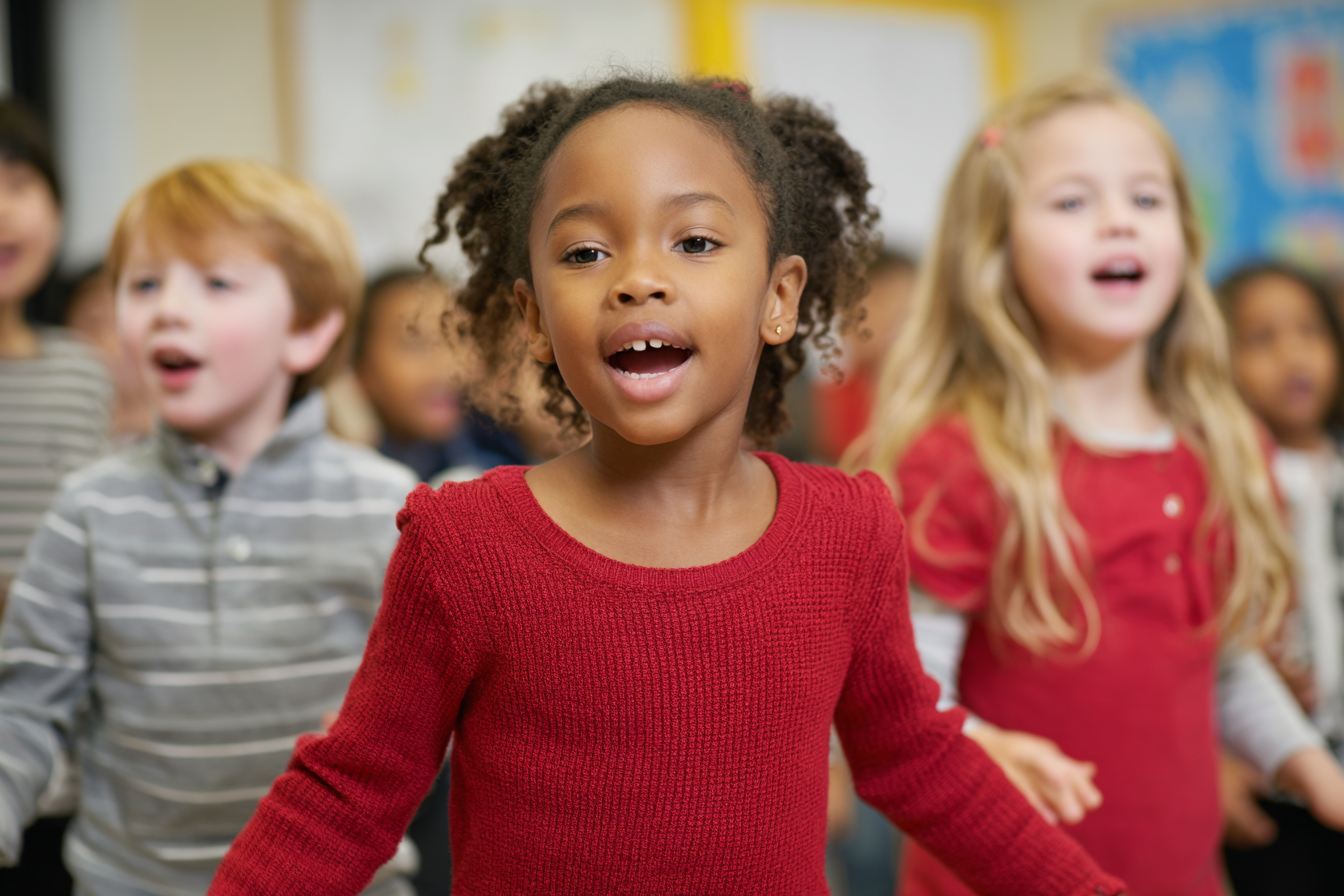
Focus: Combine color patterns, rhythm, and movement in a joyful early elementary lesson where students build and perform a “Rainbow Rhythm Parade.” Students create repeating color and sound patterns, connect counting to beats and movement, and perform simple musical sequences with percussion, pathways, and visual cues.
Grade Level: K-2
Subject Area: Math • Music • Movement • Inquiry/Skills
Total Unit Duration: 1 core lesson with 2 optional extension lessons
I. Introduction
Students become music-makers and pattern designers in a bright, highly visual Rainbow Rhythm Parade. In the core lesson, students use color cards, percussion sounds, and body movement to create and follow simple repeating patterns such as AB and ABC. They clap, tap, march, and move through pathways while matching color sequences to rhythm patterns, helping them connect what they see, hear, and do. The lesson feels playful and performance-based, but it is grounded in real academic learning: identifying patterns, counting beats, organizing sequences, and responding to musical structure.
Essential Questions
- What is a pattern, and how can we show it with colors, sounds, and movement?
- How can music help us notice and repeat patterns?
- How can counting help us stay together in a rhythm pattern or parade sequence?
- What happens when we change one part of a pattern?
- How do we work together to perform a colorful rhythm parade?
II. Objectives and Standards
Learning Objectives — Students will be able to:
- Identify and repeat simple visual and musical patterns such as AB and ABC.
- Connect color sequences to rhythm patterns using percussion, clapping, or body percussion.
- Count beats and movement steps to keep a pattern going.
- Use movement pathways such as marching, stepping, or circling to perform a repeating sequence.
- Create a simple pattern performance using color, rhythm, and motion.
- Explain how their pattern works and what repeats in the sequence.
Standards Alignment
- CCSS.MATH.CONTENT.K.OA.A.1
- Represent addition and subtraction with objects, fingers, mental images, drawings, sounds, acting out situations, verbal explanations, expressions, or equations.
- CCSS.MATH.CONTENT.1.OA.C.5
- Relate counting to addition and subtraction (e.g., by counting on 2 to add 2).
- MU:Pr4.2.Ka
- With guidance, demonstrate and identify how specific music concepts (such as beat or rhythm) are used in music for a purpose.
- MU:Pr4.2.1a
- Demonstrate and identify how specific music concepts (such as beat or pitch) are used in various styles of music for a purpose.
- CCSS.ELA-LITERACY.SL.K.1 / SL.1.1 / SL.2.1
- Participate in collaborative conversations with diverse partners about kindergarten through grade 2 topics and texts with peers and adults in small and larger groups.
Success Criteria — Student Language
- I can find and repeat a pattern.
- I can match colors to sounds and movements.
- I can count beats to help keep the pattern going.
- I can perform a rhythm pattern with my class or group.
- I can explain what part of my pattern repeats.