Lesson Plan (Grades 3-5): Time Capsule Writers - Crafting Letters, Artifacts, and Predictions for Future Students
Create a grades 3–5 time capsule with letters, historical artifacts, informative writing, and evidence-based predictions about the future.

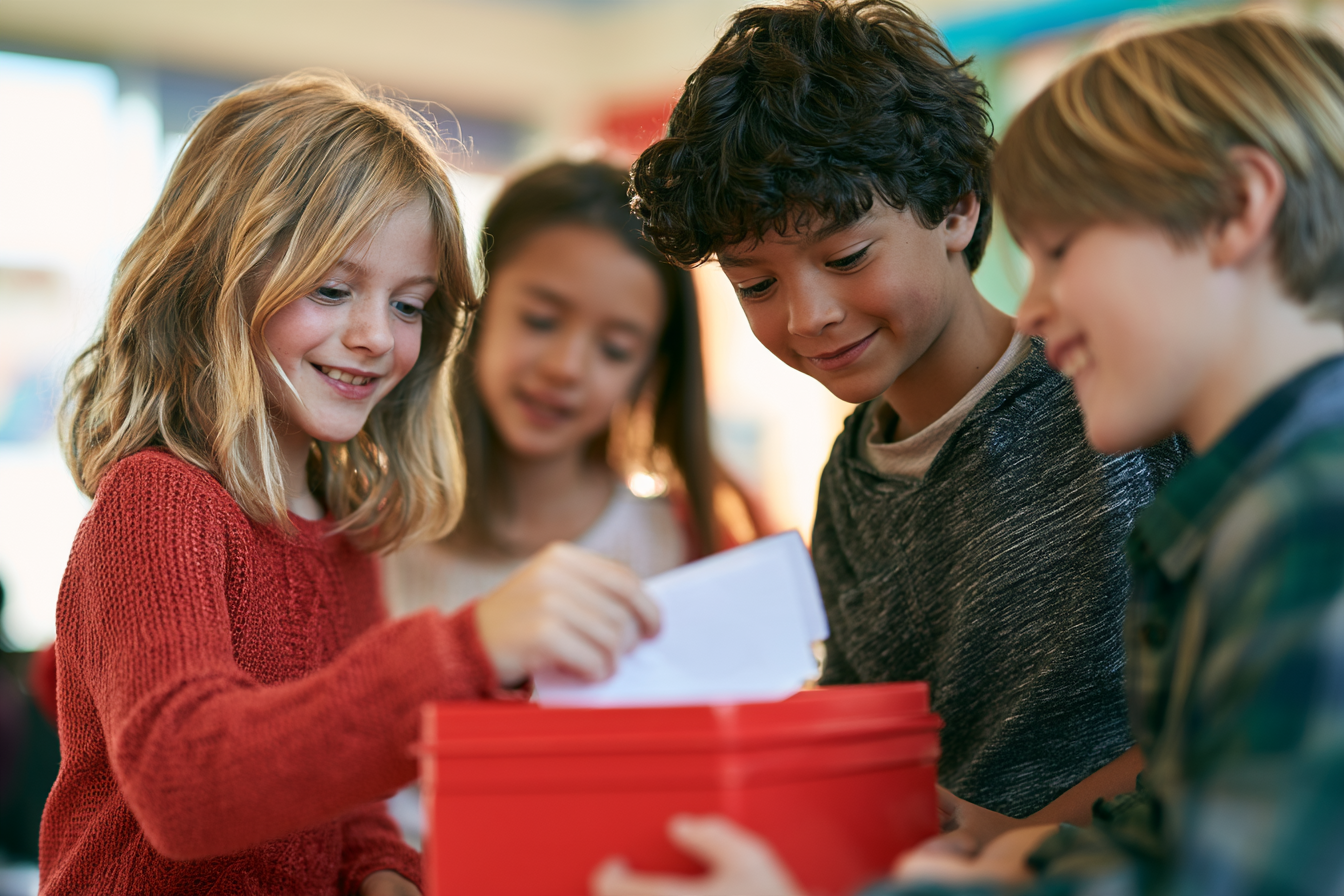
Focus: Create a meaningful time capsule for future students through informative writing, historical thinking, artifact selection, and prediction. Students examine how objects, photographs, letters, and other sources reveal information about life in the past, document important features of their own world, write a detailed letter to future readers, select or create a symbolic artifact, and make evidence-based predictions about what may change or remain the same over time.
Grade Level: 3–5
Subject Area: ELA (Informative Writing • Audience & Purpose • Speaking & Listening) • Social Studies (History • Change & Continuity • Historical Sources)
Total Unit Duration: 1 core session, 50–60 minutes, with 2 optional extension sessions of 50–60 minutes each
I. Introduction
Imagine that students walk into their classroom 25, 50, or even 100 years from now and discover a sealed container labeled with today's date. Inside are letters, drawings, photographs, lists, school memories, predictions, and objects selected by students who once sat in the same classrooms. What would those future students learn about life today? What details would surprise them? Which parts of school, technology, entertainment, family life, and the community might still seem familiar?
A time capsule turns students into both writers and historical source creators. Historians learn about earlier periods by examining evidence people left behind, including letters, photographs, newspapers, diaries, advertisements, tools, clothing, and everyday objects. Students can use the same thinking in reverse: instead of interpreting evidence from the past, they decide what evidence they should leave behind to help someone in the future understand the present.
In Time Capsule Writers, students first analyze how historical sources reveal clues about everyday life. They then document their own time through a carefully written letter to future students, an artifact or representation with an explanation, and predictions about what they believe will change or remain the same. The final product emphasizes meaningful writing and historical thinking rather than simply collecting random objects.
Essential Questions
- How can letters, objects, photographs, and other artifacts teach us about people who lived in another time?
- What information about everyday life today would be most useful to people in the future?
- How is life today similar to and different from life during an earlier historical period?
- How does a writer change information based on audience and purpose?
- What makes an object or image historically meaningful?
- How can we make reasonable predictions about the future using evidence from the present?
- What parts of life are likely to change, and what might remain the same?
- If future students could learn only a few things about us, what should we choose to preserve?
II. Objectives and Standards
Learning Objectives — Students will be able to:
- Explain how primary sources and artifacts can provide evidence about everyday life in a particular time period.
- Compare at least one feature of life in a historical period with life today.
- Identify important characteristics of present-day life that future students might want to understand.
- Write an organized informative letter describing school, technology, entertainment, community life, routines, interests, or other features of the present.
- Adapt writing to a specific audience and purpose by explaining unfamiliar details clearly to future readers.
- Select or create a meaningful artifact representing life today.
- Write an artifact explanation describing what the item represents and why it belongs in the time capsule.
- Make reasonable predictions about the future and support those predictions with observations or evidence from the present.
- Present a time-capsule contribution clearly using appropriate facts and descriptive details.
- Reflect on change and continuity by identifying what may change over time and what may remain important to people.
Standards Alignment — Grades 3–5
- CCSS.ELA-LITERACY.W.3.2 / W.4.2 / W.5.2 — Informative/Explanatory Writing
- Write informative/explanatory texts that examine a topic and convey ideas and information clearly.
- Students write letters and artifact explanations that communicate accurate, organized details about life in the present.
- CCSS.ELA-LITERACY.W.3.4 / W.4.4 / W.5.4 — Production and Distribution of Writing
- Produce writing appropriate to task and purpose, with grade-appropriate expectations for development and organization.
- Students intentionally write for an unusual audience: students who may read their work many years in the future.
- CCSS.ELA-LITERACY.SL.3.4 / SL.4.4 / SL.5.4 — Speaking & Listening
- Report on a topic or text using appropriate facts, details, organization, and clear speaking.
- Students present and explain their time-capsule artifacts, letters, and predictions.
- D2.His.2.3-5 — C3 Framework: History
- Compare life in specific historical time periods to life today.
- Students analyze evidence from an earlier period, compare aspects of that life with their own experiences, and consider how future historians might similarly interpret evidence students leave behind.
Success Criteria — Student Language
- I can explain what an artifact or historical source can teach us about people from another time.
- I can describe something that is different between life in the past and life today.
- I can choose important details that would help future students understand my world.
- I can write a clear letter with an introduction, organized information, details, and conclusion.
- I can think about what a future reader might not understand and explain it.
- I can select or create an artifact that represents something meaningful about life today.
- I can explain why my artifact belongs in the time capsule.
- I can make a prediction about the future and give a reason for it.
- I can explain something I think will change and something I think may stay the same.
- I can present my time-capsule contribution clearly to others.