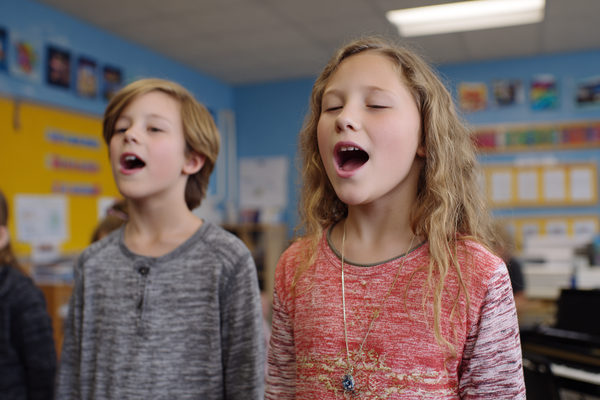
Paid-members only Grade 5 Music Units Unit Plan 21 (Grade 5 Music): Expressive Listening Grade 5 music: analyze expression (tempo, dynamics, articulation, timbre, phrasing) to explain mood/meaning, comparing performances and citing evidence.
Paid-members only Grade 5 Music Units Unit Plan 20 (Grade 5 Music): Music Preferences & Evaluation Grade 5 music: evaluate excerpts with criteria and evidence, linking preferences to melody, rhythm, dynamics, timbre, and context.
Paid-members only Grade 5 Music Units Unit Plan 19 (Grade 5 Music): Musical Form & Structure Grade 5 general music unit: identify and explain musical forms (ABA, rondo/ABACA, theme and variation), map repeated vs. contrasting sections, and describe how form and structure shape listening responses and performance choices.
Paid-members only Grade 5 Music Units Unit Plan 18 (Grade 5 Music): Melodic Performance Grade 5 general music unit: perform short songs or instrumental melodies with accurate pitch/rhythm, expressive dynamics/tempo/articulation, appropriate style, and strong performance decorum and audience etiquette.
Paid-members only Grade 5 Music Units Unit Plan 17 (Grade 5 Music): Revising Musical Ideas Grade 5 music: revise rhythms, melodies, or accompaniments using clear criteria and teacher/peer feedback, document before-and-after changes, and explain what improved and why.
Paid-members only Grade 5 Music Units Unit Plan 16 (Grade 5 Music): Selecting Music for Purpose Grade 5 music: choose and justify performance music for specific audiences and events, considering style, mood, length, difficulty, and performer skills, plus personal interests.
Paid-members only Grade 5 Music Units Unit Plan 15 (Grade 5 Music): Expressive Singing & Playing Grade 5 music: rehearse and perform a short melody using dynamics, tempo, timbre, and articulation to show expressive intent, explaining choices and tracking improvement with rehearsal strategies.
Paid-members only Grade 5 Music Units Unit Plan 14 (Grade 5 Music): Notating Melodic Ideas Grade 5 music: document original melodies with clear notation and/or recordings so others can read, remember, and perform them accurately, revising for clarity and shareability.
Paid-members only 3-5 Lesson Plans Lesson Plan (Grades 3-5): Code-Your-Own Coordinate Art - An In-Depth Grades 3–5 STEM & Math Unit Code-Your-Own Coordinate Art for grades 3–5 blends coordinate plotting and coding by creating pixel art with ordered-pair “scripts,” decoding peers’ designs, debugging errors, and showcasing a final gallery.
Paid-members only Grade 5 Music Units Unit Plan 13 (Grade 5 Music): Melodic Improvisation Grade 5 music: improvise melodies that express a chosen mood or scene using limited pitch sets and rhythms, then explain how your musical choices fit the purpose and context.
Paid-members only Grade 5 Music Units Unit Plan 12 (Grade 5 Music): Chords & Simple Harmony Grade 5 music: create simple chord accompaniments for familiar melodies, choosing I/IV/V patterns and textures that fit a purpose or context, then explain your harmony choices.
Paid-members only Grade 5 Music Units Unit Plan 11 (Grade 5 Music): Major & Minor Tonality Grade 5 music: create major/minor melodies, use dynamics/tempo/articulation, and explain how tonality shapes mood and meaning.
Paid-members only Grade 5 Music Units Unit Plan 10 (Grade 5 Music): Melodic Direction & Contour Grade 5 melodic contour unit: students analyze and perform melodies by tracking pitch direction, contour, and phrase shape, then explain—using musical evidence—how melodic structure influences meaning, expression, and listener response.
Paid-members only Grade 5 Music Units Unit Plan 9 (Grade 5 Music): Rhythm Performance & Etiquette Grade 5 rhythm performance unit: play rhythm pieces with steady accuracy, expressive interpretation, and proper performer decorum plus respectful audience etiquette for any venue.
Paid-members only Grade 5 Music Units Unit Plan 8 (Grade 5 Music): Rhythm Ensemble Rehearsal Refine Grade 5 rhythmic ensemble skills with criteria-based rehearsal, peer/teacher feedback, and progress tracking to improve accuracy, coordination, and expressive performance over time.
Paid-members only Grade 5 Music Units Unit Plan 7 (Grade 5 Music): Expressive Rhythm Explore how Grade 5 students use dynamics, tempo, and articulation to transform the same rhythm into different moods, justify interpretive choices, and explain how expression shapes listener response.
Paid-members only Grade 5 Music Units Unit Plan 6 (Grade 5 Music): Notating Rhythm & Harmony Document Grade 5 rhythm + simple harmony ideas using notation/recording so students can share, replay, and perform patterns accurately with clear directions and chord/drone support.
Paid-members only Grade 5 Music Units Unit Plan 5 (Grade 5 Music): Rhythm Improvisation Create Grade 5 rhythm improvisations for real events, then refine the best ideas into clear 1–2 measure patterns that match purpose, audience, and context using musical evidence.
Paid-members only Grade 5 Music Units Unit Plan 4 (Grade 5 Music): Rhythm in Context Explore how Grade 5 rhythm and tempo reveal a song’s style and purpose, using cultural/historical context to guide performance choices and explain listener responses with evidence.
Paid-members only Grade 5 Music Units Unit Plan 3 (Grade 5 Music): Reading Rhythm Patterns Read and perform Grade 5 rhythm patterns from standard notation using counting/syllables and chunking, building confident, accurate clapping, speaking, and playing in common meters.
Paid-members only Grade 5 Music Units Unit Plan 2 (Grade 5 Music): Steady Beat & Complex Meter Grade 5 students review steady beat and explore simple vs. compound meter through movement, clapping, instruments, and listening—using musical evidence to explain how beat groupings shape feelings, responses, and performance choices.
Grade 5 Music Units Unit Plan 1 (Grade 5 Music): Music Routines & Listening Grade 5 students build music routines, listening focus, and performance habits while connecting personal interests and experiences to music they hear and perform.
The Admin Angle The Admin Angle: Why Principals Should Stop Chasing Perfect Fidelity and Start Measuring Impact Principals should shift from checklist fidelity to outcome-based leadership—measuring student learning, honoring teacher judgment, and leading for impact.
Blog Culturally Responsive Math Talks: Bridging Achievement Gaps Through Story Problems Use culturally responsive Math Talks to embed familiar contexts in story problems, boost discourse, support language development, and close math gaps.
Parent Tips Parent Tips: Solving Transitions—Lining Up, Switching Tasks, and Pack-Up Pain End transition meltdowns with a shared school-home system using visual schedules, first–then boards, countdowns, micro-steps, and quick rehearsals.