Unit Plan 2 (Grade 1 Art): Drawing from Stories
Grade 1 students turn read-aloud stories into expressive drawings, using characters, settings, and events to spark imagination and explain story-inspired art ideas.

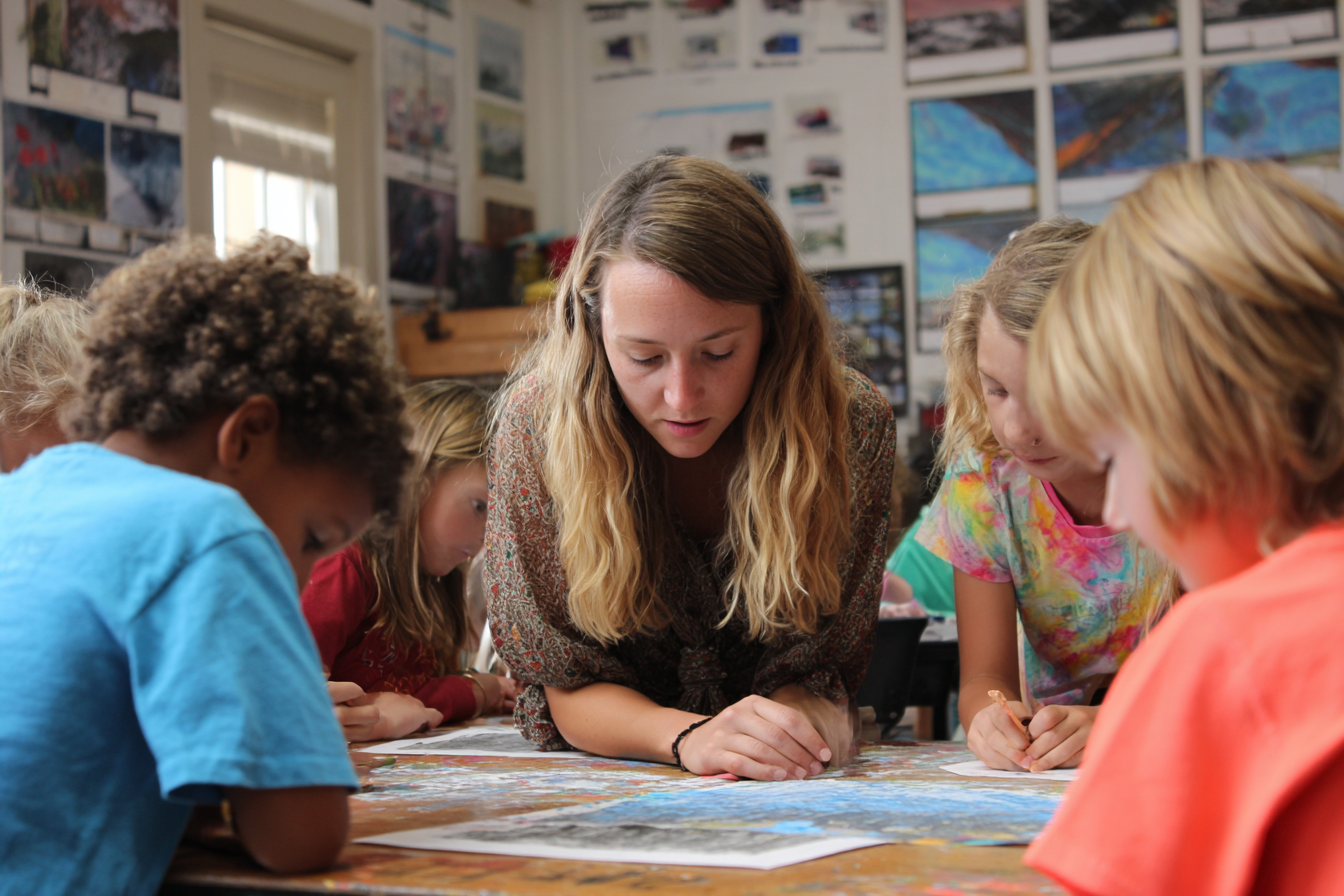
Focus: Generate art ideas from a read-aloud story, using imagination and story details to create expressive drawings.
Grade Level: 1
Subject Area: Art (Visual Arts • Creating)
Total Unit Duration: 1–3 weeks, 45–60 minutes per session
I. Introduction
In this unit, first graders become “story artists” who listen to a read-aloud and then turn words into pictures. After hearing a story, students think about the characters, setting, and events and imagine how they look, sound, and feel. They learn that artists can use stories as a rich source of art ideas, combining details from the book with their own imagination and experiences. By the end of the unit, students can describe how a picture they drew was inspired by the story and which parts came from their own ideas.
Essential Questions
- How do stories give artists ideas for their artwork?
- What can we show from a story—characters, places, and events—through pictures?
- How can I use both the story details and my imagination in my drawing?
- How can I use simple words to explain how my artwork is connected to a story?
II. Objectives and Standards
Learning Objectives — Students will be able to:
- Listen to a read-aloud story and notice important characters, settings, and events.
- Generate at least one art idea based on the story (a favorite part, a character, or a setting).
- Create a drawing that shows something from the story, using story details and imagination.
- Use simple sentence starters to explain how their artwork is connected to the story.
- Share their drawings with classmates and listen to others’ story-inspired ideas.
Standards Alignment — 1st Grade (NCAS-Aligned)
- VA:Cr1.1a — Generate artistic ideas based on imagination, stories, and personal experiences.
- Example: Students draw a picture of an imaginary animal.
Success Criteria — Student Language
- I can listen to a story and think of art ideas from it.
- I can draw a picture that shows a part of the story (character, place, or event).
- I can add details from the story and from my own imagination.
- I can tell a partner which story I drew and what is happening in my picture.
- I can listen to my classmates’ story drawings and respond with kind words.