Unit Plan 25 (Grade 1 Music): Call & Response Songs
Grade 1 music unit where students sing call-and-response and echo songs accurately, use rehearsal strategies, and begin creating short vocal patterns.

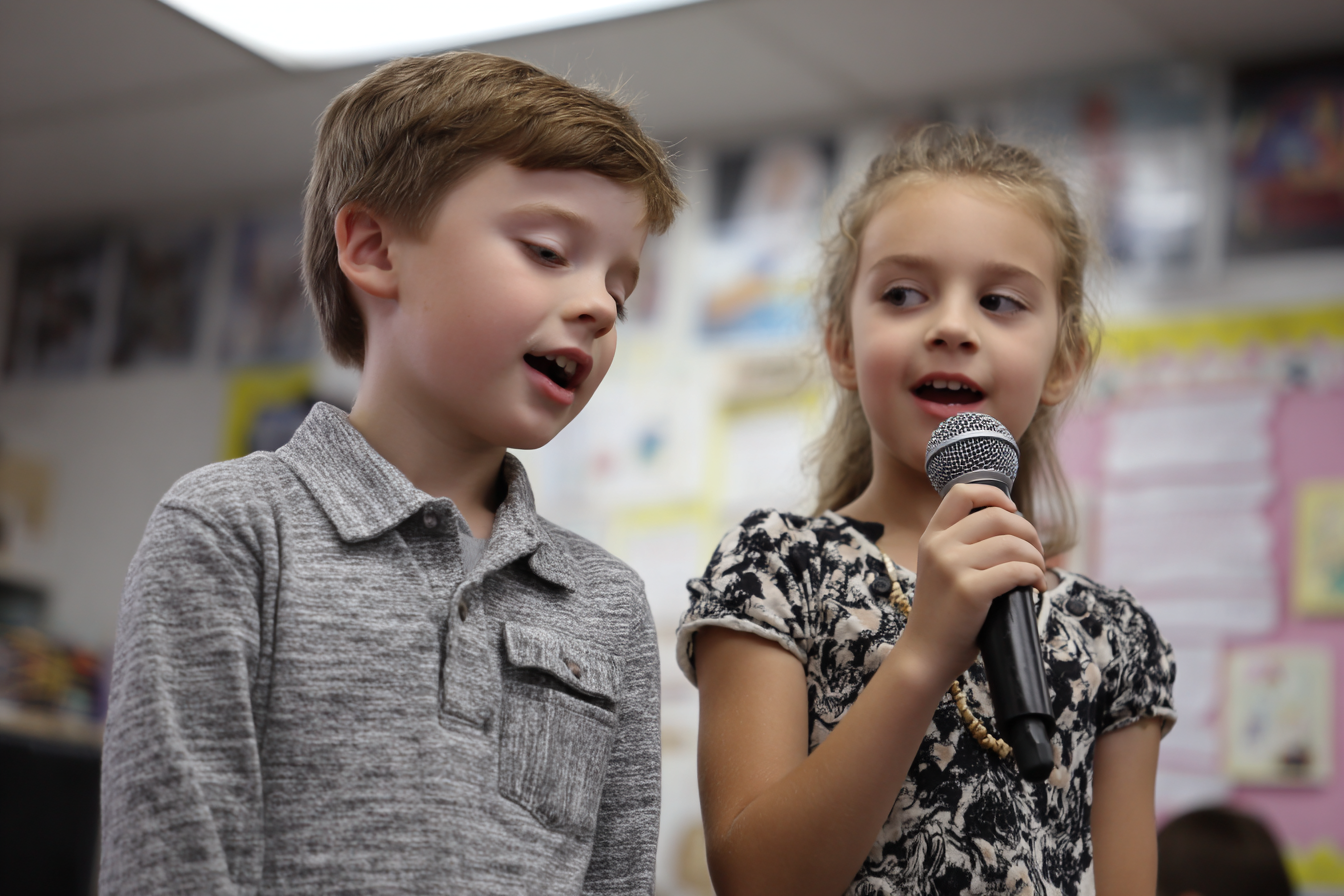
Focus: Sing call-and-response and echo songs accurately while using simple rehearsal strategies and beginning to create short vocal ideas.
Grade Level: 1
Subject Area: Music (Performing • Creating)
Total Unit Duration: 2–4 sessions (2+ weeks), 20–30 minutes per session
I. Introduction
In this unit, students learn how call-and-response and echo songs work by listening to a leader sing or speak a short pattern and then responding together. They practice using their singing voices, matching pitch and rhythm, and following clear start/stop cues. Students also use simple rehearsal strategies (like slowing down or clapping first) and begin to improvise their own short calls for the class to echo, building confidence in both listening and creating.
Essential Questions
- What is a call and what is a response in music?
- How can I use my singing voice to match the pitch and rhythm I hear?
- What rehearsal strategies help us fix tricky spots in call-and-response songs?
- How can I create my own short rhythmic or melodic ideas for others to echo?
II. Objectives and Standards
Learning Objectives — Students will be able to:
- Sing simple call-and-response and echo songs with mostly accurate pitch and steady beat.
- Use at least one rehearsal strategy (e.g., clap first, slow it down, listen first) to improve a tricky pattern.
- With limited guidance, improvise short rhythmic or melodic patterns as a “call” for classmates to echo.
- Follow the leader/audience roles in call-and-response (knowing when to sing and when to listen).
- Explain in simple language how practicing and trying again can make our call-and-response songs stronger.
Standards Alignment — Grade 1 Music (NAfME-Aligned)
- MU:Pr5.1.1b — With limited guidance, use suggested strategies in rehearsal to address interpretive challenges of music.
- Example: Slowing down a tricky section to improve accuracy.
- MU:Cr1.1.1a — With limited guidance, improvise rhythmic and melodic patterns and ideas.
- Example: Students improvise short rhythm patterns using claps or drums.
Success Criteria — Student Language
- I can tell the difference between the call and the response in a song.
- I can echo short patterns with a steady beat and mostly correct pitch.
- I can try a strategy (like clapping or slowing down) when a pattern is tricky.
- I can make up a short rhythm or melody for my class to echo.
- I can explain how practicing helped our call-and-response song sound better.