Unit Plan 24 (Grade 1 Music): Cultural Movement
Grade 1 music unit where students move to music from different cultures, showing beat, high/low melodic shape, and mood through simple, respectful movement.

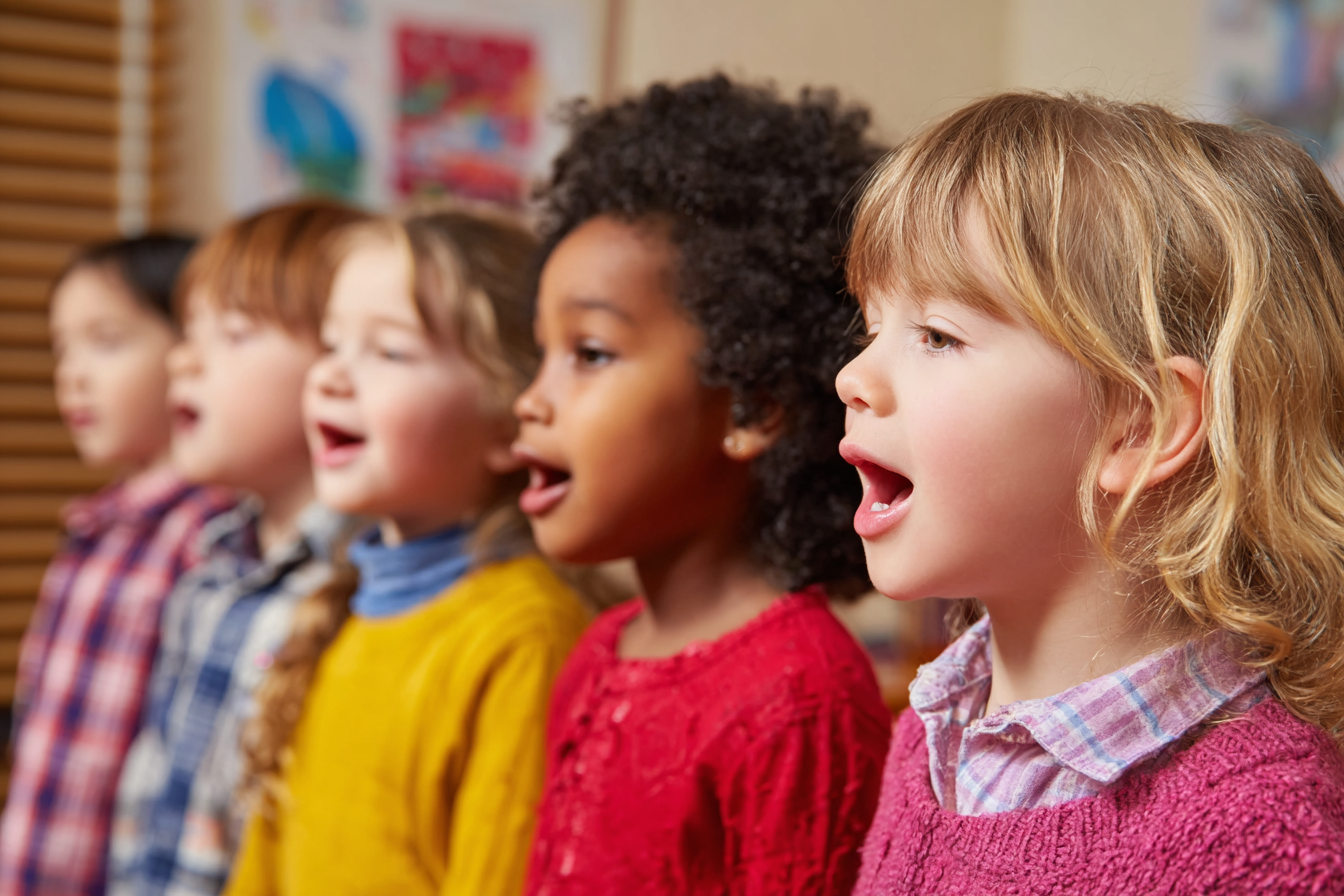
Focus: Move to music from different places and styles using simple, respectful motions that show understanding of beat, melodic contour, and mood.
Grade Level: 1
Subject Area: Music (Performing • Connecting)
Total Unit Duration: 2–4 sessions (2+ weeks), 20–30 minutes per session
I. Introduction
In this unit, students explore how music from different places and styles can make our bodies want to move in different ways. They practice keeping a steady beat and following melodic contour (high/low shapes) while listening to songs and pieces from a variety of cultures. Students use simple, respectful movements (stepping, clapping, swaying, gestures) to show what they hear and learn that music, movement, and daily life are connected around the world.
Essential Questions
- How does music from different places make my body want to move?
- How can I use my movement to show the beat and shape (high/low) of music?
- How is movement connected to music, stories, and celebrations in different cultures?
- How can we move in ways that are respectful to the people and cultures the music comes from?
II. Objectives and Standards
Learning Objectives — Students will be able to:
- With limited guidance, move to music from different cultures while keeping a steady beat.
- Show simple melodic contour (high/low, up/down) with hand and body movements that match the music.
- Describe how a piece of music from another culture might connect to dance, storytelling, or a special event in daily life.
- Create a short, simple movement pattern that fits the beat and mood of a world music example.
- Explain in basic language why they chose certain movements to go with a song from another place.
Standards Alignment — Grade 1 Music (NAfME-Aligned)
- MU:Pr4.2.1a — With limited guidance, demonstrate knowledge of music concepts (such as beat and melodic contour) in music from a variety of cultures selected for performance.
- Example: Keeping a steady beat while singing a folk song from another culture.
- MU:Cn11.0.1a — Demonstrate understanding of relationships between music and the other arts, other disciplines, varied contexts, and daily life.
- Example: Connecting music to storytelling, movement, or visual art.
Success Criteria — Student Language
- I can move to music from different places and keep the beat.
- I can show high and low sounds with my hands or whole body.
- I can say how the music might go with a dance, story, or celebration.
- I can make a simple movement pattern that fits what I hear.
- I can explain why my movement matches the music and its feeling.