Unit Plan 2 (Grade 1 PE): Run, Stop, and Go
Teach Grade 1 students to start, stop, change speed, and move safely using fun signal-based games that build control, listening skills, and active participation in PE.

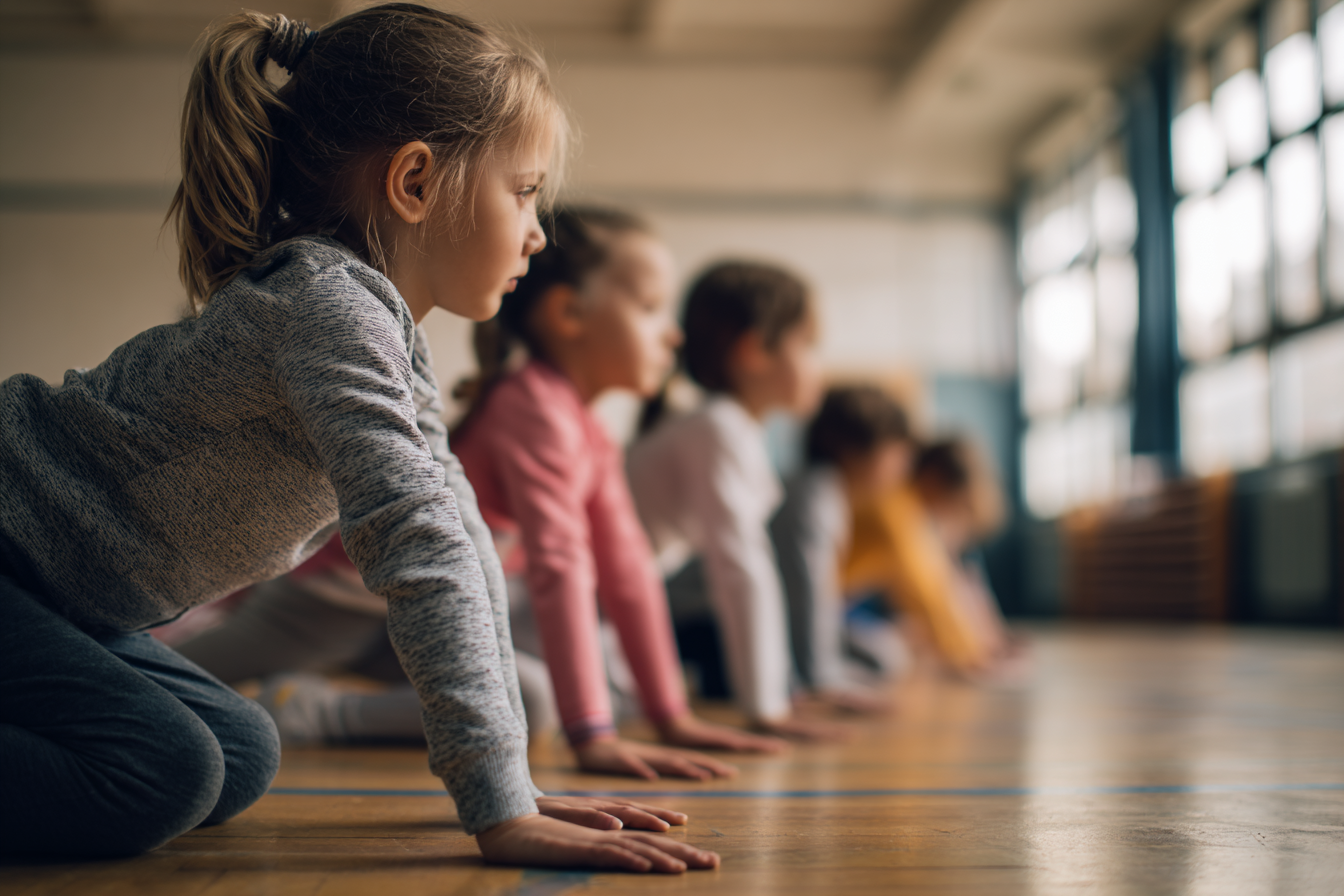
Focus: Help students practice starting, stopping, changing speed, and changing direction safely while responding to simple teacher signals in playful movement games.
Grade Level: 1
Subject Area: Physical Education (Locomotor Skills • Movement Concepts • Active Participation)
Total Unit Duration: 1 core session + 3 optional sessions (1–2 weeks), 20–30 minutes per session
I. Introduction
Students build early movement control by learning how to start quickly, stop safely, and adjust their speed and direction during active games. This unit uses simple signal-based activities to help students understand that running in PE is not only about going fast. It is also about listening, responding, and controlling the body in shared space. Through Red Light, Green Light and a fun Traffic Jam game, students practice walking, jogging, freezing, slowing down, speeding up, and reversing direction while following teacher cues. The goal is to help students become more confident movers who can listen, react, and stay safe while being active.
Essential Questions
- How can I start and stop my body safely in PE?
- What does it mean to move fast, slow, or in a different direction?
- How do teacher signals help movement games stay safe and fun?
- How can I stay active while also staying in control?
II. Objectives and Standards
Learning Objectives — Students will be able to:
- Perform basic locomotor movement, especially walking and running/jogging, with improving control.
- Apply movement concepts such as speed, direction, and pathways during signal-based games.
- Follow simple teacher instructions and stop/start cues during physical activity.
- Participate actively in movement games for much of class time.
Standards Alignment — 1st Grade (SHAPE America-based custom)
- PE:S1.1a Perform basic locomotor skills (run, hop, gallop, slide, leap, and jump) with improved control and coordination.
- Example: Students travel across the gym using different locomotor movements in response to teacher cues.
- PE:S2.1a Apply movement concepts such as speed, direction, levels, and pathways during activities.
- Example: Students move quickly in straight pathways and slowly in curved pathways during a game.
- PE:S2.1c Follow simple instructions and signals during physical activities.
- Example: Students stop moving when a whistle blows or freeze when music stops.
- PE:S3.1a Participate actively in moderate-to-vigorous physical activities during class.
- Example: Students engage in running, jumping, and movement games for sustained periods.
Success Criteria — Student Language
- I can walk, jog, and stop when the teacher gives a signal.
- I can move fast or slow when I hear the right cue.
- I can change direction and follow pathways safely.
- I can stay active and listen during PE games.