Unit Plan 25 (Grade 1 Science): Earth’s Pattern Stories
Grade 1 science unit uses storytelling and diagrams to explain sun, moon, and star patterns, connecting daylight changes to seasons using data.

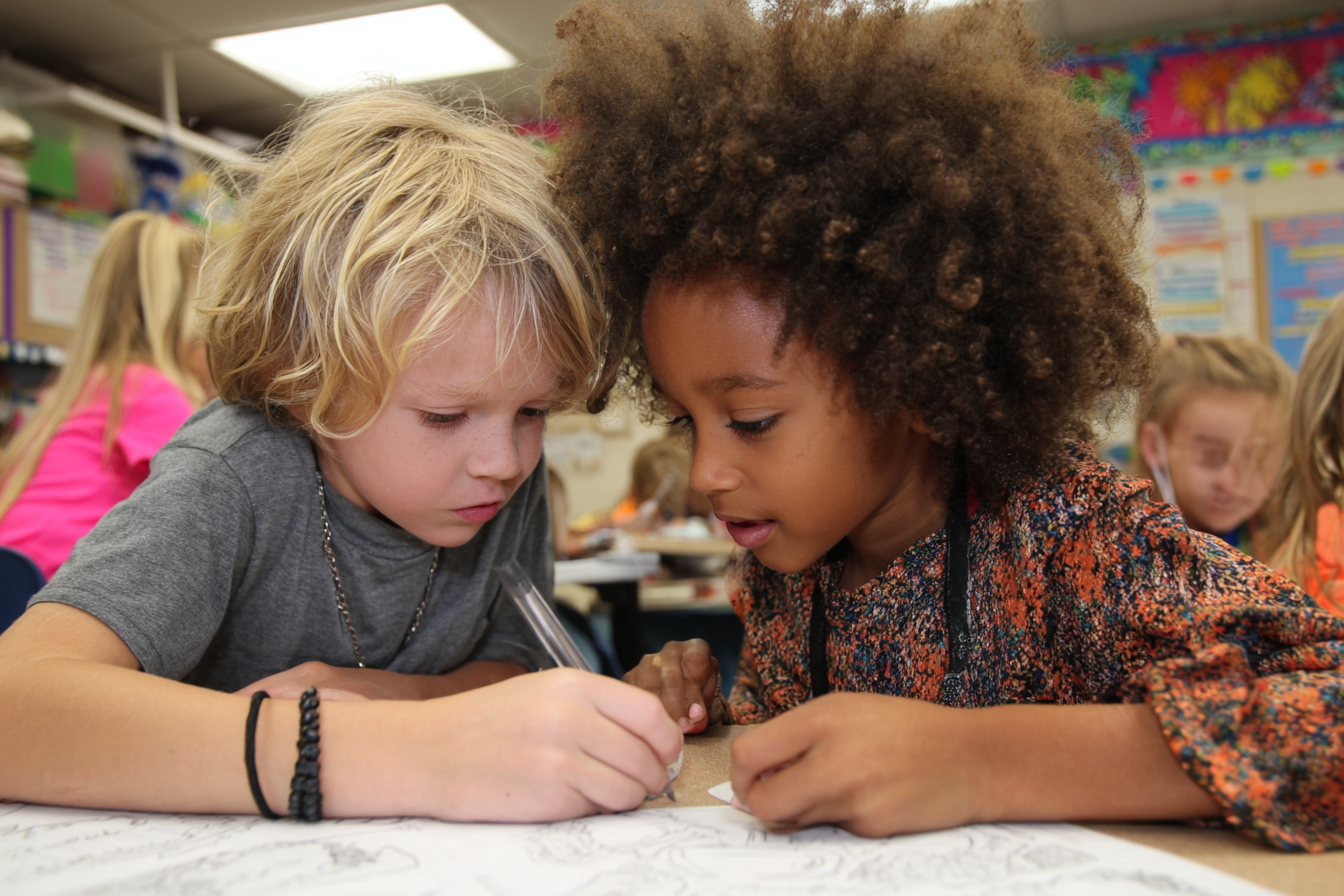
Focus: Use storytelling and diagrams to explain predictable sky patterns (sun, moon, stars) and connect daylight changes to the time of year using observations and simple data.
Grade Level: 1
Subject Area: Science (Earth & Space Science • Patterns • Science Communication)
Total Unit Duration: 5 sessions (one week), 30–45 minutes per session
I. Introduction
In this unit, students become pattern storytellers—young scientists who use both observations and imagination to explain real, predictable changes in the sky. They revisit what they’ve observed about the sun, moon, and stars and learn to describe patterns that can be predicted, such as the sun appearing in different parts of the sky during the day and the moon looking different over time. Students also examine how the amount of daylight changes at different times of year and how those changes connect to seasons.
Throughout the week, students practice three key science skills: observe, represent, and explain. They observe using simple routines (sky journals, picture-based logs), represent patterns with diagrams (sun-path arcs, moon-shape sequences, daylight bars), and explain what they notice through short pattern stories that include scientific vocabulary. The unit ends with an Earth’s Pattern Storybook/Poster that combines a diagram, a pattern statement, and a prediction supported by evidence.
Essential Questions
- What patterns can we observe in the sun, moon, and stars that can be predicted?
- How can a diagram help explain a sky pattern more clearly than words alone?
- How does the amount of daylight change at different times of year?
- How can we use evidence from observations to tell a strong science story?
- How can patterns help us make a prediction about what we will observe next?
II. Objectives and Standards
Learning Objectives — Students will be able to:
- Use observations of the sun, moon, and stars to describe sky patterns that can be predicted (1-ESS1-1).
- Create and interpret simple diagrams (sun path, moon sequence, star pattern) that represent observed patterns (1-ESS1-1).
- Make observations at different times of year (or use provided seasonal data) to relate the amount of daylight to the time of year (1-ESS1-2).
- Organize daylight or sky observations into a simple table or class chart and describe the pattern in student-friendly language (1-ESS1-2).
- Use the words pattern, predict, and evidence to make a prediction about a sky change (e.g., “tomorrow’s sun position,” “a future moon shape,” “longer/shorter daylight”) and support it with evidence (1-ESS1-1–2).
- Create an Earth’s Pattern Storybook/Poster that combines a diagram, a pattern statement, and a prediction supported by observations/data (1-ESS1-1–2).
Standards Alignment — Grade 1 (NGSS-Aligned)
- 1-ESS1-1 — Use observations of the sun, moon, and stars to describe patterns that can be predicted.
- Example: Draw and explain a simple pattern chart showing what is seen in the sky and what is expected next.
- 1-ESS1-2 — Make observations at different times of year to relate the amount of daylight to the time of year.
- Example: Compare “more daylight” vs. “less daylight” seasons using a class chart or picture-based data.
Success Criteria — Student Language
- I can describe a pattern I notice in the sky (sun, moon, or stars).
- I can draw a diagram that matches my observations.
- I can explain how daylight changes during different times of year.
- I can make a prediction about what I might observe next and say “because” using evidence.
- I can tell a clear science story that includes words like pattern, predict, and evidence.