Unit Plan 25 (Grade 2 Counselor): Empathy and Including Others
Teach Grade 2 empathy and inclusion with scenarios, kind phrases, sharing, turn-taking, and role-offering to help every student belong.

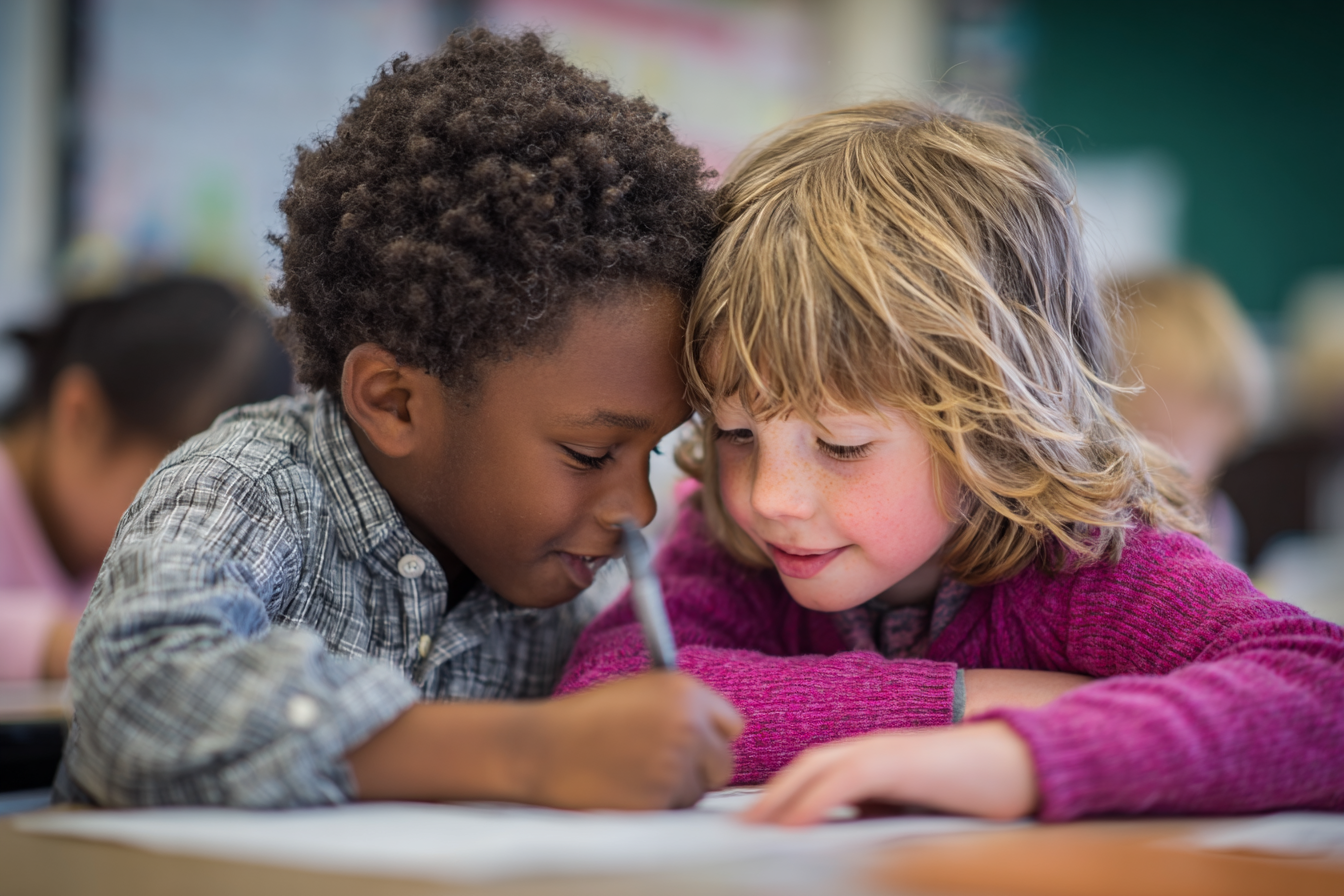
Focus: Help students notice when someone may feel excluded, lonely, embarrassed, or left out. The counselor uses scenarios from recess, lunch, group work, or games to help students identify how a person might feel and what a kind classmate could do. Students practice inviting, encouraging, sharing, and offering a role in a group activity.
Grade Level: 2
Subject Area: School Counseling (Empathy • Inclusion • Cooperation)
Total Unit Duration: 1–2 weeks, 30 minutes per session
I. Introduction
This Grade 2 counseling lesson helps students understand that empathy includes noticing when someone may feel excluded, lonely, embarrassed, or left out and choosing a kind response. Students learn that classmates may need support during recess, lunch, group work, partner activities, games, or classroom routines. The counselor emphasizes that small actions, such as inviting someone to join, offering a role, sharing materials, or encouraging a classmate, can help others feel safe, included, and valued.
Students practice identifying how someone might feel in realistic school situations and then choose words or actions that show care. They also connect inclusion to cooperation by practicing sharing, waiting, taking turns, and helping the group succeed. The goal is for students to understand that empathy becomes stronger when students turn kind thoughts into kind actions.
Essential Questions
- How can students notice when someone may feel excluded, lonely, embarrassed, or left out?
- What words and actions help classmates feel included and valued?
- How can students show kindness and empathy during recess, lunch, group work, or games?
- How do sharing, taking turns, and offering roles help a group succeed?
- Why does inclusion make the classroom community stronger?
II. Objectives and Standards
Learning Objectives — Students will be able to:
- Identify how a classmate may feel when they are excluded, lonely, embarrassed, ignored, or left out.
- Choose kind words and actions that show empathy and care.
- Explain how words, actions, and choices can help classmates feel safe, included, and valued.
- Practice inclusive actions such as inviting, encouraging, sharing, offering a role, and making room in a group.
- Connect cooperation skills, such as sharing, waiting, taking turns, and helping the group succeed, to inclusion.
- (Optional Session) Apply empathy and inclusion skills through scenario sorting, role-play, or a group belonging challenge.
Standards Alignment — Grade 2 (ASCA-based Custom)
- C:S1.2c — Contribute to Classroom and School Belonging
- Recognize that their words, actions, and choices can help others feel safe, included, and valued.
- Example: A student invites a classmate to join a group activity and says, “You can work with us.”
- C:S3.2a — Show Kindness and Empathy
- Use words and actions that show care for others’ feelings and experiences.
- Example: A student notices a classmate looks sad and says, “Are you okay? Do you want to sit with me?”
- C:S3.2b — Cooperate, Share, and Take Turns
- Work and play cooperatively by sharing materials, waiting, taking turns, and helping the group succeed.
- Example: A student says, “Let’s both have a turn,” during a partner activity.
Success Criteria — Student Language
- I can notice when someone may feel left out.
- I can choose kind words or actions to include someone.
- I can help classmates feel safe, included, and valued.
- I can share, wait, take turns, and help the group succeed.
- I can offer a role or invite someone into an activity.