Unit Plan 32 (Grade 2 Counselor): Friendship and Empathy Review
Review Grade 2 friendship skills with empathy, cooperation, turn-taking, listening, inclusion, and repair through games, role-play, and reflection.

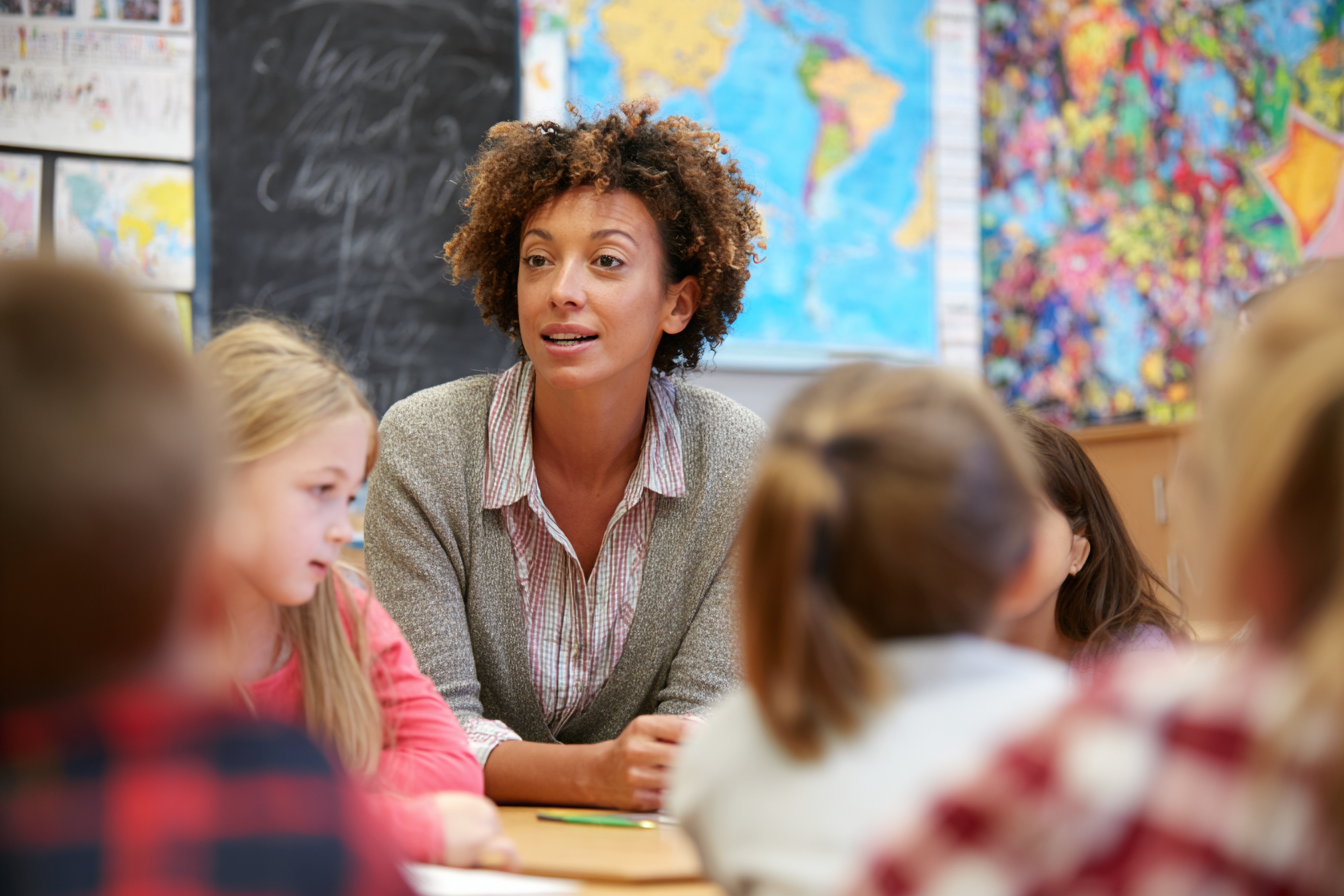
Focus: Review kindness, empathy, cooperation, turn-taking, listening, inclusion, and friendship repair. The counselor uses role-play cards, a friendship board game, or a group chart to help students name and practice strong friendship behaviors. Students reflect on one friendship skill they use well and one they still want to strengthen.
Grade Level: 2
Subject Area: School Counseling (Friendship Skills • Empathy • Cooperation)
Total Unit Duration: 1–2 weeks, 30 minutes per session
I. Introduction
This Grade 2 counseling lesson gives students a positive review of the friendship and empathy skills they have practiced throughout the year. Students revisit kindness, empathy, cooperation, sharing, turn-taking, respectful listening, inclusion, and friendship repair. The counselor emphasizes that strong friendships are built through repeated choices, not just one nice action.
Students practice identifying what good friendship skills sound like and look like in common Grade 2 situations, such as joining a game, sharing materials, solving a disagreement, listening to a classmate’s feelings, inviting someone into a group, or apologizing after a mistake. Students then reflect on one friendship skill they already use well and one friendship skill they want to keep strengthening.
Essential Questions
- What friendship skills help classmates feel cared for and included?
- How can students show kindness and empathy?
- How do cooperation, sharing, and turn-taking help groups succeed?
- What does respectful listening sound like?
- How can students repair a friendship after a mistake or conflict?
II. Objectives and Standards
Learning Objectives — Students will be able to:
- Identify words and actions that show kindness and empathy.
- Recognize how classmates may feel in friendship, group work, recess, lunch, or classroom situations.
- Practice cooperation skills such as sharing, waiting, taking turns, offering roles, and helping the group succeed.
- Listen to others’ ideas and feelings and respond in a respectful, connected way.
- Review inclusive actions such as inviting, encouraging, making room, and helping classmates feel valued.
- Reflect on one friendship skill they use well and one friendship skill they want to strengthen.
- (Optional Session) Apply friendship review skills through role-play, a friendship board game, partner scripts, or a group chart.
Standards Alignment — Grade 2 (ASCA-based Custom)
- C:S3.2a — Show Kindness and Empathy
- Use words and actions that show care for others’ feelings and experiences.
- Example: A student notices a classmate looks sad and says, “Are you okay? Do you want to sit with me?”
- C:S3.2b — Cooperate, Share, and Take Turns
- Work and play cooperatively by sharing materials, waiting, taking turns, and helping the group succeed.
- Example: A student says, “Let’s both have a turn,” during a partner activity.
- C:S3.2c — Listen and Respond Respectfully
- Listen to others’ ideas and feelings and respond in a respectful, connected way.
- Example: A student says, “I heard you say you felt left out. That would feel hard.”
Success Criteria — Student Language
- I can show kindness and empathy.
- I can share, wait, take turns, and help a group.
- I can listen to someone’s words and feelings.
- I can include classmates and help them feel valued.
- I can name one friendship skill I use well and one I want to practice.