Unit Plan 16 (Grade 2 Counselor): Joining Groups and Including Others
Teach Grade 2 students to join groups respectfully, include classmates, use kind words, make fair plans, and build belonging.

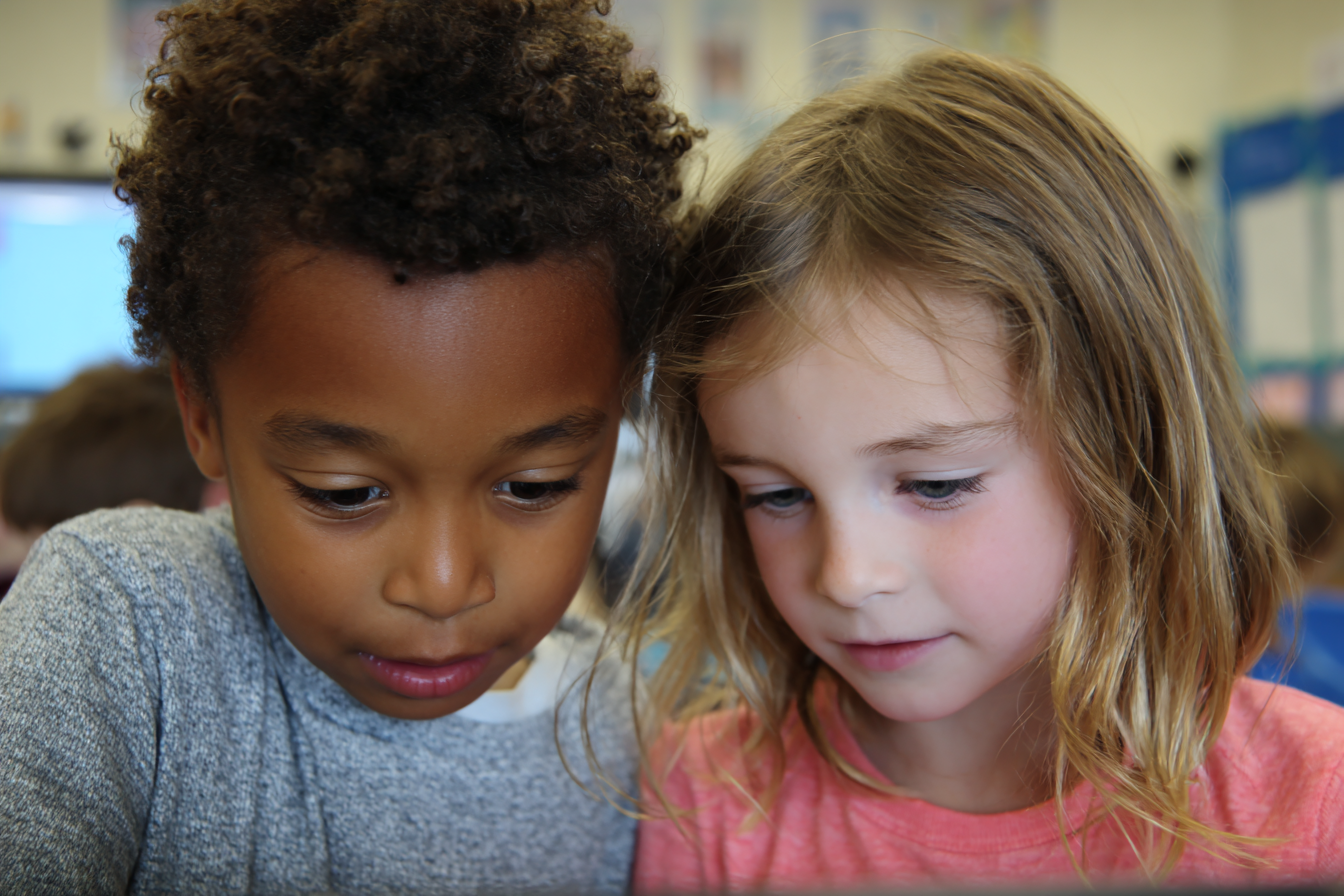
Focus: Teach students how to join play or group work respectfully and how to include classmates who may feel left out. The counselor models phrases for joining, such as “Can I play?” “What are you working on?” and “Can I help?” Students also practice inclusive responses, such as making room, offering a role, or suggesting a fair turn-taking plan.
Grade Level: 2
Subject Area: School Counseling (Inclusion • Friendship Skills • Respectful Communication)
Total Unit Duration: 1–2 weeks, 30 minutes per session
I. Introduction
This Grade 2 counseling lesson helps students practice two important friendship skills: joining a group respectfully and helping others feel included. Students learn that it can feel hard to ask to join a game, partner activity, lunch conversation, or group project. They also learn that classmates can make a big difference by making room, offering a role, listening, and using kind words.
The counselor models joining phrases such as “Can I play?” “What are you working on?” and “Can I help?” Students also practice inclusive responses such as “You can join us,” “You can have this role,” “You can play the next round,” or “Let’s make a fair turn-taking plan.” The goal is for students to use empathy, respectful listening, and safe conflict-resolution skills to build stronger classroom and recess communities.
Essential Questions
- How can students join play, conversations, or group work respectfully?
- How can students include classmates who may feel left out?
- What words help someone feel welcomed into a group?
- How can students listen and respond respectfully when someone asks to join?
- How can fair plans, turn-taking, and adult help support peer conflicts?
II. Objectives and Standards
Learning Objectives — Students will be able to:
- Identify how a student might feel when trying to join a group or when being left out.
- Practice respectful joining phrases such as “Can I play?” “What are you working on?” and “Can I help?”
- Practice inclusive responses such as making room, offering a role, inviting someone in, or suggesting a fair turn-taking plan.
- Listen to classmates’ ideas and feelings and respond in a respectful, connected way.
- Use respectful words, compromise, turn-taking, walking away, or adult help when joining or inclusion problems become conflicts.
- (Optional Session) Apply joining and inclusion skills through role-play, scenario sorting, or a fair-plan practice activity.
Standards Alignment — Grade 2 (ASCA-based Custom)
- C:S3.2a — Show Kindness and Empathy
- Use words and actions that show care for others’ feelings and experiences.
- Example: A student notices a classmate looks sad and says, “Are you okay? Do you want to sit with me?”
- C:S3.2c — Listen and Respond Respectfully
- Listen to others’ ideas and feelings and respond in a respectful, connected way.
- Example: A student says, “I heard you say you felt left out. That would feel hard.”
- C:S4.2c — Resolve Conflicts Safely and Respectfully
- Use respectful words, compromise, turn-taking, walking away, or adult help to solve peer conflict without unsafe behavior.
- Example: A student says, “Please stop. I don’t like that,” and then asks an adult for help if the behavior continues.
Success Criteria — Student Language
- I can ask to join a group respectfully.
- I can include someone who may feel left out.
- I can listen when someone asks to join or shares a feeling.
- I can use kind words and fair plans during group problems.
- I can ask an adult for help if a problem keeps happening or becomes unsafe.