Unit Plan 30 (Grade 2 Counselor): Problem-Solving Practice Stations
Grade 2 counseling lesson with problem-solving stations, conflict role-play, safe solution sorting, reflection, and adult-help practice.

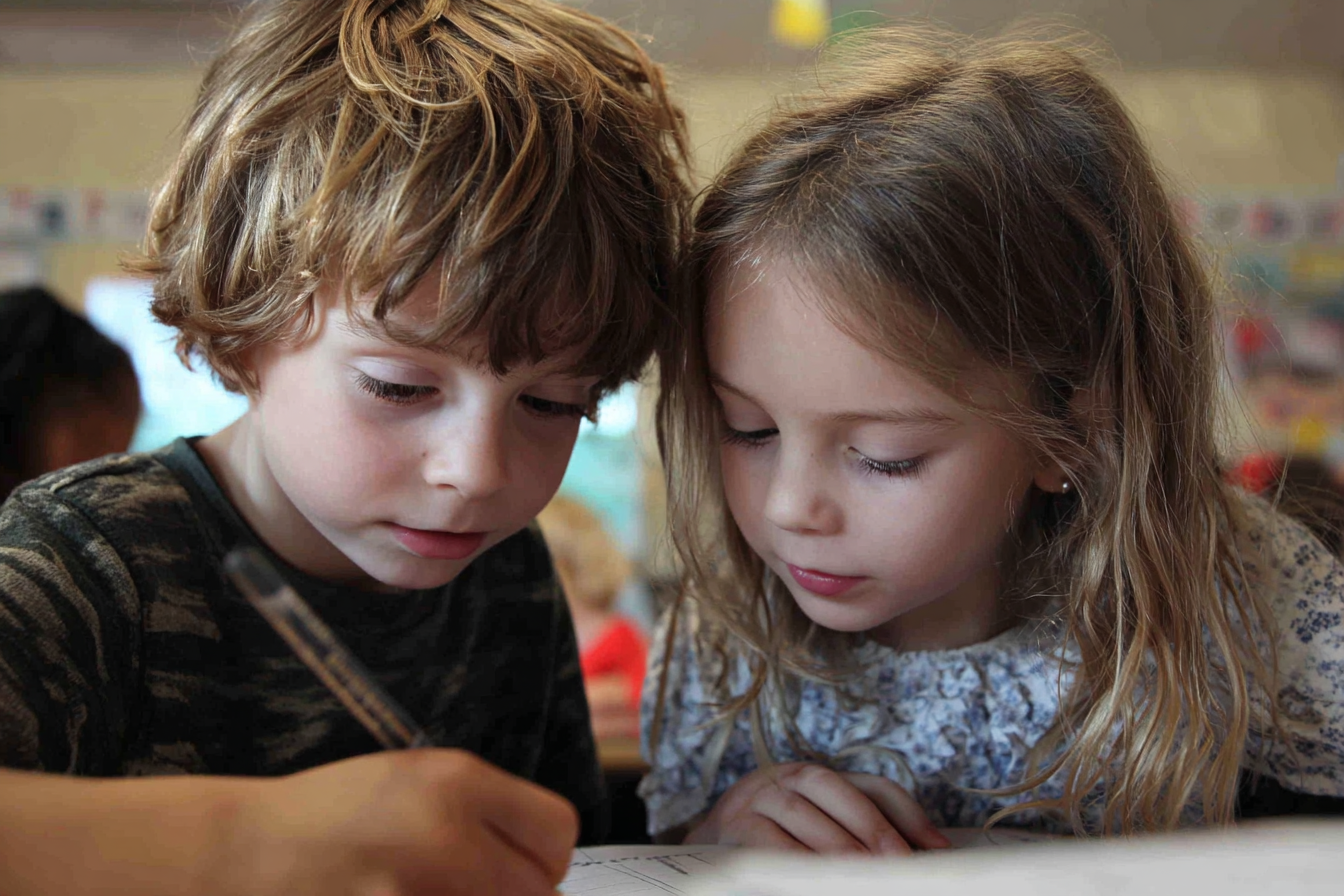
Focus: Give students repeated practice using the problem-solving sequence. Stations may include puppet role-play, conflict picture cards, solution sorting, and partner scripts. Students practice naming the problem, calming down, thinking of choices, choosing a safe solution, and reflecting on whether it helped.
Grade Level: 2
Subject Area: School Counseling (Problem-Solving • Conflict Resolution • Safe Solutions)
Total Unit Duration: 1–2 weeks, 30 minutes per session
I. Introduction
This Grade 2 counseling lesson gives students structured practice applying the problem-solving skills they have learned. Students review how to identify the size of a problem, calm their bodies, name what is happening, think of choices, choose a safe solution, and reflect on whether the solution helped.
The counselor uses practice stations so students can apply the same steps across different peer and school situations. Stations may include puppet role-play, conflict picture cards, solution sorting, partner scripts, or problem-size matching. The goal is for students to become more confident using safe, respectful problem-solving before conflicts become bigger.
Essential Questions
- How can students tell the size of a problem?
- What steps can students use to solve a problem safely?
- Why is calming down important before choosing a solution?
- What safe solutions can help with peer conflict?
- How can students reflect on whether a solution worked?
II. Objectives and Standards
Learning Objectives — Students will be able to:
- Identify common school problems and decide whether they are small, medium, or big.
- Use problem-solving steps such as stop, calm down, name the problem, think of choices, choose a safe solution, and reflect.
- Practice safe solutions such as respectful words, compromise, turn-taking, walking away, or adult help.
- Apply problem-solving skills across several realistic Grade 2 peer and school scenarios.
- Reflect on whether a chosen solution helped, did not help, or needs another step.
- (Optional Session) Strengthen problem-solving fluency through station rotations, partner scripts, solution sorting, and role-play practice.
Standards Alignment — Grade 2 (ASCA-based Custom)
- C:S4.2a — Identify Problems and Their Size
- Recognize common school problems and tell whether they are small problems students can try to solve or bigger problems that require adult help.
- Example: A student explains that losing a pencil is a small problem, but someone getting hurt is a big problem.
- C:S4.2b — Use Problem-Solving Steps
- Use steps such as stop, calm down, name the problem, think of choices, choose a safe solution, and reflect on what happened.
- Example: A student says, “The problem is we both want the same book. We could take turns or choose another one.”
- C:S4.2c — Resolve Conflicts Safely and Respectfully
- Use respectful words, compromise, turn-taking, walking away, or adult help to solve peer conflict without unsafe behavior.
- Example: A student says, “Please stop. I don’t like that,” and then asks an adult for help if the behavior continues.
Success Criteria — Student Language
- I can tell if a problem is small, medium, or big.
- I can stop and calm down before solving a problem.
- I can name the problem clearly.
- I can think of safe choices.
- I can choose a respectful solution or ask an adult for help.
- I can reflect on whether my solution helped.