Unit Plan 33 (Grade 2 Counselor): Safe, Kind, and Responsible Choices
Teach Grade 2 students safe, kind, and responsible choices with boundary, empathy, and scenario-sorting activities that support safety and learning.

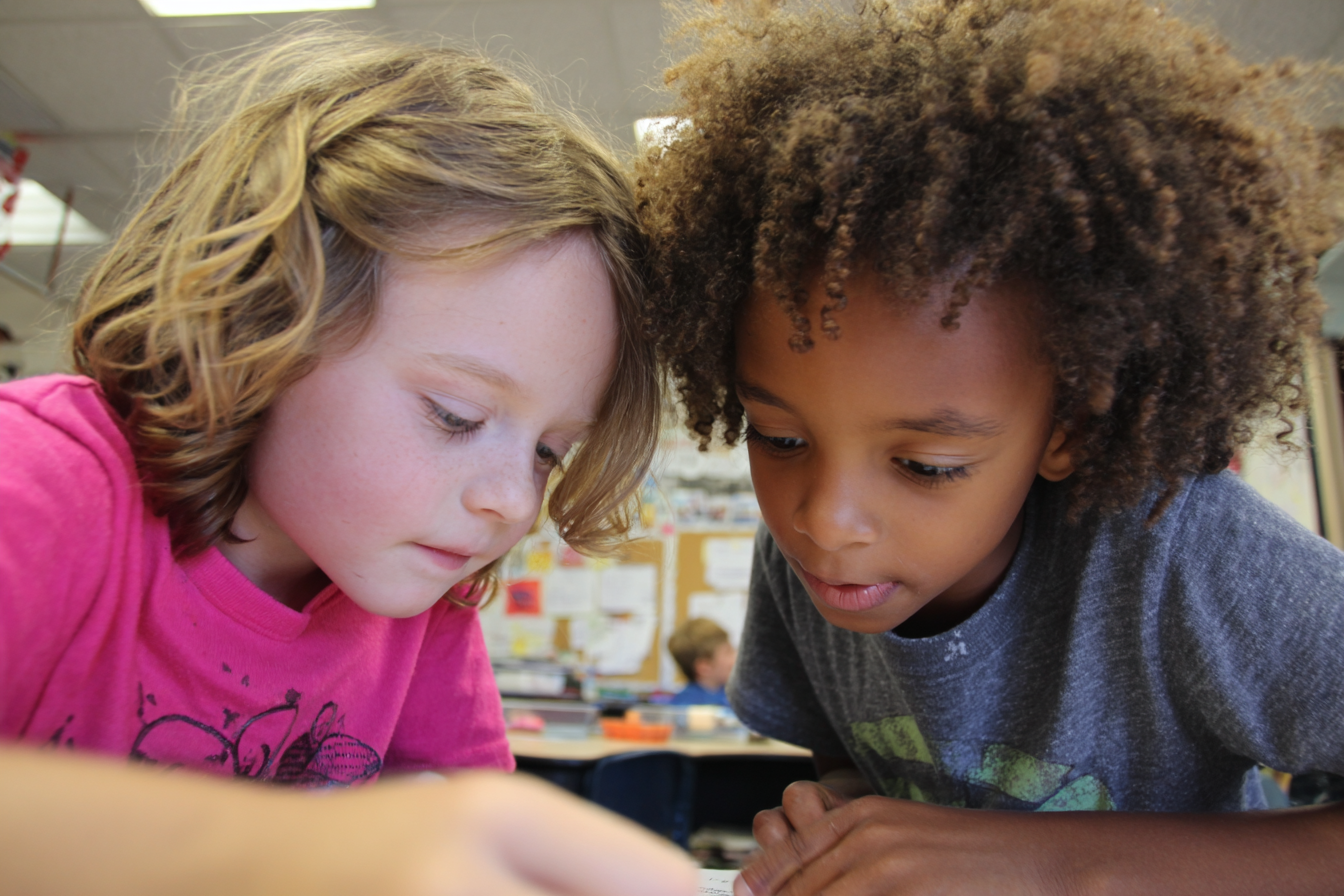
Focus: Combine safety, boundaries, responsible choices, and social decision-making. Students sort realistic school scenarios into safe/unsafe, kind/unkind, or responsible/irresponsible categories. The counselor helps students explain not only which choice is best, but why that choice protects people and supports learning.
Grade Level: 2
Subject Area: School Counseling (Safety • Kindness • Responsible Choices)
Total Unit Duration: 1–2 weeks, 30 minutes per session
I. Introduction
This Grade 2 counseling lesson helps students review how safety, kindness, boundaries, and responsibility work together during the school day. Students learn that strong choices are not only about following rules; they are about protecting people, respecting boundaries, helping classmates feel cared for, and supporting learning.
The counselor guides students through realistic school scenarios from the classroom, hallway, bathroom, cafeteria, playground, bus line, group work, and partner activities. Students sort choices into safe or unsafe, kind or unkind, and responsible or irresponsible. They explain why the best choice protects themselves, classmates, materials, routines, and the learning environment.
Essential Questions
- What makes a choice safe, kind, and responsible?
- How do students respect personal space, body boundaries, and belongings?
- How can kind choices show empathy and care?
- How do responsible choices support learning and safety?
- Why is it important to explain why a choice is helpful?
II. Objectives and Standards
Learning Objectives — Students will be able to:
- Identify choices that are safe or unsafe in common school settings.
- Identify choices that are kind or unkind based on how they affect others’ feelings and experiences.
- Identify choices that are responsible or irresponsible based on how they affect learning, routines, safety, and materials.
- Explain how respecting personal space, body boundaries, consent, belongings, and the word “stop” supports safety and respect.
- Choose actions that protect people, support learning, and show care for others.
- (Optional Session) Apply safe, kind, and responsible decision-making through scenario sorting, role-play, and better-choice rewrites.
Standards Alignment — Grade 2 (ASCA-based Custom)
- C:S6.2b — Respect Personal Space, Boundaries, and Consent
- Understand personal space, safe touch, body boundaries, and respectful ways to say, hear, and respond to “stop.”
- Example: A student says, “Please stop touching my backpack,” and respects another student who asks for space.
- C:S6.2c — Make Safe, Respectful, and Responsible Choices
- Choose actions that support safety, learning, respect, and responsibility in classrooms, hallways, bathrooms, cafeteria, playground, and group settings.
- Example: A student chooses to walk away from unsafe play and tell an adult instead of joining in.
- C:S3.2a — Show Kindness and Empathy
- Use words and actions that show care for others’ feelings and experiences.
- Example: A student notices a classmate looks sad and says, “Are you okay? Do you want to sit with me?”
Success Criteria — Student Language
- I can tell if a choice is safe or unsafe.
- I can tell if a choice is kind or unkind.
- I can tell if a choice is responsible or irresponsible.
- I can respect boundaries and stop when someone asks me to stop.
- I can explain how a good choice protects people and helps learning.