Unit Plan 7 (Grade 2 Music): Fast & Slow Tempo
Grade 2 tempo unit where students identify and perform fast/slow changes, follow tempo shifts, and explain how tempo supports purpose and feelings in music.

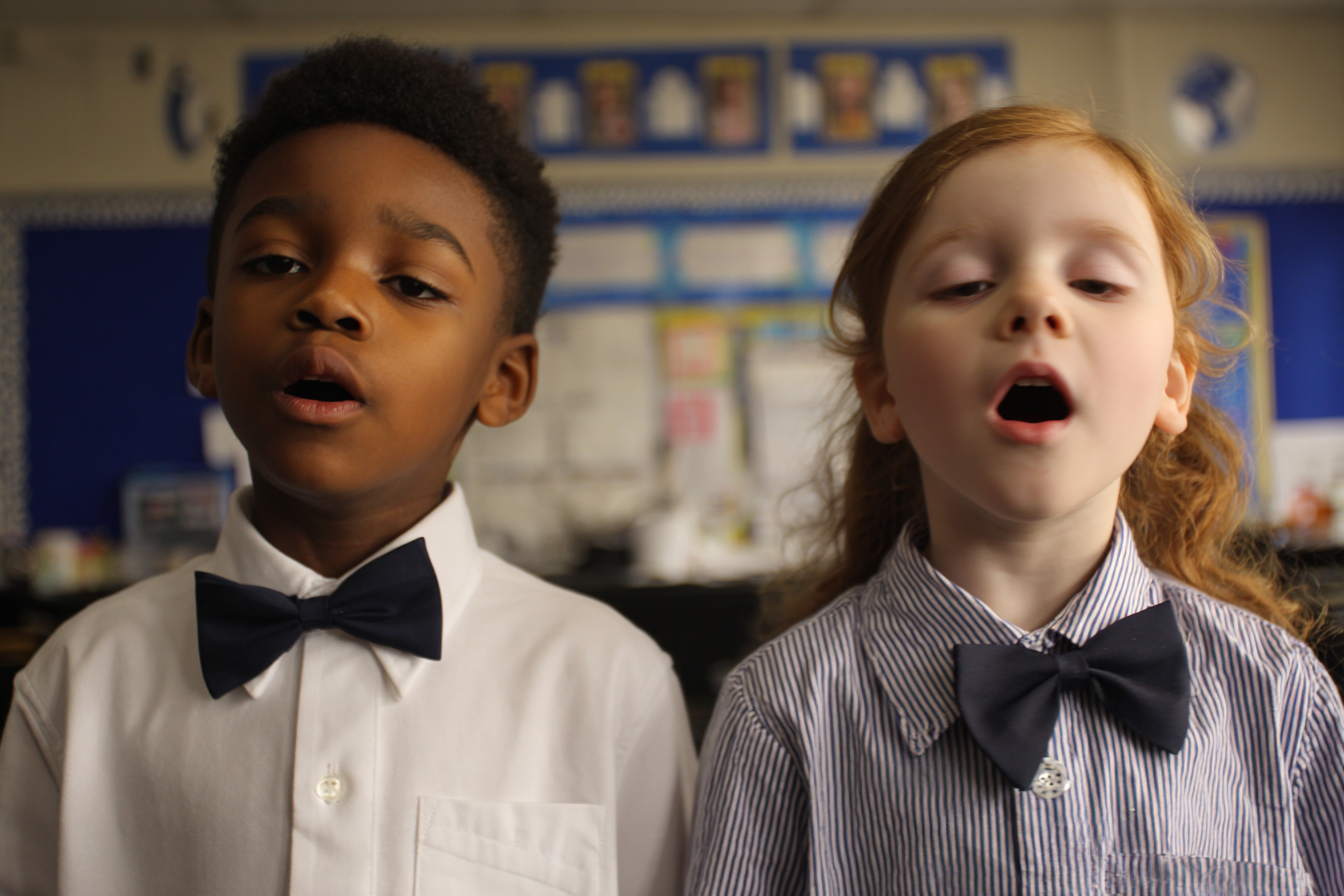
Focus: Identify and perform fast and slow tempo changes and describe how tempo helps music fit different purposes and feelings.
Grade Level: 2
Subject Area: Music (Performing • Responding • Tempo)
Total Unit Duration: 1–3 sessions (3+ weeks), 50–60 minutes per session
I. Introduction
In this unit, students explore tempo—how fast or slow music goes—and how it changes the feeling and purpose of music. Through songs, chants, movement, and listening activities, they practice performing at different tempos and following tempo changes. Students learn that creators and performers choose tempo on purpose to support marching, dancing, resting, or telling a musical story. They also describe how fast and slow tempos help music sound energetic, calm, playful, or serious, connecting tempo to expressive intent.
Essential Questions
- What is tempo, and how can I tell if music is fast or slow?
- How can I use my voice, body, and instruments to follow different tempos and tempo changes?
- How does tempo help music fit a specific purpose, such as dancing, marching, or resting?
- How do creators and performers use tempo to help music sound exciting, calm, or sneaky?
II. Objectives and Standards
Learning Objectives — Students will be able to:
- Define tempo as how fast or slow the beat of the music is.
- Demonstrate fast and slow tempos with their voices, movement, and simple instruments, while keeping a steady beat.
- Follow and perform simple tempo changes (e.g., start slow then go fast, or slow down at the end of a piece).
- Listen to short examples and describe how tempo helps the music fit a specific purpose (e.g., dance, lullaby, march).
- Make simple tempo choices for a class chant or piece and explain how their choices support the feeling or intent they want.
Standards Alignment — Grade 2 Music (NAfME-Aligned)
- MU:Pr4.3.2a — Demonstrate understanding of expressive qualities (such as dynamics and tempo) and how creators use them to convey expressive intent.
- Here: Using fast/slow tempo changes to show different moods and purposes.
- MU:Re7.2.2a — Describe how specific music concepts are used to support a specific purpose in music.
- Here: Explaining how tempo supports dancing, marching, resting, or storytelling.
Success Criteria — Student Language
- I can tell if the music is fast or slow.
- I can move, sing, or play instruments to match a fast or slow tempo.
- I can follow a simple tempo change in a song.
- I can explain how tempo helps music be good for dancing, marching, or resting.
- I can choose a tempo for my own short pattern and say what feeling or purpose it shows.