Unit Plan 10 (Grade 2 Music): Rhythm Echoes
Grade 2 rhythm unit where students echo patterns with voice and instruments, use rehearsal strategies to improve accuracy, and improvise simple rhythms for a purpose.

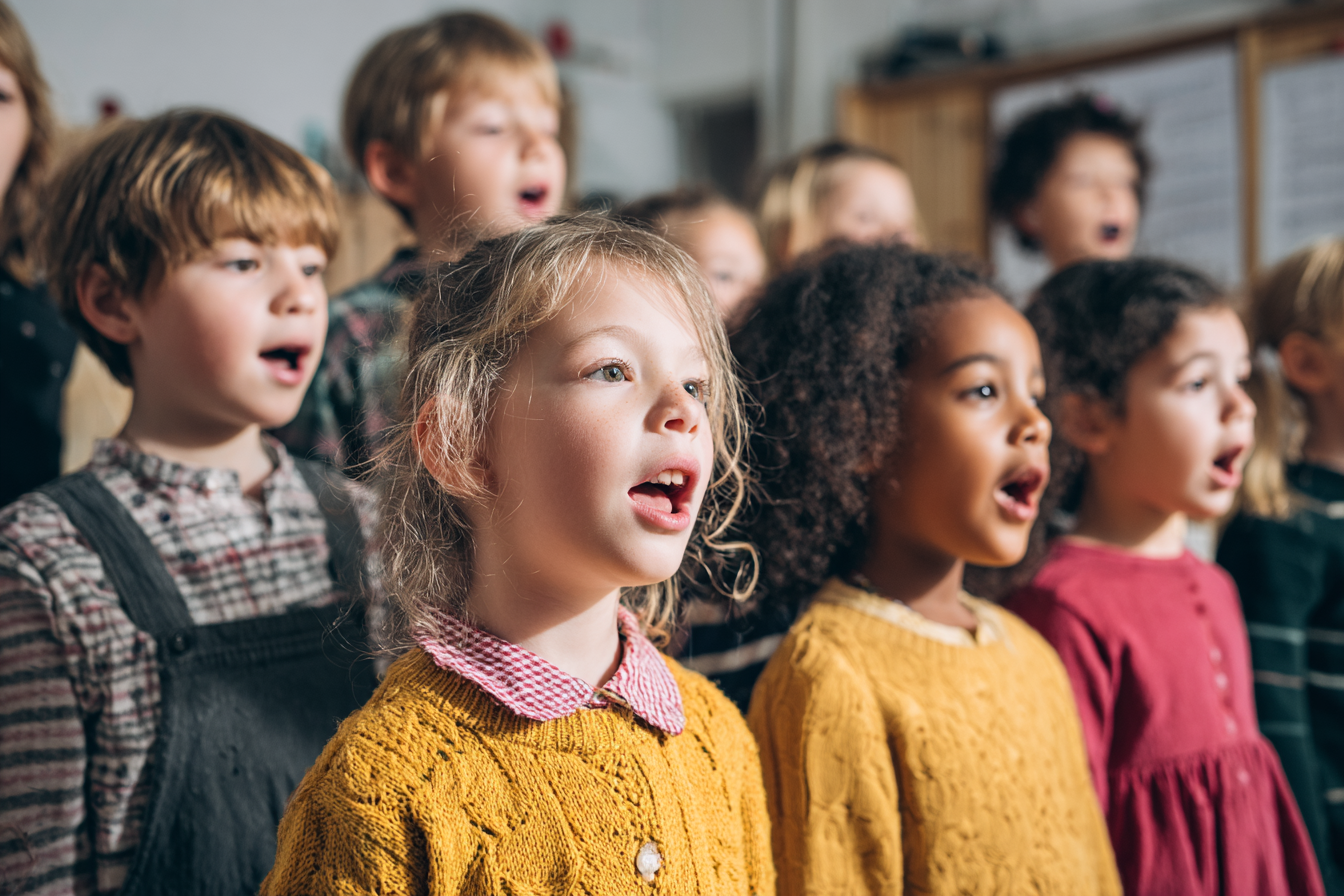
Focus: Echo rhythmic patterns using voice and classroom instruments, and begin to improvise simple rhythms for a clear purpose while using rehearsal strategies to improve accuracy.
Grade Level: 2
Subject Area: Music (Creating • Rehearsing • Rhythm)
Total Unit Duration: 1–3 sessions (3+ weeks), 50–60 minutes per session
I. Introduction
In this unit, students strengthen their rhythmic skills through echo activities—listening to short rhythmic patterns and repeating them with voice, body percussion, and instruments. They learn that careful listening and rehearsal strategies (like clapping first, then playing) help them match the rhythm accurately. Students also begin to improvise simple rhythmic patterns for a specific purpose—such as sounding like rain, footsteps, or a jump—so they see that rhythm can help tell a musical story.
Essential Questions
- How can I listen carefully and echo a rhythm so that it matches the pattern I hear?
- What rehearsal strategies help me improve my rhythm accuracy (clap first, speak first, slow it down)?
- How can I use voice, body, and instruments to echo and create rhythmic patterns?
- How can I make up a rhythm that shows a specific idea or purpose, like rain or marching?
II. Objectives and Standards
Learning Objectives — Students will be able to:
- Echo short rhythmic patterns accurately using voice (speaking/counting) and body percussion (clap, tap).
- Echo rhythmic patterns on classroom percussion instruments while keeping a steady beat.
- Use simple rehearsal strategies (clap first, speak the rhythm, slow it down, repeat tricky parts) to improve their echo performance.
- Improvise short rhythmic ideas on voice or instruments to match a simple purpose (e.g., rain, footsteps, parade).
- Reflect on which strategies helped them echo rhythms more accurately and create their own patterns.
Standards Alignment — Grade 2 Music (NAfME-Aligned)
- MU:Cr1.1.2a — Improvise rhythmic and melodic patterns and musical ideas for a specific purpose.
- Example: Students improvise a short rhythm to represent rain or footsteps.
- MU:Pr5.1.2b — Rehearse, identify, and apply strategies to address interpretive, performance, and technical challenges of music.
- Example: Clapping rhythm first before adding words.
Success Criteria — Student Language
- I can hear a short rhythm and echo it with my voice or body.
- I can echo a rhythm on an instrument and stay with the steady beat.
- I can use strategies like clapping first or going slower to help me get the rhythm right.
- I can make up a short rhythm that sounds like a specific idea (e.g., rain, footsteps).
- I can say which strategy helped me the most when rhythms felt tricky.