Unit Plan 17 (Grade 2 Science): Engineering Seed or Pollination Devices
Second graders design and test tools that mimic animals dispersing seeds or pollinating plants, using simple data to compare designs and improve models.

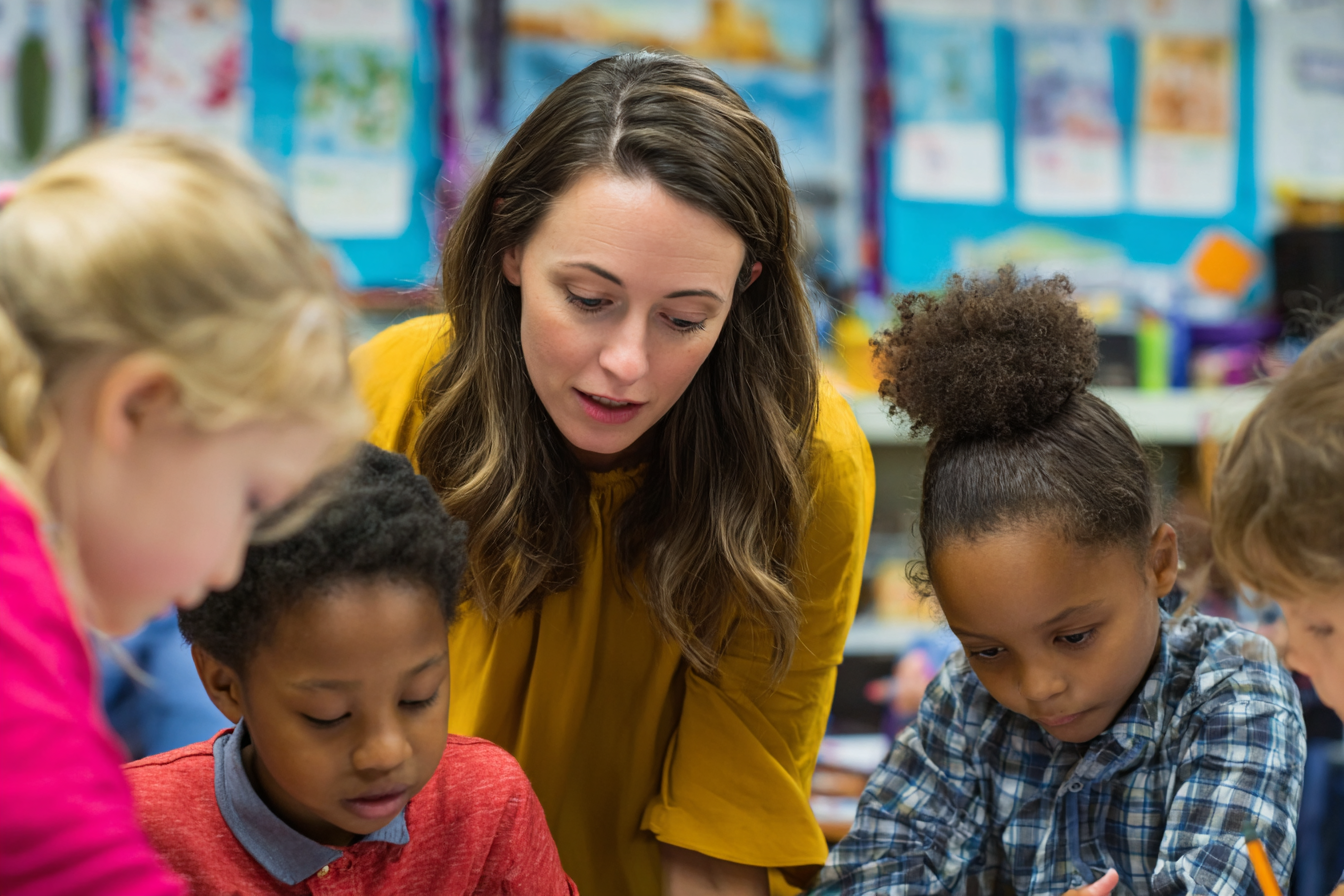
Focus: Design and test tools that mimic real-world seed dispersers or pollinators, then compare how well they work using simple tests and observations.
Grade Level: 2
Subject Area: Science (Life Science • Engineering Design)
Total Unit Duration: 5 sessions (one week), 30–45 minutes per session
I. Introduction
In this unit, students become engineers and scientists who design and test simple devices that act like animals moving seeds or pollen. Building on what they know about seed dispersal and pollination, they create models that mimic birds, mammals, wind, or insects helping plants make new plants.
Students sketch, build, test, and compare at least two different designs, observing which one moves seeds farther or transfers more “pollen” between flowers. By the end of the week, they can explain how their models are similar to real animals, and use simple data to identify strengths and weaknesses of each design, addressing 2-LS2-2 and K-2-ETS1-2–3.
Essential Questions
- How do animals help plants by moving seeds or pollinating flowers in the real world?
- How can we design a model that mimics (acts like) an animal that disperses seeds or pollinates plants?
- What makes one engineering design work better than another at moving seeds or transferring pollen?
- How can we use simple tests and data to compare the strengths and weaknesses of two designs?
II. Objectives and Standards
Learning Objectives — Students will be able to:
- Describe at least one way animals help plants by dispersing seeds or pollinating flowers.
- Develop simple sketches or models that mimic an animal in seed dispersal (e.g., fur, beaks, feet) or pollination (e.g., fuzzy insect bodies, tongues).
- Plan and carry out simple tests to see how well their models move seeds or transfer “pollen” between flowers.
- Collect and record data (e.g., number of seeds moved, distance traveled, number of pollen grains picked up) for at least two different designs.
- Analyze their test results to compare which design works better and explain at least one strength and one weakness for each design.
- Explain how their model mimics the function of an animal and how they might improve their design.
Standards Alignment — 2nd Grade (NGSS-Aligned)
- 2-LS2-2 — Develop a simple model that mimics the function of an animal in dispersing seeds or pollinating plants.
- K-2-ETS1-2 — Develop a simple sketch, drawing, or physical model to show how the shape of an object helps it function to solve a problem.
- K-2-ETS1-3 — Analyze data from tests of two objects designed to solve the same problem to compare the strengths and weaknesses of how each performs.
Success Criteria — Student Language
- I can tell how animals help plants by moving seeds or pollinating flowers.
- I can draw and build a model that acts like an animal moving seeds or pollen.
- I can test my model and record data about how well it works.
- I can compare two designs and say which one worked better and why.
- I can explain one way my model is similar to a real animal and how I might change it to make it better.