Unit Plan 6 (Grade 2 Science): Reversible vs. Irreversible Changes
Students investigate melting, freezing, dissolving, cooking, and burning, using evidence to decide which material changes are reversible and which are irreversible.

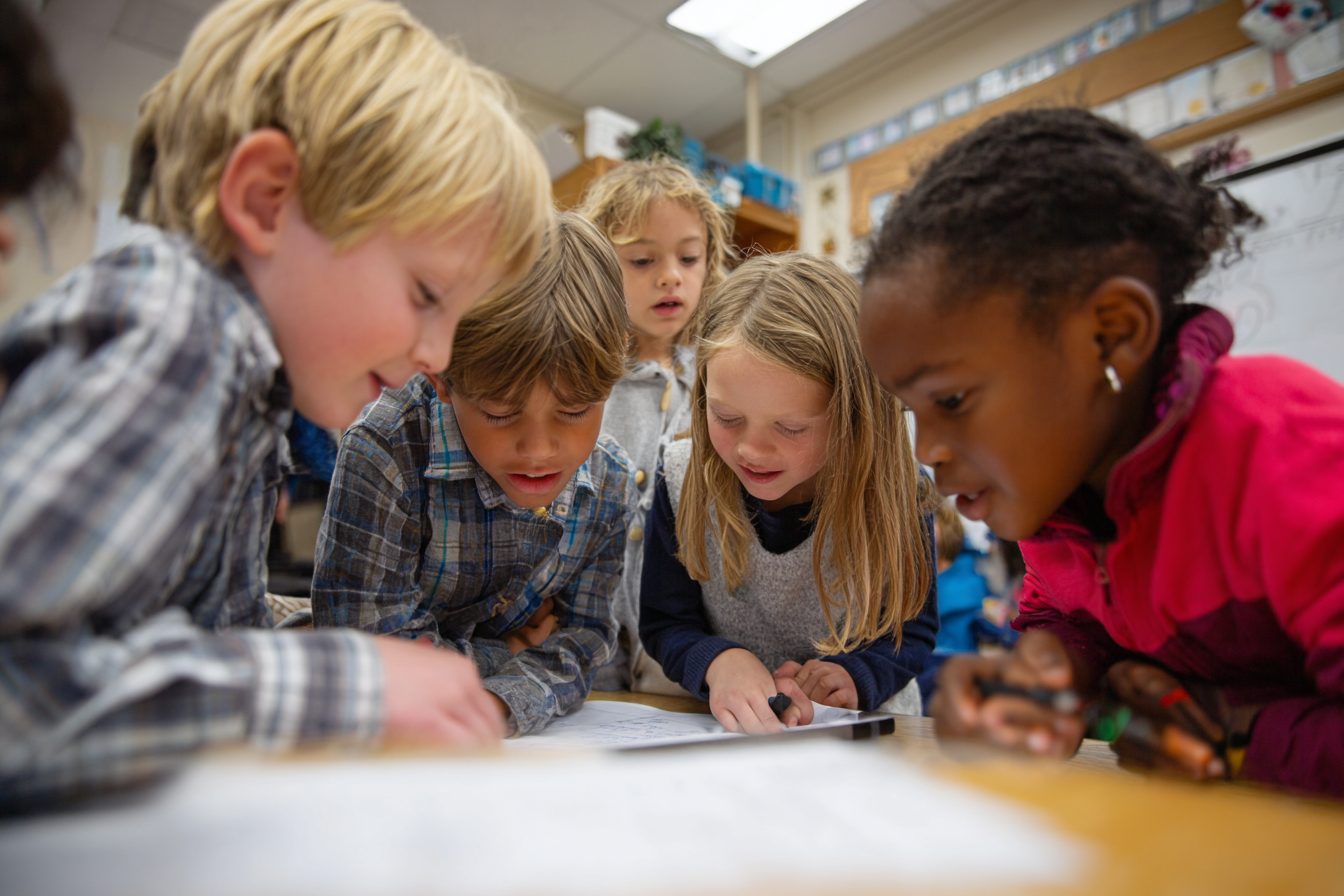
Focus: Investigate everyday changes to materials (melting, freezing, dissolving, burning, and cooking) and use evidence to decide which changes are reversible and which are irreversible (cannot easily go back).
Grade Level: 2
Subject Area: Science (Physical Science • Science & Engineering Practices)
Total Unit Duration: 5 sessions (one week), 30–45 minutes per session
I. Introduction
In this unit, students deepen their understanding of how temperature changes and simple processes can lead to reversible and irreversible changes in matter. They examine melting and freezing (ice ↔ water), dissolving (like sugar in water), and cooking/burning (toast, baked dough, burnt paper) through demonstrations, pictures, and safe observations. Students describe what happens before and after these changes and then construct arguments using their observations as evidence about which changes can be reversed and which cannot, directly addressing 2-PS1-4.
Essential Questions
- What happens to materials when they melt, freeze, dissolve, cook, or burn?
- How can we tell if a change is reversible or irreversible?
- What evidence can we use to support our ideas about these changes?
- Why is it important to know whether a change can be reversed in cooking, cleaning, or making things?
II. Objectives and Standards
Learning Objectives — Students will be able to:
- Describe what happens when common materials melt, freeze, dissolve, cook, or burn (using pictures, demos, or real examples).
- Observe and record before-and-after properties (color, texture, hardness, shape) for several different changes.
- Sort examples of changes into reversible (can be undone or changed back, like melting/freezing or some dissolving) and irreversible (cannot go back, like burning or cooking).
- Use simple tables, drawings, and notes to track what they observed in each change.
- Construct an argument with evidence that a specific change can or cannot be reversed, using “because” to connect claims to observations, in line with 2-PS1-4.
- Compare and discuss their arguments with classmates, listening for similar and different evidence.
Standards Alignment — 2nd Grade (NGSS-Aligned)
- 2-PS1-4 — Construct an argument with evidence that some changes caused by heating or cooling can be reversed and some cannot (extended here to include dissolving as a common change, while highlighting where heating/cooling is involved).
Success Criteria — Student Language
- I can describe what happened when something melted, froze, dissolved, cooked, or burned.
- I can decide if a change is reversible or irreversible and explain why.
- I can use what I saw, felt, or recorded as evidence in my argument.
- I can say or write: “I think this change is (reversible/irreversible) because ___.”
- I can listen to a partner’s idea and say if I agree or disagree, using evidence.