Unit Plan 24 (Grade 3 Art): Revision & Improvement Cycle
Grade 3 art unit where students revise earlier artwork using peer, teacher, and self-feedback to improve detail, neatness, and clarity.

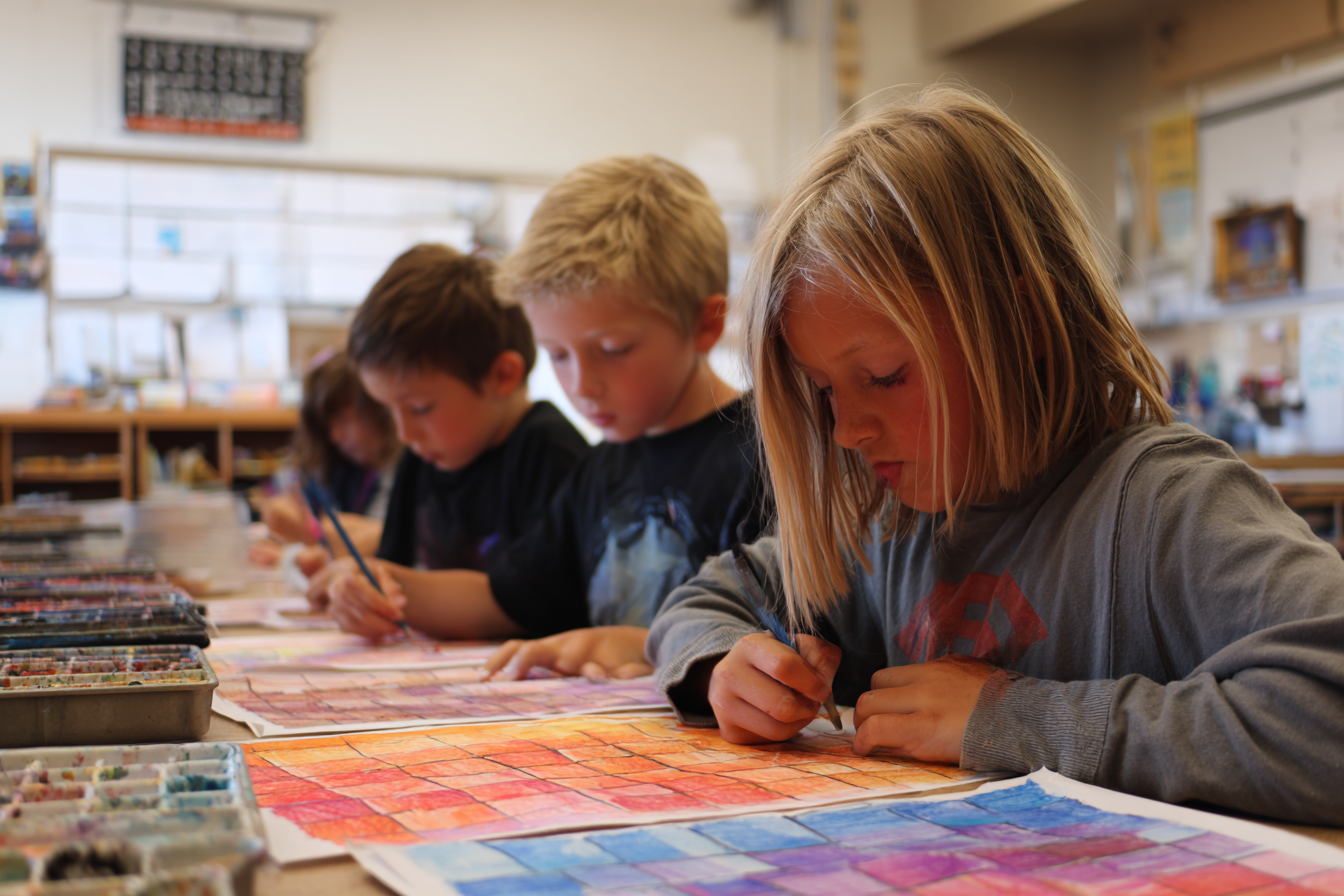
Focus: Revise earlier artwork using teacher, peer, and self-feedback to improve detail, neatness, and clarity.
Grade Level: 3
Subject Area: Art (Visual Arts • Creating/Responding)
Total Unit Duration: 1–3 weeks, 50–60 minutes per session
I. Introduction
In this unit, students return to previous artwork and practice the revision cycle that many artists use: look, get feedback, make changes, and reflect. Building on self-assessment skills, they use simple criteria—detail, neatness, and clarity of idea—to decide what to revise in a chosen piece. Through peer conversations, teacher conferences, and hands-on adjustments, students learn that revising artwork is a normal and powerful part of the creative process, not a sign of failure.
Essential Questions
- What does it mean to revise artwork, and why do artists do it?
- How can feedback from myself, classmates, and my teacher help me improve my art?
- In what ways can I improve detail, neatness, and clarity in a piece I have already made?
- How does revising my artwork help me grow as an artist and problem-solver?
II. Objectives and Standards
Learning Objectives — Students will be able to:
- Select one or more earlier artworks to revise, based on self-assessment and teacher guidance.
- Use feedback from checklists, peers, and teacher comments to decide on at least one specific change (detail, neatness, clarity).
- Apply revision strategies such as refining outlines, adding or simplifying details, and improving coloring or craftsmanship.
- Explain how their revisions made the artwork clearer, neater, or more detailed.
- Reflect on the revision cycle and describe how it helped them grow as artists.
Standards Alignment — 3rd Grade (NCAS-Aligned)
- VA:Cr3.3a — Revise artwork using feedback to improve detail, neatness, and clarity.
- Example: Students refine outlines and add detail after peer suggestions.
Success Criteria — Student Language
- I can choose an artwork that I want to revise.
- I can listen to feedback and decide on one or two specific changes to make.
- I can improve my artwork by adding or changing details, fixing neatness, or making my idea clearer.
- I can explain how my artwork is better after revision.
- I can describe how revising helps me grow as an artist.