Unit Plan 3 (Grade 3 Art): Two Ways to Solve a Design
Grade 3 art unit where students create two layout solutions for one design prompt, compare clarity and balance, and justify their strongest choice.

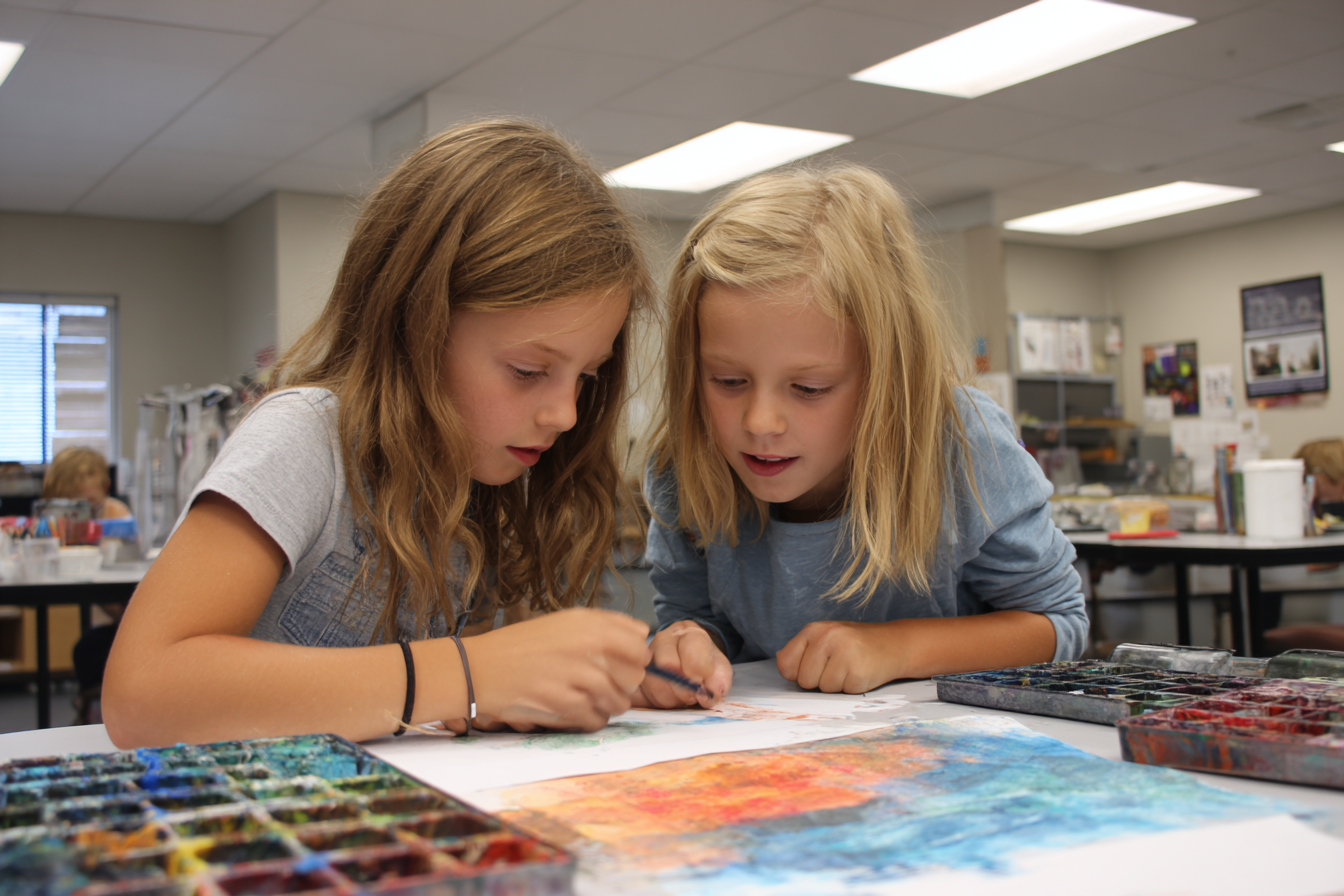
Focus: Create more than one layout for a visual prompt and choose the strongest design, explaining the decision.
Grade Level: 3
Subject Area: Art (Visual Arts • Creating)
Total Unit Duration: 1–3 weeks, 50–60 minutes per session
I. Introduction
In this unit, students learn that artists and designers often come up with multiple solutions before choosing one to develop. They practice creating at least two different layouts for the same prompt, changing where objects, text, and main ideas are placed. Students then compare their options using simple criteria—clarity of idea, balance, and interest—and select the layout they think is strongest, explaining why. This builds flexible thinking and prepares them to plan more intentional compositions in future projects.
Essential Questions
- Why might artists make more than one layout for the same idea?
- How does changing the placement of objects, people, or text change how a design feels?
- How can I tell which layout is the strongest solution for my idea?
- How does explaining my choice help me think more like a designer?
II. Objectives and Standards
Learning Objectives — Students will be able to:
- Respond to a simple design prompt by sketching at least two different layout solutions.
- Show clear differences between layouts (placement of main image, text, background, and details).
- Use simple criteria (clarity, balance, interest) to compare their layout options.
- Choose the layout they believe is strongest and explain their reasoning in simple language.
- Save their layout sketches as part of a planning process for future finished artwork.
Standards Alignment — 3rd Grade (NCAS-Aligned)
- VA:Cr1.3b — Develop more than one possible solution to a visual problem and explain why one is chosen.
- Example: Students compare two layout ideas before beginning a final drawing.
Success Criteria — Student Language
- I can create two or more layouts that solve the same design problem in different ways.
- I can tell how my layouts are different (where the main picture or words go, what is big/small).
- I can use simple rules like clarity, balance, and interest to compare my layouts.
- I can choose one layout and explain clearly why I think it is the best solution.
- I can keep my sketches as part of my planning, not just throw them away.