Unit Plan 27 (Grade 3 Counselor): Perseverance When Learning Is Hard
Help Grade 3 students build perseverance, growth mindset, coping tools, strategy switching, help-seeking, and small goal steps when learning feels hard.

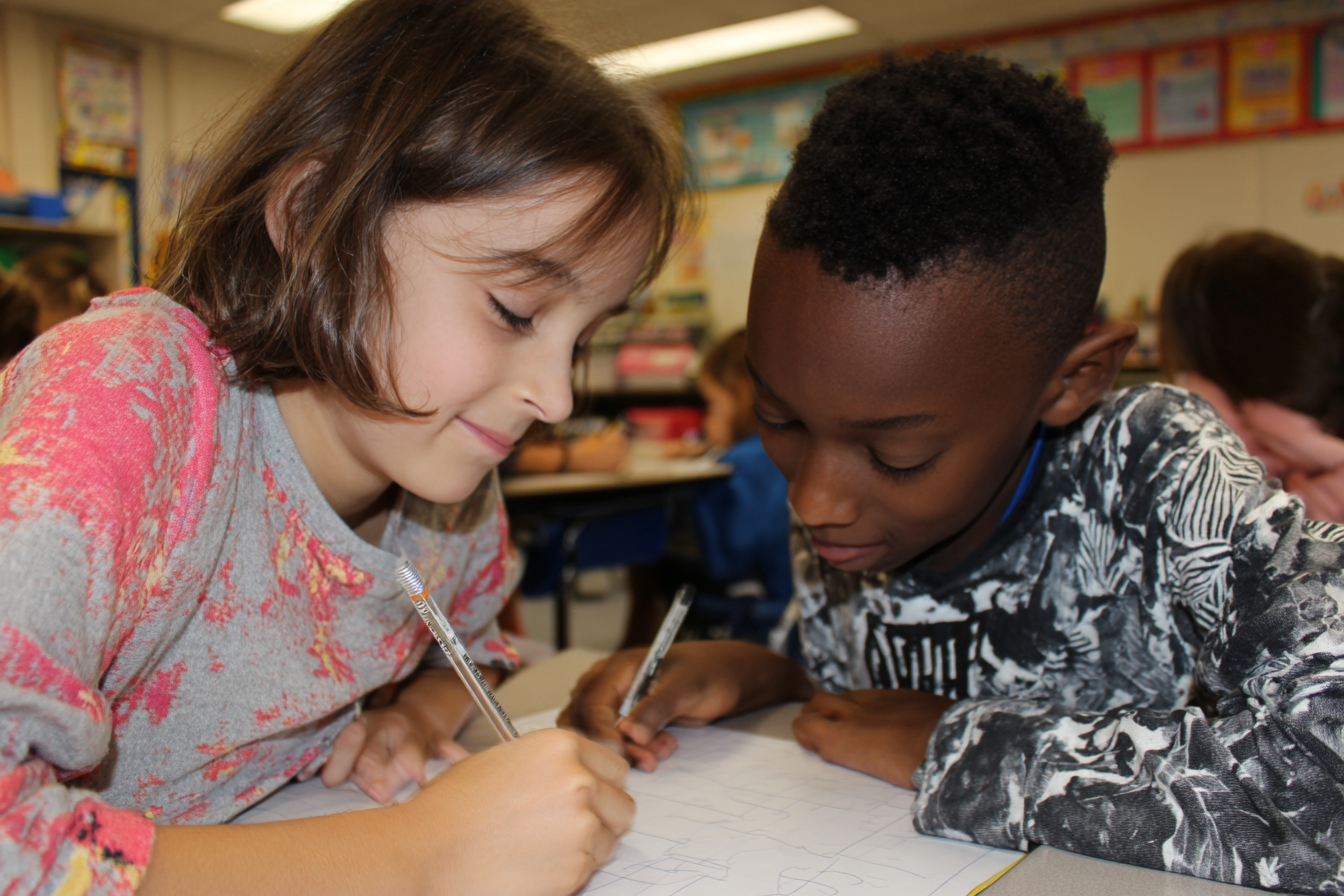
Focus: Strengthen perseverance and growth mindset when learning, friendships, or responsibilities feel difficult. Students identify common Grade 3 challenges such as longer reading, multi-step math, writing, organization, tests, group work, or friendship problems. The counselor helps students practice self-talk, strategy switching, help-seeking, and goal steps so that “hard” becomes a signal to use tools rather than give up.
Grade Level: 3
Subject Area: School Counseling (Perseverance • Growth Mindset • Coping Strategies)
Total Unit Duration: 1–2 weeks, 30 minutes per session
I. Introduction
This Grade 3 counseling lesson helps students understand that hard moments are part of learning and growing. Students learn that perseverance does not mean doing the same thing over and over without thinking. Perseverance means noticing when something is difficult, using helpful self-talk, trying a new strategy, practicing, asking for support, and taking small steps toward improvement.
Students explore realistic Grade 3 challenges such as longer reading passages, multi-step math problems, writing assignments, staying organized, preparing for tests, working with a group, handling mistakes, or solving friendship problems. The counselor teaches students that “hard” can be a signal to pause, choose a tool, and try a next step instead of quitting or saying, “I can’t.”
Essential Questions
- What does perseverance mean?
- How can students use growth mindset when learning or relationships feel hard?
- What self-talk, coping tools, and strategies can help students keep going?
- How can students set small steps toward a goal instead of giving up?
- When should students ask for support?
II. Objectives and Standards
Learning Objectives — Students will be able to:
- Explain perseverance as continuing to try by using strategies, practice, self-talk, or support.
- Identify common Grade 3 challenges that may feel difficult in learning, organization, group work, coping, or friendships.
- Use helpful self-talk when a task or relationship feels hard.
- Choose a new strategy when the first strategy does not work.
- Connect perseverance to simple goal steps and progress reflection.
- Select coping strategies such as breathing, taking a break, problem-solving, positive self-talk, or asking for help when frustration appears.
- (Optional Session) Apply perseverance, strategy switching, and goal-setting skills to realistic Grade 3 challenge scenarios.
Standards Alignment — Grade 3 (ASCA-based Custom)
- C:S5.3b — Use Perseverance and Growth Mindset
- Keep trying when learning or relationships feel difficult and use helpful self-talk, strategies, practice, or support.
- Example: A student says, “This math problem is hard, but I can try another strategy or ask for help.”
- C:S5.3c — Set, Track, and Reflect on a Simple Goal
- Choose a realistic goal related to learning, behavior, friendship, coping, or responsibility and identify steps for progress.
- Example: A student sets a goal to use respectful words during group work and checks in at the end of the week.
- C:S2.3b — Choose Coping Strategies for Different Situations
- Select and practice coping tools such as breathing, positive self-talk, taking a break, movement, journaling, problem-solving, or asking for help.
- Example: A student chooses to use positive self-talk and slow breathing before sharing in front of the class.
Success Criteria — Student Language
- I can explain what perseverance means.
- I can use helpful self-talk when something feels hard.
- I can try a different strategy instead of giving up.
- I can choose a small goal step that helps me improve.
- I can use a coping tool or ask for help when frustration gets too big.