Unit Plan 5 (Grade 3 Counselor): Personal Boundaries and Respectful Communication
Teach Grade 3 students personal space, privacy, belongings, and respectful “stop” phrases through scenarios that build safe, responsible choices.

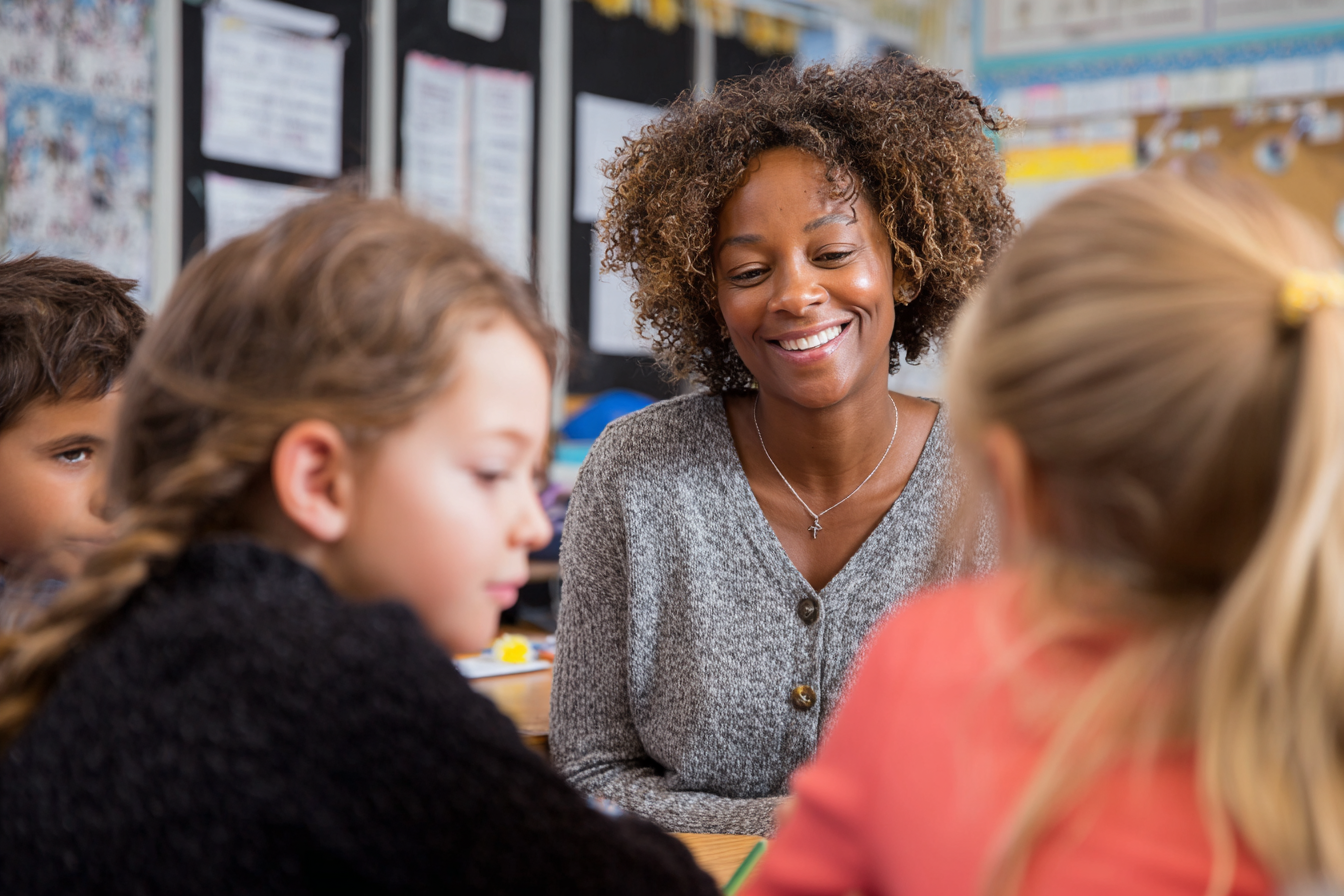
Focus: Help students understand personal space, body boundaries, privacy, and respectful ways to say or hear “stop.” Grade 3 students discuss more nuanced examples such as touching others’ belongings, crowding someone in line, joking after someone asked them to stop, or sharing private information. Students practice assertive but respectful phrases and learn that boundaries should be respected immediately.
Grade Level: 3
Subject Area: School Counseling (Boundaries • Respectful Communication • Responsible Choices)
Total Unit Duration: 1–2 weeks, 30 minutes per session
I. Introduction
This Grade 3 counseling lesson helps students understand that boundaries are limits that help people feel safe, respected, and comfortable. Students learn that boundaries can include personal space, body boundaries, privacy, belongings, and requests to stop. The counselor emphasizes that students can use respectful words to state a boundary and should also listen right away when someone else sets one.
Students examine realistic Grade 3 situations such as touching someone’s supplies without permission, crowding in line, joking after someone says stop, sharing private information, or ignoring someone’s request for space. The lesson connects boundaries to cooperation, group work, safe choices, and respectful communication. The goal is for students to understand that respecting boundaries helps classmates feel safe, valued, and ready to learn.
Essential Questions
- What are personal boundaries, and why do they matter?
- How can students respectfully say “stop,” ask for space, or protect privacy?
- What should students do when someone else asks them to stop?
- How do boundaries help students cooperate, share materials, and make responsible choices?
II. Objectives and Standards
Learning Objectives — Students will be able to:
- Explain personal boundaries, including personal space, body boundaries, privacy, belongings, and requests to stop.
- Identify examples of boundary-respecting and boundary-crossing behavior.
- Practice respectful and assertive phrases for saying stop, asking for space, protecting belongings, or keeping information private.
- Explain why students should stop immediately when someone else sets a boundary.
- Connect boundaries to cooperation, sharing materials, taking turns, listening to ideas, and helping groups succeed.
- (Optional Session) Apply boundary and respectful communication skills to new scenarios through sorting, role-play, or response practice.
Standards Alignment — Grade 3 (ASCA-based Custom)
- C:S6.3b — Respect Personal Boundaries and Assertive Communication
- Understand personal space, body boundaries, privacy, and respectful ways to say, hear, and respond to “stop.”
- Example: A student says, “Please stop touching my things,” and also stops immediately when another student asks for space.
- C:S3.3b — Cooperate and Contribute in Groups
- Work cooperatively by sharing materials, taking turns, listening to ideas, accepting roles, and helping the group succeed.
- Example: A student agrees to be the recorder while another student reads the directions during a group activity.
- C:S6.3c — Make Safe, Respectful, and Responsible Choices
- Choose actions that support safety, learning, respect, and responsibility in classrooms, hallways, bathrooms, cafeteria, playground, online spaces, and group settings.
- Example: A student chooses not to join unsafe playground behavior and tells an adult when someone could get hurt.
Success Criteria — Student Language
- I can explain what a boundary is.
- I can name examples of personal space, privacy, belongings, and body boundaries.
- I can use respectful words to say “stop” or ask for space.
- I can stop immediately when someone else sets a boundary.
- I can make safe, respectful, and responsible choices with classmates and groups.