Unit Plan 3 (Grade 3 Counselor): Ready to Learn Behaviors
Grade 3 counseling lesson on attention, organization, listening, participation, and responsible choices that help students stay ready to learn.

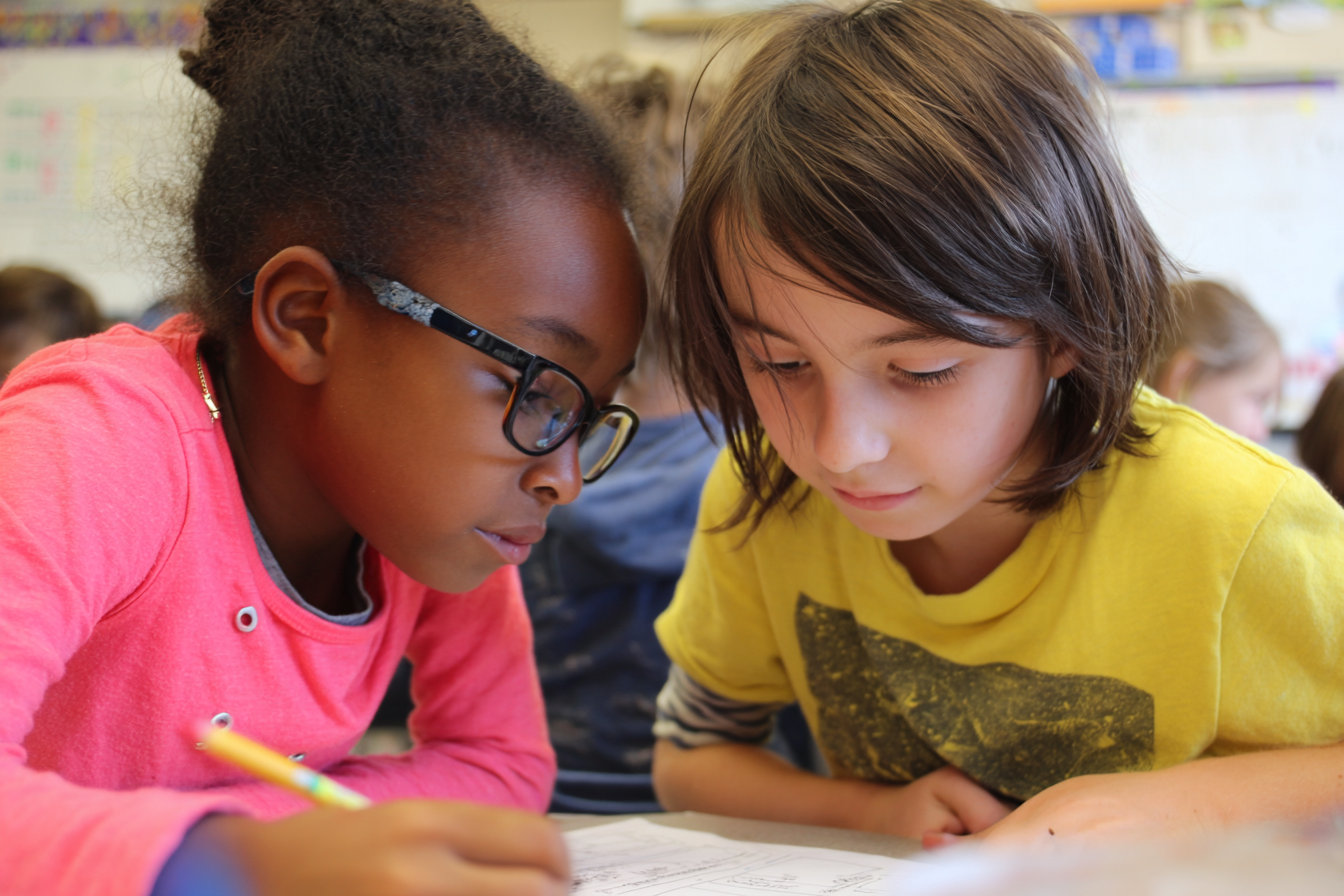
Focus: Teach students that attention, organization, listening, and participation are school-success skills. The counselor models strong and weak learner behaviors during a mock lesson and asks students to identify which choices help learning. Students practice following multi-step directions, organizing materials quickly, and using respectful listening during a short partner or group activity.
Grade Level: 3
Subject Area: School Counseling (School Success • Responsible Choices • Respectful Listening)
Total Unit Duration: 1–2 weeks, 30 minutes per session
I. Introduction
This Grade 3 counseling lesson helps students understand that being ready to learn is a set of skills they can practice. Students learn that attention, organization, listening, participation, following directions, completing routines, and staying on task all help them succeed at school. The counselor frames these behaviors as habits that students can strengthen over time, not as traits students either have or do not have.
Students observe examples of strong and weak learner behaviors during a mock lesson or short classroom scenario. They identify which choices help learning and which choices make learning harder for themselves or others. The lesson also connects ready-to-learn behaviors to respectful communication and responsible choices in classrooms, group work, hallways, bathrooms, cafeteria, playground, online spaces, and other school settings.
Essential Questions
- What does it mean to be ready to learn?
- How do attention, organization, listening, and participation help students succeed?
- What choices help students follow directions and stay on task?
- How can respectful communication help during partner work, group work, and classroom discussions?
- How do safe, respectful, and responsible choices support learning across school settings?
II. Objectives and Standards
Learning Objectives — Students will be able to:
- Identify school-success behaviors such as listening, following directions, organizing materials, participating, completing routines, and staying on task.
- Compare strong and weak learner behaviors during a mock lesson or classroom scenario.
- Practice following multi-step directions and organizing materials efficiently.
- Use respectful words, active listening, and connected responses during a partner or group activity.
- Explain how safe, respectful, and responsible choices support learning in classrooms and other school settings.
- (Optional Session) Apply ready-to-learn behaviors in a short group challenge and reflect on which habits helped the group succeed.
Standards Alignment — Grade 3 (ASCA-based Custom)
- C:S5.3a — Practice Attention, Organization, and Responsibility
- Use school-success behaviors such as listening, following directions, organizing materials, participating, completing routines, and staying on task.
- Example: A student brings needed materials, starts work promptly, and follows a multi-step classroom direction.
- C:S3.3c — Communicate Respectfully with Peers and Adults
- Use respectful words, active listening, and connected responses during conversations, disagreements, and group work.
- Example: A student says, “I disagree, but I understand your idea. I think we should try this plan instead.”
- C:S6.3c — Make Safe, Respectful, and Responsible Choices
- Choose actions that support safety, learning, respect, and responsibility in classrooms, hallways, bathrooms, cafeteria, playground, online spaces, and group settings.
- Example: A student chooses not to join unsafe playground behavior and tells an adult when someone could get hurt.
Success Criteria — Student Language
- I can name behaviors that help me be ready to learn.
- I can follow multi-step directions.
- I can organize materials and start work responsibly.
- I can listen respectfully and respond to a partner or group member.
- I can make choices that support safety, learning, respect, and responsibility.