Unit Plan 28 (Grade 3 Counselor): Responsible Choices Affect Others
Teach Grade 3 students how responsible choices support learning, safety, trust, belonging, and positive schoolwide community impact.

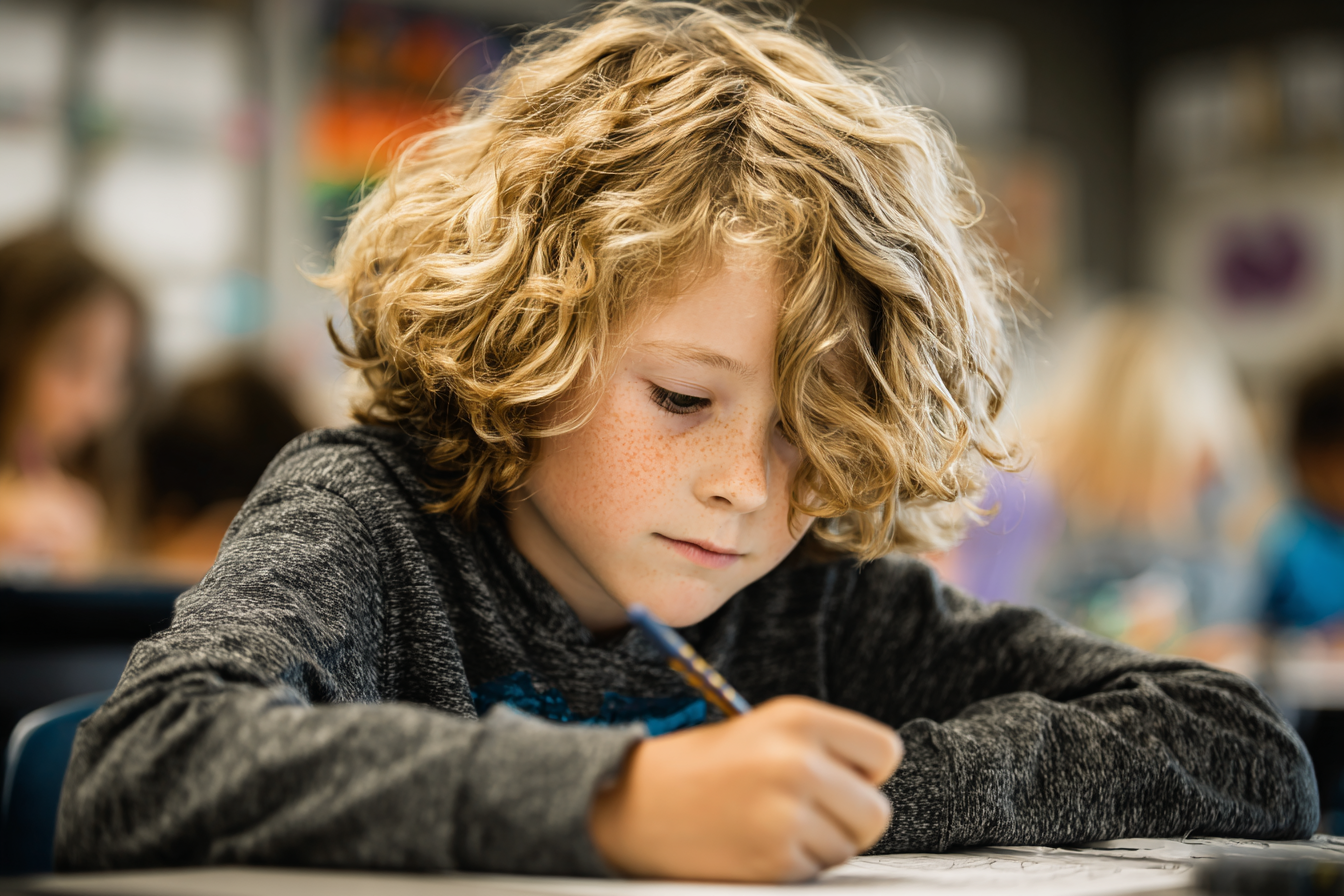
Focus: Help students connect personal responsibility to the well-being of the group. Students analyze scenarios where one person’s choices affect classmates, such as interrupting, leaving materials out, excluding someone, or refusing to cooperate. The counselor guides students to explain how responsible choices support learning, safety, trust, and belonging.
Grade Level: 3
Subject Area: School Counseling (Responsibility • Schoolwide Choices • Community Impact)
Total Unit Duration: 1–2 weeks, 30 minutes per session
I. Introduction
This Grade 3 counseling lesson helps students understand that their choices affect more than just themselves. Students learn that responsible choices support the whole group by helping classmates learn, feel safe, trust one another, and belong. The counselor emphasizes that responsibility includes listening, following directions, organizing materials, participating, completing routines, staying on task, and thinking about how actions affect others.
Students analyze realistic Grade 3 scenarios where one person’s choices affect the classroom, group, recess game, hallway, cafeteria, or online space. Examples may include interrupting, leaving materials out, excluding someone, encouraging unsafe behavior, refusing to cooperate, ignoring directions, or helping the group get back on track. The goal is for students to see responsible choices as a way to protect learning, safety, trust, and belonging for everyone.
Essential Questions
- How do personal choices affect classmates and the whole group?
- What does responsibility look like in classrooms, hallways, cafeteria, playground, online spaces, and group settings?
- How do responsible choices support learning, safety, trust, and belonging?
- How can students set a simple goal to practice one responsible choice?
II. Objectives and Standards
Learning Objectives — Students will be able to:
- Explain how one student’s choices can affect classmates, learning, safety, trust, and belonging.
- Identify safe, respectful, and responsible choices across school settings.
- Recognize irresponsible choices such as interrupting, refusing to cooperate, leaving materials out, excluding someone, or ignoring directions.
- Connect responsible choices to school-success behaviors such as listening, organizing materials, participating, completing routines, and staying on task.
- Choose a simple responsibility goal and identify one step for progress.
- (Optional Session) Apply responsibility and community-impact thinking through scenario sorting, goal-setting, or group reflection.
Standards Alignment — Grade 3 (ASCA-based Custom)
- C:S6.3c — Make Safe, Respectful, and Responsible Choices
- Choose actions that support safety, learning, respect, and responsibility in classrooms, hallways, bathrooms, cafeteria, playground, online spaces, and group settings.
- Example: A student chooses not to join unsafe playground behavior and tells an adult when someone could get hurt.
- C:S5.3a — Practice Attention, Organization, and Responsibility
- Use school-success behaviors such as listening, following directions, organizing materials, participating, completing routines, and staying on task.
- Example: A student brings needed materials, starts work promptly, and follows a multi-step classroom direction.
- C:S5.3c — Set, Track, and Reflect on a Simple Goal
- Choose a realistic goal related to learning, behavior, friendship, coping, or responsibility and identify steps for progress.
- Example: A student sets a goal to use respectful words during group work and checks in at the end of the week.
Success Criteria — Student Language
- I can explain how my choices affect others.
- I can identify safe, respectful, and responsible choices.
- I can explain how responsibility helps learning, safety, trust, and belonging.
- I can choose one responsibility goal.
- I can name one step that will help me make progress.