Unit Plan 33 (Grade 3 Counselor): Safe, Respectful, and Responsible Choices
Teach Grade 3 students safe, respectful, and responsible choices with schoolwide scenarios on boundaries, privacy, empathy, and adult help.

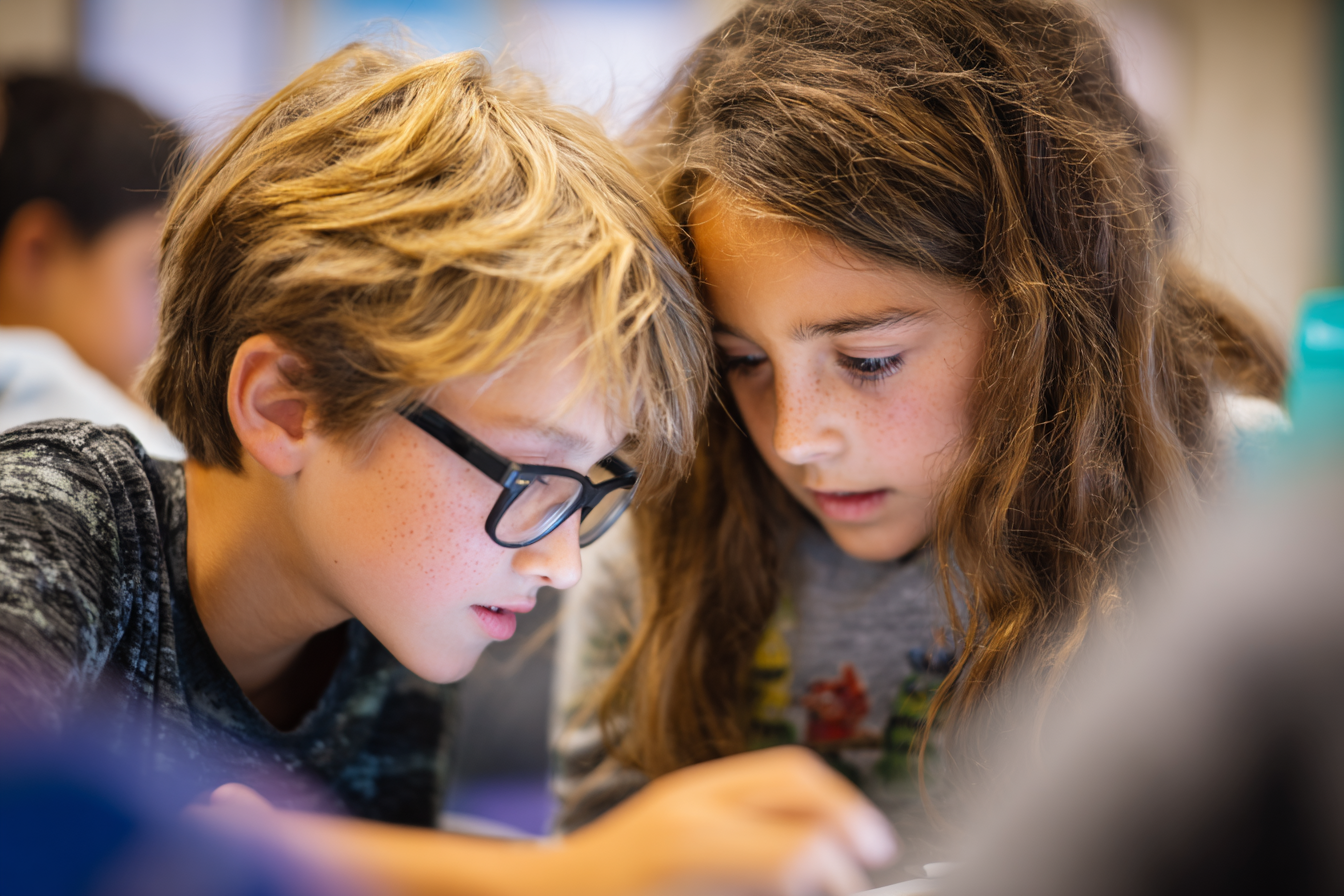
Focus: Combine safety, boundaries, responsibility, and social decision-making. Students sort scenarios from the classroom, hallway, playground, cafeteria, bathroom, and digital/device situations into safe/unsafe or respectful/disrespectful choices. The counselor helps students explain why the best choice supports safety, learning, and respect.
Grade Level: 3
Subject Area: School Counseling (Safety • Boundaries • Responsible Choices)
Total Unit Duration: 1–2 weeks, 30 minutes per session
I. Introduction
This Grade 3 counseling lesson reviews how students can make safe, respectful, and responsible choices across the school day. Students connect safety, personal boundaries, privacy, empathy, and responsibility to real school settings such as the classroom, hallway, playground, cafeteria, bathroom, group work, and age-appropriate digital or device situations. The counselor emphasizes that strong choices protect people, support learning, and help classmates feel respected.
Students sort realistic scenarios into safe or unsafe, respectful or disrespectful, and responsible or irresponsible choices. They practice explaining why one choice helps the school community while another choice may create harm, discomfort, distraction, or conflict. The goal is for students to recognize that responsible decision-making includes respecting “stop,” caring about others’ feelings, and choosing actions that help everyone feel safe and ready to learn.
Essential Questions
- What makes a choice safe, respectful, and responsible?
- How do boundaries and privacy connect to safety and respect?
- How can students show empathy when making choices around others?
- Why do responsible choices support learning, safety, and respect across school settings?
- When should students speak up or get adult help?
II. Objectives and Standards
Learning Objectives — Students will be able to:
- Identify safe and unsafe choices in classroom, hallway, cafeteria, bathroom, playground, group-work, and digital/device situations.
- Identify respectful and disrespectful choices involving personal space, body boundaries, privacy, belongings, teasing, or “stop” requests.
- Explain how responsible choices support safety, learning, respect, and responsibility.
- Recognize how others may feel when boundaries are crossed, unsafe choices are made, or disrespectful words are used.
- Choose safer, more respectful responses for realistic Grade 3 scenarios.
- Practice assertive and respectful language for speaking up, setting boundaries, and getting help when needed.
- (Optional Session) Apply safe, respectful, and responsible decision-making through scenario sorting, role-play, or a schoolwide choices challenge.
Standards Alignment — Grade 3 (ASCA-based Custom)
- C:S6.3b — Respect Personal Boundaries and Assertive Communication
- Understand personal space, body boundaries, privacy, and respectful ways to say, hear, and respond to “stop.”
- Example: A student says, “Please stop touching my things,” and also stops immediately when another student asks for space.
- C:S6.3c — Make Safe, Respectful, and Responsible Choices
- Choose actions that support safety, learning, respect, and responsibility in classrooms, hallways, bathrooms, cafeteria, playground, online spaces, and group settings.
- Example: A student chooses not to join unsafe playground behavior and tells an adult when someone could get hurt.
- C:S3.3a — Show Empathy and Respect for Others
- Recognize how others may feel and respond with kindness, respect, and care.
- Example: A student notices a classmate looks left out and says, “Do you want to join our game?”
Success Criteria — Student Language
- I can tell whether a choice is safe or unsafe.
- I can tell whether a choice is respectful or disrespectful.
- I can respect boundaries, privacy, belongings, and “stop.”
- I can think about how my choices affect others.
- I can choose actions that support safety, learning, and respect.
- I can ask an adult for help when something is unsafe, repeated, or too big.