Unit Plan 12 (Grade 3 Counselor): Strengths, Values, and Growth Areas
Help Grade 3 students identify strengths, values, and growth areas while using growth mindset, self-talk, strategies, practice, and support to improve.

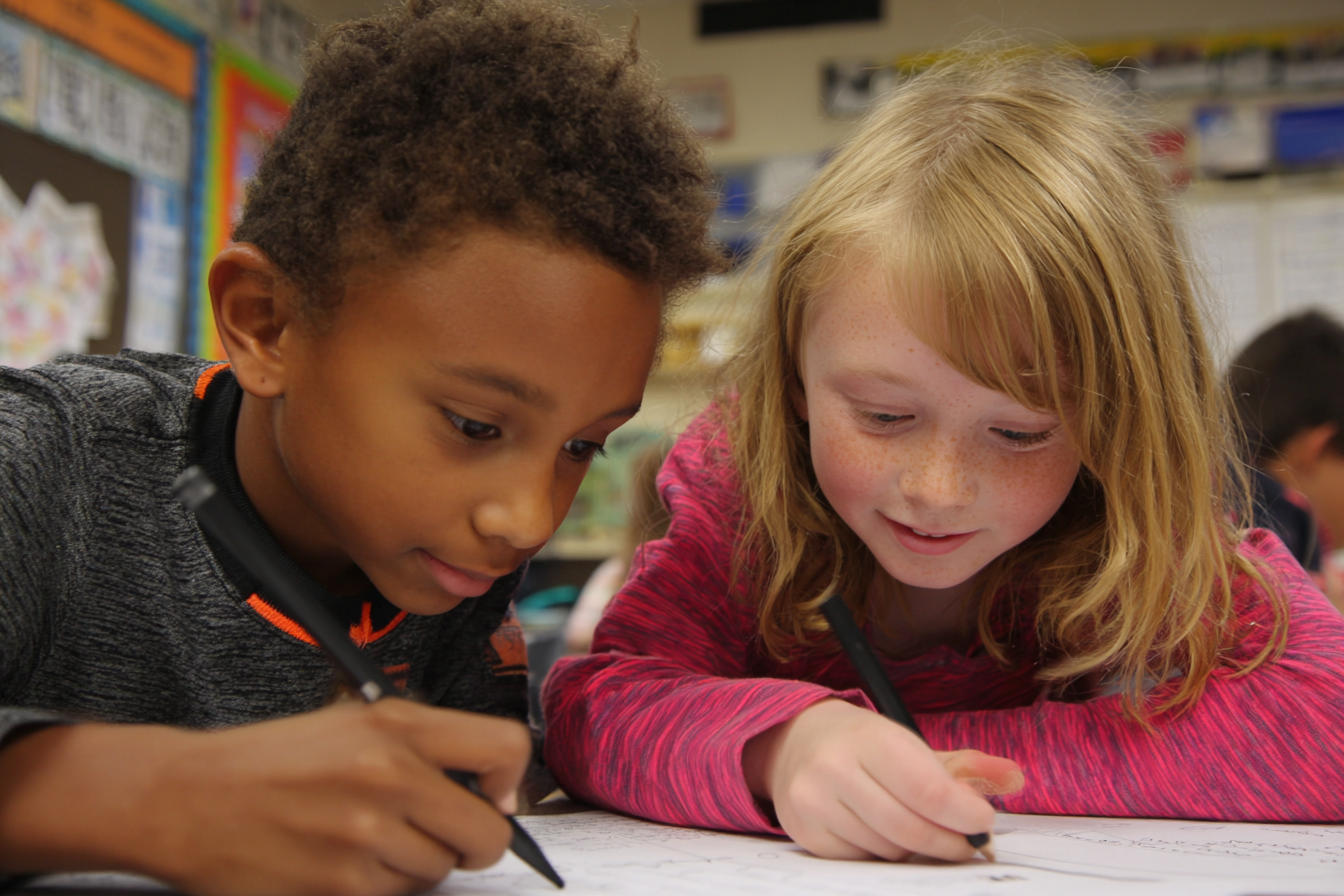
Focus: Help students identify what they are good at, what matters to them, and where they are still growing. The counselor uses a strengths and growth chart where students name academic, social, and personal strengths alongside one skill they want to improve. Students learn that growth areas are normal and that effort, practice, strategies, helpful self-talk, and support can help them improve.
Grade Level: 3
Subject Area: School Counseling (Strengths • Values • Growth Mindset)
Total Unit Duration: 1–2 weeks, 30 minutes per session
I. Introduction
This Grade 3 counseling lesson helps students recognize that everyone has strengths, interests, values, and areas where they are still growing. Students identify things they do well in school, friendships, group work, problem-solving, creativity, responsibility, kindness, or leadership. The counselor emphasizes that strengths can help students contribute to the classroom community and feel more confident as learners and classmates.
Students also learn that growth areas are normal. A growth area does not mean a student is bad at something forever; it means the student is still practicing. Through discussion, reflection, and a strengths-and-growth chart, students name one skill they want to improve and connect it to perseverance, helpful self-talk, strategies, practice, feedback, or support.
Essential Questions
- What are strengths, interests, values, and growth areas?
- How can students recognize what they do well?
- Why is it normal to have skills that are still growing?
- How can effort, strategies, practice, helpful self-talk, and support help students improve?
II. Objectives and Standards
Learning Objectives — Students will be able to:
- Identify personal strengths in academic, social, and personal areas.
- Name interests or values that matter to them, such as kindness, fairness, creativity, responsibility, honesty, helping, or perseverance.
- Recognize one growth area as a skill they are still practicing.
- Explain how perseverance and growth mindset help students improve when something feels difficult.
- Choose a helpful self-talk statement, strategy, practice step, or support option for a growth area.
- (Optional Session) Create a simple strengths-and-growth action plan with one next step for improvement.
Standards Alignment — Grade 3 (ASCA-based Custom)
- C:S5.3b — Use Perseverance and Growth Mindset
- Keep trying when learning or relationships feel difficult and use helpful self-talk, strategies, practice, or support.
- Example: A student says, “This math problem is hard, but I can try another strategy or ask for help.”
- C:S1.3b — Recognize Strengths, Interests, Values, and Growth Areas
- Identify personal strengths, interests, values, and areas where they are working to improve.
- Example: A student says, “I am good at explaining directions to others, and I am working on staying calm when I am frustrated.”
Success Criteria — Student Language
- I can name one strength I have.
- I can name something that matters to me.
- I can identify one skill I am still growing in.
- I can use helpful self-talk when something feels hard.
- I can choose a strategy, practice step, or support person to help me improve.