Unit Plan 9 (Grade 3 PE): Dance & Rhythm Basics
Engage Grade 3 students with fun dance and rhythm activities that build coordination, boost confidence, and promote active, expressive movement.

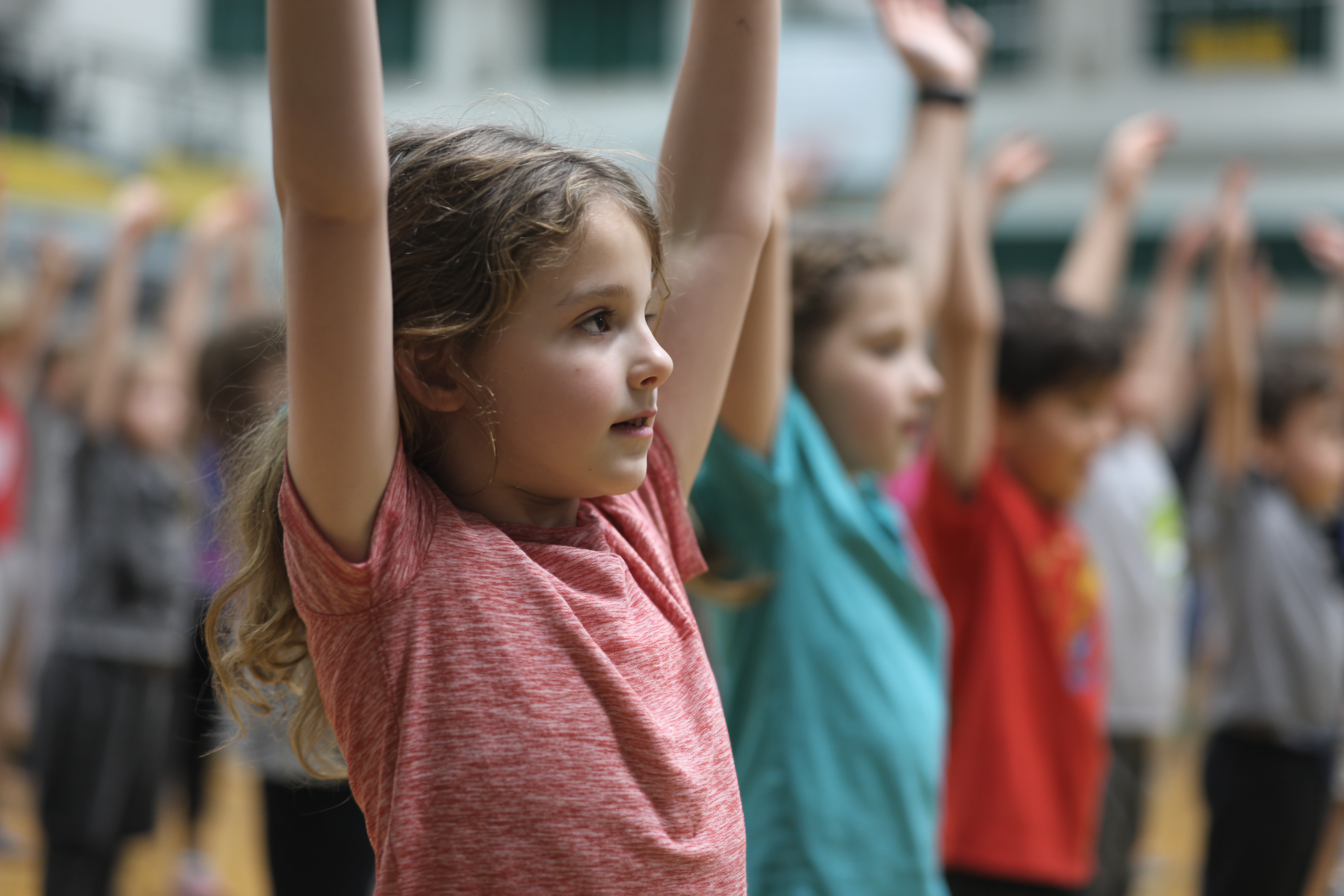
Focus: Build rhythmic movement, improve coordination and body control, and help students experience dance as a fun, expressive form of physical activity.
Grade Level: 3
Subject Area: Physical Education (Dance & Rhythm • Coordination • Expressive Movement)
Total Unit Duration: 1 core session + 2 optional sessions (1–3 weeks), 50–60 minutes per session
I. Introduction
Students explore dance and rhythm as ways to move with control, follow patterns, and express themselves through physical activity. In this unit, students begin with clap/stomp patterns and 4–8 count sequences so they can practice keeping a beat, following cues, and coordinating movement with sound. They then apply those skills in teacher-led line dances or age-appropriate Just Dance-style routines, where they learn to match movement to rhythm, remember short sequences, and move confidently with the group. Throughout the unit, students focus on timing, coordination, expressive movement, and understanding that dance can be an enjoyable way to be active with others.
Essential Questions
- How can I move with the beat and follow rhythmic patterns?
- How does dance help me improve coordination and body control?
- Why can dance be a fun and healthy way to be active?
- How can group dance activities help students enjoy movement together?
II. Objectives and Standards
Learning Objectives — Students will be able to:
- Perform locomotor and rhythmic movements with control while following counts and teacher cues.
- Participate actively in dance and rhythm activities for most of class time.
- Express enjoyment and a positive attitude while trying dance-based movement tasks.
- Describe simple physical, mental, and social benefits of dance and active movement.
Standards Alignment — 3rd Grade (SHAPE America-based custom)
- PE:S1.3a – Locomotor Skills in Complex Pathways Perform locomotor skills (run, hop, jump, leap, slide, gallop, skip) with control, changing speed and direction in response to cues or game situations.
- Example: Students navigate a cone course, adjusting speed and direction while avoiding others during a tag-style warm-up.
- PE:S3.3a – Participation in Moderate-to-Vigorous Activity Participate actively in moderate-to-vigorous physical activity for most of the PE class time.
- Example: Students remain engaged in continuous movement activities such as running games, circuits, or relays with minimal idle time.
- PE:S5.3a – Enjoyment and Positive Attitude Express enjoyment and a positive attitude toward participating in a variety of physical activities and games.
- Example: Students state which activities they enjoyed and show enthusiasm by actively participating.
- PE:S5.3b – Recognizing Health & Social Benefits Describe ways that physical activity helps their bodies and minds (e.g., stronger muscles, better health, more energy, stress relief, fun with friends).
- Example: Students explain that being active helps them feel happier, sleep better, or play longer.
Success Criteria — Student Language
- I can move with the beat and follow counts.
- I can stay active during dance and rhythm activities.
- I can show a positive attitude while dancing with my class.
- I can explain how dance helps my body and mood.