Unit Plan 36 (Grade 3 PE): Year-End Activity Festival & Reflection
Celebrate the end of Grade 3 PE with a fun activity festival that builds reflection, highlights health and social benefits of movement, and inspires lifelong physical activity habits.

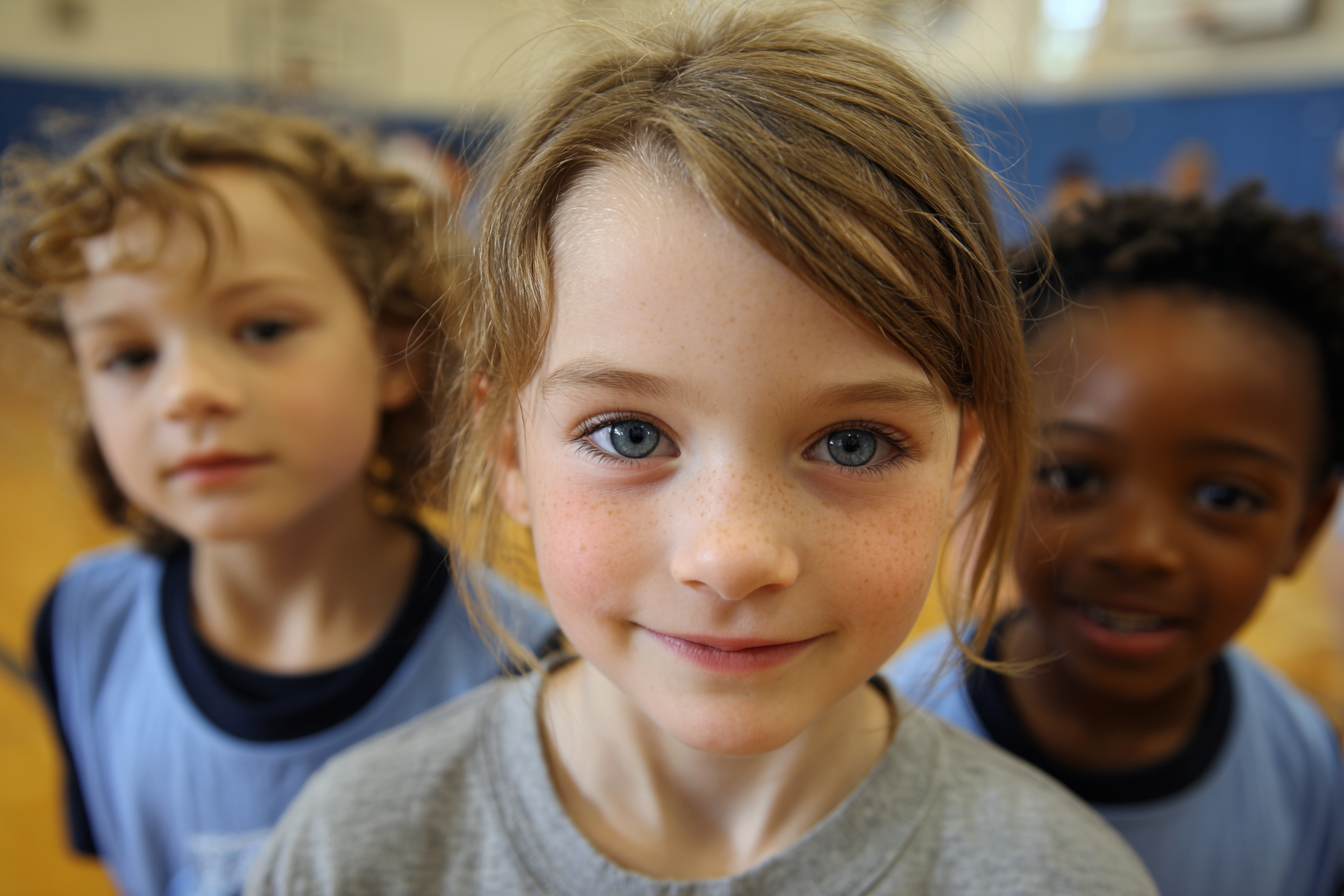
Focus: Celebrate movement and progress, help students recognize the health and social benefits of PE, and encourage them to identify lifelong activity ideas they can continue beyond Grade 3.
Grade Level: 3
Subject Area: Physical Education (Activity Festival • Reflection & Wellness • Lifelong Movement)
Total Unit Duration: 1 core session + 2 optional sessions (1–3 weeks), 50–60 minutes per session
I. Introduction
Students close the year by revisiting favorite movement experiences and reflecting on what Physical Education has taught them about activity, health, and enjoyment. In this unit, students begin with a class-voted favorite warm-up, such as dance, tag, or lap jog, so they can reconnect with a movement routine they already know and enjoy. They then participate in Festival Day, where they replay 3–4 favorite games or sport activities from the year before ending with a circle reflection about how physical activity helps the body, mood, friendships, and future healthy habits. Throughout the unit, students focus on joyful participation, recognizing body responses during activity, celebrating favorite games, and seeing movement as something they can continue at home, at school, and in the community.
Essential Questions
- How does physical activity help my body and mind?
- What kinds of activities do I enjoy most in PE?
- How can I tell when my body is working harder during movement?
- What activities might I want to keep doing outside school and as I grow older?
II. Objectives and Standards
Learning Objectives — Students will be able to:
- Participate actively in favorite games and movement activities for most of class time.
- Describe how their body feels during different levels of activity, including breathing, heart rate, tiredness, and energy.
- Express enjoyment and a positive attitude while participating in festival-style PE activities.
- Explain how physical activity helps health, mood, and friendships.
- Identify favorite activities they may want to continue outside school and as they grow older.
Standards Alignment — 3rd Grade (SHAPE America-based custom)
- PE:S3.3a – Participation in Moderate-to-Vigorous Activity Participate actively in moderate-to-vigorous physical activity for most of the PE class time.
- Example: Students remain engaged in continuous movement activities such as running games, circuits, or relays with minimal idle time.
- PE:S3.3b – Recognizing Body Responses & Intensity Describe how their body responds to different levels of physical activity (heart rate, breathing, sweating, tiredness) and recognize signs of moderate vs vigorous effort.
- Example: After a jogging vs sprinting activity, students compare how their breathing and heart rate feel during each.
- PE:S5.3a – Enjoyment and Positive Attitude Express enjoyment and a positive attitude toward participating in a variety of physical activities and games.
- Example: Students state which activities they enjoyed and show enthusiasm by actively participating.
- PE:S5.3b – Recognizing Health & Social Benefits Describe ways that physical activity helps their bodies and minds (e.g., stronger muscles, better health, more energy, stress relief, fun with friends).
- Example: Students explain that being active helps them feel happier, sleep better, or play longer.
- PE:S5.3c – Preference for Lifelong Physical Activities Identify types of physical activities they enjoy and might continue doing outside of school and as they grow older (e.g., biking, swimming, running, dance, sports).
- Example: Students name activities they like in PE and connect them to community or home opportunities.
Success Criteria — Student Language
- I can stay active during our class festival activities.
- I can describe how my breathing, heart, or body feels when I move.
- I can show a positive attitude during our favorite games.
- I can explain how being active helps my health and friendships.
- I can name activities I want to keep doing after this school year.
III. Materials and Resources
Tasks & Tools (teacher acquires/curates)
- General Equipment
- Cones to mark festival stations, boundaries, rotation paths, waiting spots, and reflection circle area.
- Timer, music cues, or whistle for station changes and stop signals.
- Whiteboard or poster showing the festival schedule, warm-up vote result, and reflection prompts.
- Whistle and visual stop/go signal.
- Poster cues such as stay active, encourage others, notice your breathing, have fun, and reflect at the end.
- Warm-Up Equipment
- Equipment depends on the class-voted warm-up:
- Dance: music and open movement area
- Tag: cones for boundaries and pinnies if needed
- Lap jog: cones for jogging route
- Optional cue cards showing dance, tag, jog, breathe, and freeze.
- Equipment depends on the class-voted warm-up:
- Game/Activity Equipment
- Equipment for 3–4 favorite class activities, depending on what is selected. Possible examples include:
- Mini-soccer: soccer balls, cone goals, field cones
- Dance station: music and movement prompts
- Four-square or wall game station: soft balls, taped courts, wall targets
- Frisbee or Frisbee golf station: discs, cone targets, course markers
- Jump rope station: jump ropes and rope spaces
- Tag or cooperative game station: cones, pinnies, or beanbags
- Reflection circle materials such as floor spots or a designated seated area.
- Optional role cards such as station helper, music helper, equipment helper, and reflection leader.
- Equipment for 3–4 favorite class activities, depending on what is selected. Possible examples include:
- Reflection & Assessment Tools
- Teacher checklist for active participation, body-response awareness, positive participation, benefit recognition, and lifelong activity preferences.
- Quick exit slips or reflection cards.
- Optional anchor chart for “How does PE help my body, mind, and friendships?”
Preparation
- Decide on the 3–4 festival stations based on class favorites from earlier in the year.
- Keep station directions simple and familiar so students can focus on participation and reflection rather than learning new rules.
- Make sure each station has enough space for safe movement and that rotations are easy to follow.
- Prepare a closing reflection circle with prompts about health, feelings, friendship, and future activity choices.
- Review and post safety reminders:
- stay inside station boundaries
- use equipment the correct way
- rotate only on signal
- encourage classmates
- walk between stations
- freeze on whistle
- Remind students that the festival is about celebrating movement and learning, not just choosing the most competitive activity.
Common Misconceptions to Surface
- “Favorite activities are only the ones I am best at.” → Sometimes students enjoy activities for fun, teamwork, or energy even if they are still learning them.
- “If I am tired, that means something is wrong.” → Tired muscles and heavier breathing can be normal signs that the body is working.
- “PE only helps the body.” → Physical activity also helps mood, focus, confidence, and friendships.
- “Lifelong activities have to be organized sports.” → Walking, dancing, biking, Frisbee, jogging, jump rope, and active play can all be lifelong activities.
Key Terms (highlight in lessons) festival, favorite activity, active, moderate, vigorous, body response, positive attitude, health, friendship, lifelong activity, reflection, wellness
IV. Lesson Procedure
(Each lesson follows: Launch → Warm-up → Game/Activity → Reflect. Timing for a 50–60 minute block.)
Session 1 — Core Session: Activity Festival Day & Circle Reflection
- Launch (5–7 min)
- Students gather in a central meeting area where the festival stations are visible.
- Teacher explains that today’s goal is to celebrate favorite PE activities, stay active, and think about how movement helps health and friendships.
- Teacher announces the class-voted favorite warm-up and reviews how station rotations and the final reflection circle will work.
- Warm-up (12–15 min)
- Equipment: Depends on the class-voted warm-up choice.
- Set-Up:
- If the class chooses dance, students spread out in a large dance space.
- If the class chooses tag, teacher sets a clear boundary and safe tag rule.
- If the class chooses lap jog, teacher marks a clear jogging route.
- Teacher reminds students that even a favorite warm-up still uses safe rules and clear signals.
- Procedure:
- Students complete the class-voted favorite warm-up: dance, tag, or lap jog.
- Teacher may pause briefly to ask students how their body feels during the warm-up and whether the effort feels easier or harder.
- Rules:
- If the class chooses dance, students must stay in personal space, follow the music or prompts, and avoid bumping others.
- If the class chooses tag, students must stay inside the teacher-approved boundary, use only the safe class tag, and follow the reentry/reset rule if tagged.
- If the class chooses lap jog, students must move in the correct direction, give others space, and keep a steady pace instead of racing.
- In all warm-up versions, students may not switch to a different warm-up once the class choice has begun unless the teacher directs it.
- On whistle or freeze cue, all movement stops immediately and students look to the teacher.
- Game/Activity – Festival Day: Replay 3–4 Favorite Games/Sport Activities (20–25 min)
- Equipment: Equipment for selected favorite stations.
- Set-Up:
- Set up 3–4 favorite class stations from earlier in the year.
- Use clearly labeled station signs and simple familiar rules.
- Assign students to a starting station and rotate them on a timer or signal.
- Procedure:
- Students participate in Festival Day, replaying favorite games and sport activities such as mini-soccer, dance, Frisbee, jump rope, tag, or four-square.
- Teacher encourages students to notice which activities raise their heart rate, make them smile, or help them work well with others.
- Students rotate through all selected stations so they can celebrate a variety of movement experiences.
- Rules:
- At each station, students must follow the teacher-approved rules already taught earlier in the year for that activity.
- Students must stay inside the station boundary, use equipment correctly, and rotate only on signal.
- Students should participate actively at each station even if it is not their top favorite.
- Students may not misuse equipment, crowd another station, or argue over station time.
- Students must walk between stations and listen for the next direction quickly.
- On whistle, all station activity stops immediately and students prepare for rotation or reflection.
- Reflect (5–7 min)
- Students end with a circle reflection.
- Prompt: “How did activity help your body, your feelings, or your friendships today?”
- Optional second prompt: “Which activity do you think you might want to keep doing after Grade 3?”
Optional Session 2 — Favorite Activity Replay & Health Benefits Reflection
- Launch (5–7 min)
- Review that favorite activities are a good chance to notice how movement feels in the body and why PE matters.
- Ask: “How can you tell when an activity is making your body work a little harder?”
- Warm-up (12–15 min)
- Equipment: Same format as the chosen class-voted warm-up or a second class favorite.
- Set-Up:
- Use the same setup as Session 1 for dance, tag, or lap jog, depending on teacher choice or another class vote.
- Students begin in a safe movement area with clear rules reviewed.
- Procedure:
- Students complete another class-favorite warm-up.
- Teacher pauses briefly for students to notice breathing, heart rate, sweating, or tiredness compared to lighter movement.
- Rules:
- All warm-up rules from Session 1 remain in effect, depending on the selected warm-up format.
- Students must continue using safe boundaries, personal space, and freeze-on-signal behavior.
- Students may not turn the warm-up into unrelated free play.
- Game/Activity – Festival Day Replay with Body-Response Check-Ins (20–25 min)
- Equipment: Same favorite-station equipment as Session 1.
- Set-Up:
- Use the same 3–4 favorite stations or a slightly adjusted set based on class preference.
- Add a simple prompt at each station such as:
- “How does your body feel here?”
- “Does this feel moderate or vigorous?”
- “Does this activity help you play with friends?”
- Keep station groups manageable for safe participation.
- Procedure:
- Students replay favorite activities while thinking more deeply about how movement affects breathing, energy, and emotions.
- Teacher highlights that active play can help students feel stronger, happier, calmer, or more connected to classmates.
- Rules:
- All original station rules remain in effect from Session 1.
- Students must continue participating safely and actively at each station.
- Students should respond respectfully to the teacher’s reflection prompts and then quickly rejoin the activity.
- Students may not compare bodies or effort levels in a negative way.
- On whistle, students stop activity and listen for the next station or reflection cue.
- Reflect (5–7 min)
- Prompt: “Which activity made your body work the hardest, and which one helped you feel happiest or most connected to others?”
Optional Session 3 — Year-End Activity Festival Showcase & Lifelong Movement Reflection
- Launch (5–7 min)
- Explain that today students will celebrate the year in PE by showing active participation, positive attitude, and understanding of how movement can stay part of life beyond Grade 3.
- Review that the goal is to enjoy movement, reflect honestly, and think about future healthy choices.
- Warm-up (12–15 min)
- Equipment: Same as the chosen class-voted warm-up, optional cue cards.
- Set-Up:
- Use the same warm-up space students already know.
- Teacher may invite a student helper to lead one teacher-approved dance move, tag reminder, or jogging cue.
- Procedure:
- Students complete a final class-voted favorite warm-up.
- Teacher watches for strong participation, good attitude, and safe group behavior.
- Rules:
- All warm-up rules from Sessions 1–2 remain in effect, based on the chosen warm-up.
- Student helpers, if used, may only give teacher-approved cues and must model safe behavior.
- Students may not turn the warm-up into rough play or ignore group signals.
- On whistle, all warm-up movement stops immediately.
- Game/Activity – Festival Showcase & Closing Reflection Circle (20–25 min)
- Equipment: Full station setup, reflection circle area, optional role cards.
- Set-Up:
- Use the strongest or most popular version of the 3–4 favorite stations from earlier sessions.
- Students begin in assigned or teacher-selected starting groups.
- Prepare the reflection circle area before the final station ends.
- Procedure:
- Students complete final rounds of the Year-End Activity Festival, revisiting favorite games and activities from the year.
- After the stations, students gather in a closing circle reflection to discuss how activity helps health, friendships, and future active choices.
- Teacher encourages students to name one activity they want to keep doing outside school or as they get older.
- Rules:
- All original station rules remain in effect during the showcase.
- Students must continue staying active, using equipment safely, and rotating responsibly.
- During the reflection circle, students should listen while others speak and respond respectfully.
- Students may not put down someone else’s favorite activity or future movement choice.
- Cleanup is part of the activity block, so all station equipment must be returned neatly before the final reflection ends.
- Reflect (5–7 min)
- Prompt: “What part of PE do you think helped you most this year—your body, your feelings, your friendships, or your future activity choices?”
- Optional second prompt: “What is one activity you want to keep doing after Grade 3?”
V. Differentiation and Accommodations
Advanced Learners
- Challenge students to explain more specifically how certain activities feel moderate versus vigorous.
- Invite them to compare which activities help fitness, which help mood, and which help social connection.
- Ask them to model inclusive behavior and positive festival participation.
Targeted Support
- Use shorter station times, fewer favorite activities, or more visual station supports as needed.
- Give repeated cues such as stay active, notice your breathing, encourage others, and what activity would you keep doing?
- Help students identify one body benefit, one friendship benefit, and one favorite lifelong activity idea.
- Pair students with supportive classmates during station rotations and reflection time.
Multilingual Learners
- Post visuals for favorite activity, moderate, vigorous, health, friendship, positive attitude, and lifelong activity.
- Demonstrate each station clearly before students begin.
- Use gesture cues and repeated short phrases during activities and reflections.
- Allow verbal reflection before written reflection if needed.
IEP/504 & Accessibility
- Adjust station size, activity demands, or rotation length as needed.
- Offer simplified activity choices or teacher-selected stations when helpful.
- Use clearly marked boundaries and predictable festival routines.
- Offer adapted roles such as station helper, music helper, reflection helper, or equipment helper if useful.
VI. Assessment and Evaluation
Formative Checks (daily)
- Session 1 — Students begin celebrating favorite activities and reflecting on how movement helps the body and mind.
- Optional Session 2 — Students improve their ability to describe body responses and connect favorite activities to health and social benefits.
- Optional Session 3 — Students demonstrate strong participation, enjoyment, and lifelong activity reflection during the year-end festival showcase.
Summative — Year-End Activity Festival & Reflection Checklist (0–2 per criterion, total 10)
- Participation in Moderate-to-Vigorous Activity (PE:S3.3a)
- 2: Stays actively engaged in warm-up and festival stations for most of class with minimal idle time.
- 1: Usually participates, but activity level varies.
- 0: Frequently disengages or needs reminders to stay active.
- Recognizing Body Responses & Intensity (PE:S3.3b)
- 2: Clearly describes breathing, heart rate, tiredness, or energy changes during activity and can discuss effort levels.
- 1: Identifies some body responses, but explanation is limited.
- 0: Rarely describes body responses clearly.
- Enjoyment and Positive Attitude (PE:S5.3a)
- 2: Clearly shows enjoyment, enthusiasm, and a positive attitude during festival activities and reflection.
- 1: Usually participates positively, but enthusiasm or consistency varies.
- 0: Rarely shows a positive attitude during the activities.
- Recognizing Health & Social Benefits (PE:S5.3b)
- 2: Clearly explains how physical activity helps health, mood, energy, or friendships.
- 1: Identifies some benefits, but explanation is brief or incomplete.
- 0: Rarely explains the benefits clearly.
- Preference for Lifelong Physical Activities (PE:S5.3c)
- 2: Clearly identifies favorite activities and explains which ones they might continue outside school and as they grow older.
- 1: Identifies some preferred activities, but explanation is limited.
- 0: Rarely identifies lifelong activity preferences clearly.
Feedback Protocol (TAG)
- Tell one strength (e.g., “You stayed active, noticed how your body felt, and shared thoughtful ideas about activities you enjoy and want to keep doing.”).
- Ask one question (e.g., “What activity from this year do you think helped you the most, and why?”).
- Give one suggestion (e.g., “Next time you think about your favorite activity, try naming one place outside school where you could keep doing it.”).
VII. Reflection and Extension
Reflection Prompts
- Which favorite activity from this year do you think helped you the most?
- How can you tell when your body is working harder during activity?
- How does PE help your health, mood, or friendships?
- What is one activity you would like to keep doing outside school or as you grow older?
Extensions
- Favorite Activity Card: Students draw or describe one PE activity they want to keep doing.
- Body Response Reflection: Students explain how their breathing or heartbeat changes during favorite activities.
- Health & Friendship Response: Students describe one way PE helps their body and one way it helps their friendships.
Standards Trace — When Each Standard Is Addressed
- PE:S3.3a — Core Session and Optional Sessions 2–3 (class-voted warm-ups and active participation across all festival stations).
- PE:S3.3b — Core Session and Optional Sessions 2–3 (body-response check-ins during favorite activities and reflection on moderate versus harder effort).
- PE:S5.3a — Core Session and Optional Sessions 2–3 (showing enjoyment, enthusiasm, and a positive attitude during festival activities).
- PE:S5.3b — Optional Sessions 2–3, with support in Core Session (reflecting on how activity helps health, mood, energy, and friendships).
- PE:S5.3c — Optional Sessions 2–3, with support in Core Session (identifying favorite activities and connecting them to future lifelong movement choices).