Unit Plan 4 (Grade 3 Social Studies): Citizens Who Make a Difference
Empower Grade 3 students to become change-makers by studying real citizens who improved their communities and completing a simple class service project that builds responsible citizenship through respect, inclusion, and care for shared spaces.

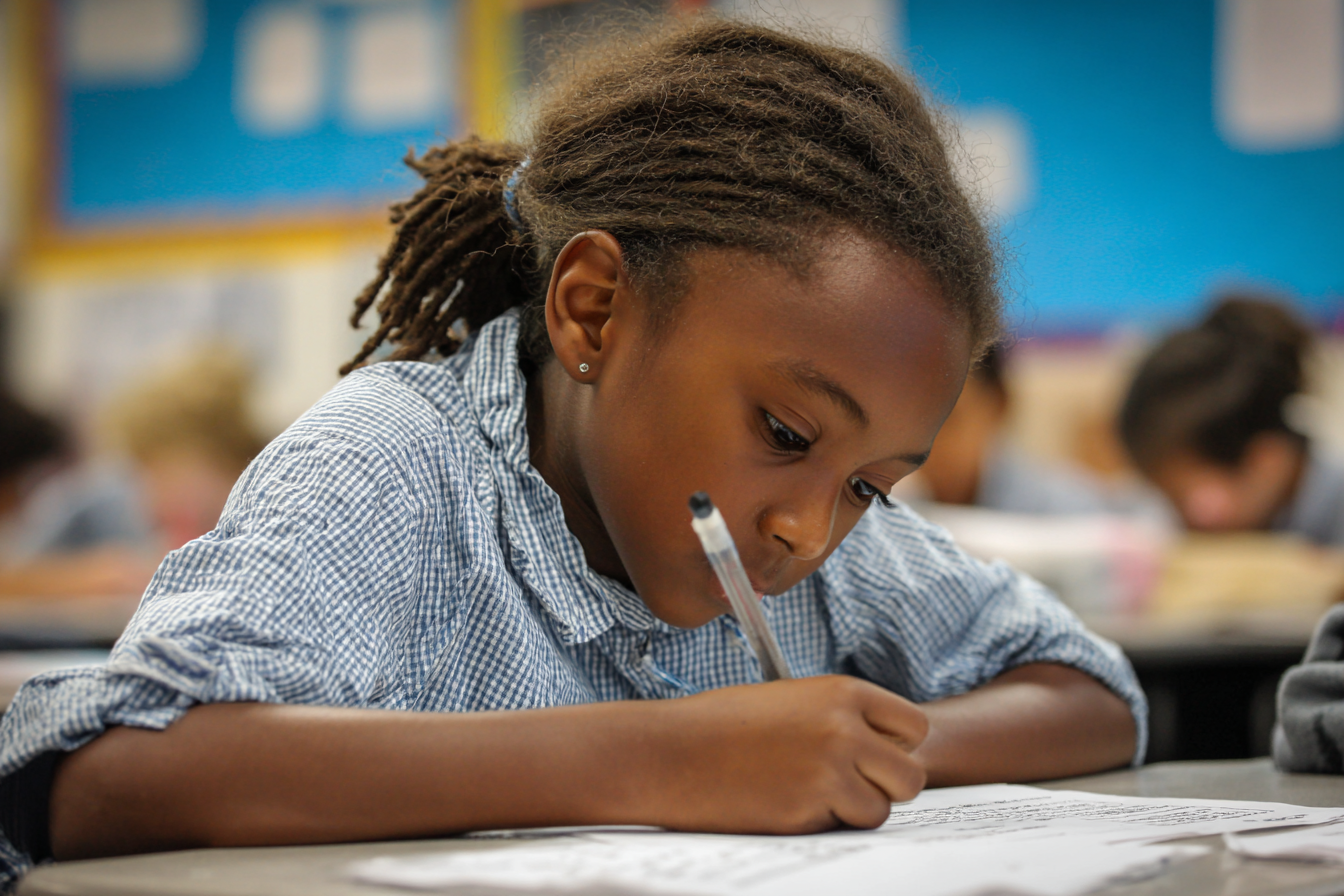
Focus: Study real citizens who make a difference in their communities and use their stories to inspire a simple class service project. Students learn how everyday people—kids and adults—show responsible citizenship through respect, inclusion, and caring for shared spaces, and they practice communicating conclusions and action plans using posters, letters, or simple PSAs.
Grade Level: 3
Subject Area: Social Studies (Civics • Inquiry/Action)
Total Unit Duration: 5 sessions (one week), 45–60 minutes per session
I. Introduction
In this unit, students explore what it means to be a citizen who makes a difference. They read and discuss short stories or profiles of real people (including kids) who helped their communities—by starting a kindness club, cleaning up a park, writing to leaders, or creating safety reminders. Students identify what problems these people noticed, what actions they took, and how those actions helped others. Then, the class uses inquiry and action to choose a simple service project (such as a hallway care pledge, thank-you campaign, or mini awareness poster series) and plan how to share their message with others. By the end, students see themselves as capable change-makers in their own school and neighborhood.
Essential Questions
- What does it mean to be a citizen who makes a difference?
- How have real people—kids and adults—worked to improve their communities?
- How can we show responsible citizenship through respect, inclusion, and care for shared spaces?
- How can we communicate our ideas and actions to others using posters, letters, or simple PSAs?
- What is one service project our class can do to help our school or community right now?
II. Objectives and Standards
Learning Objectives — Students will be able to:
- Describe at least two real citizens (kids or adults) who made a positive difference in their community, including what problem they noticed and what actions they took.
- Explain how those actions showed responsible citizenship, such as respect, inclusion, or care for shared spaces.
- Work with classmates to identify a small, realistic need in the classroom, school, or local community that they can help with.
- Help plan a simple class service project (e.g., clean-up, kindness notes, thank-you campaign, awareness posters) connected to that need.
- Communicate conclusions and action plans using a chosen format (poster, slide, letter, or simple script for a PSA/announcement).
- Reflect on their own role in the project and one way they can continue to be a citizen who makes a difference.
Standards Alignment — 3rd Grade (C3-based custom)
- 3.C3.Civ.5 — Demonstrate responsible citizenship (respect, inclusion, digital and physical care of shared spaces).
- Example: Draft a “Hallway Care” pledge and monitor progress.
- 3.C3.Inq.5 — Communicate conclusions and propose informed actions (posters, slides, letters, podcasts).
- Example: Create a class PSA about crosswalk safety with two evidence-based reasons.
Success Criteria — Student Language
- I can tell a story about a real person who helped their community and explain what they did.
- I can explain how their actions showed responsible citizenship (respect, inclusion, or care for shared spaces).
- I can help my class choose and plan a simple service project that helps our school or community.
- I can use posters, letters, or a short script to share our ideas and action plan with others.
- I can name at least one way I can be a citizen who makes a difference.