Unit Plan 22 (Grade 4 Art): Comparative Artwork Study
Grade 4 art unit comparing artworks across cultures, analyzing elements and design to explain mood, emphasis, and how art reflects cultural traditions and history.

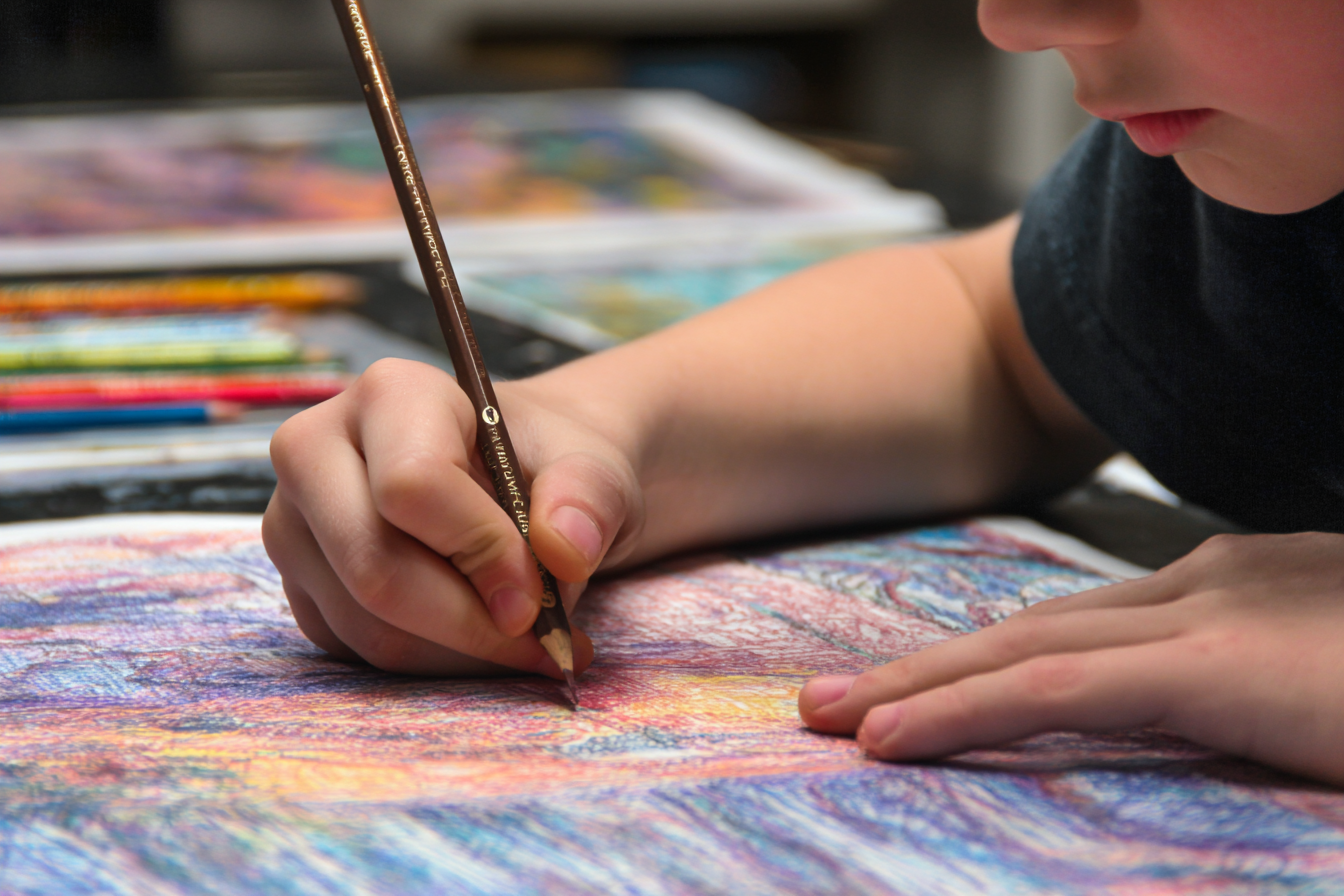
Focus: Compare artworks from different cultures, analyzing how elements of art and principles of design create mood and emphasis, and how art reflects cultural traditions and events.
Grade Level: 4
Subject Area: Art (Visual Arts • Responding/Connecting)
Total Unit Duration: 1–3 weeks, 50–60 minutes per session
I. Introduction
In this unit, students become “art detectives,” closely examining artworks from different cultures and time periods. They look for how artists use color, line, shape, pattern, balance, and emphasis to create a certain mood and organize the composition. Students also learn basic background information about each artwork so they can connect it to cultural traditions or historical events. By comparing artworks side by side and responding in their own words and sketches, students build visual literacy and respect for diverse artistic traditions.
Essential Questions
- How do artists from different cultures use elements of art and principles of design to create mood and emphasis?
- In what ways can an artwork show cultural traditions, daily life, or important events from a place or group of people?
- How does comparing two artworks help me notice more details and understand them more deeply?
- How can studying art from many cultures help us show respect, curiosity, and understanding for others?
II. Objectives and Standards
Learning Objectives — Students will be able to:
- Observe and describe at least two artworks from different cultures, naming visible elements of art (color, line, shape, texture) and principles of design (pattern, balance, emphasis).
- Explain how specific choices (e.g., warm or cool colors, strong lines, repeated patterns) affect the mood, emphasis, and structure of an artwork.
- Identify and describe at least one cultural tradition or historical detail represented in each artwork using simple background information.
- Complete a comparison organizer that highlights similarities and differences between artworks from different cultures.
- Share a short written or oral response that explains how one artwork reflects its culture and how it makes them feel or think.
Standards Alignment — 4th Grade (NCAS-Aligned)
- VA:Re7.4a — Analyze how elements of art and principles of design create mood, emphasis, and structure.
- Example: Students identify how warm colors create energy in a painting.
- VA:Cn11.4a — Describe how art reflects cultural traditions or historical events.
- Example: Students explore traditional art forms from different regions.
Success Criteria — Student Language
- I can point to and name elements of art and principles of design in artworks (like color, line, pattern, and balance).
- I can explain how these choices help create a certain mood or draw attention to important parts of the artwork.
- I can describe at least one way an artwork connects to a culture, tradition, or event.
- I can fill out a comparison chart that shows how two artworks from different cultures are similar and different.
- I can share my ideas respectfully and show curiosity about art from cultures that may be different from my own.