Unit Plan 36 (Grade 4 Library): Celebration of Reading, Inquiry, and Library Growth
Celebrate Grade 4 library growth with a reflection unit on favorite books, inquiry experiences, reading identity, and the skills students will carry forward.

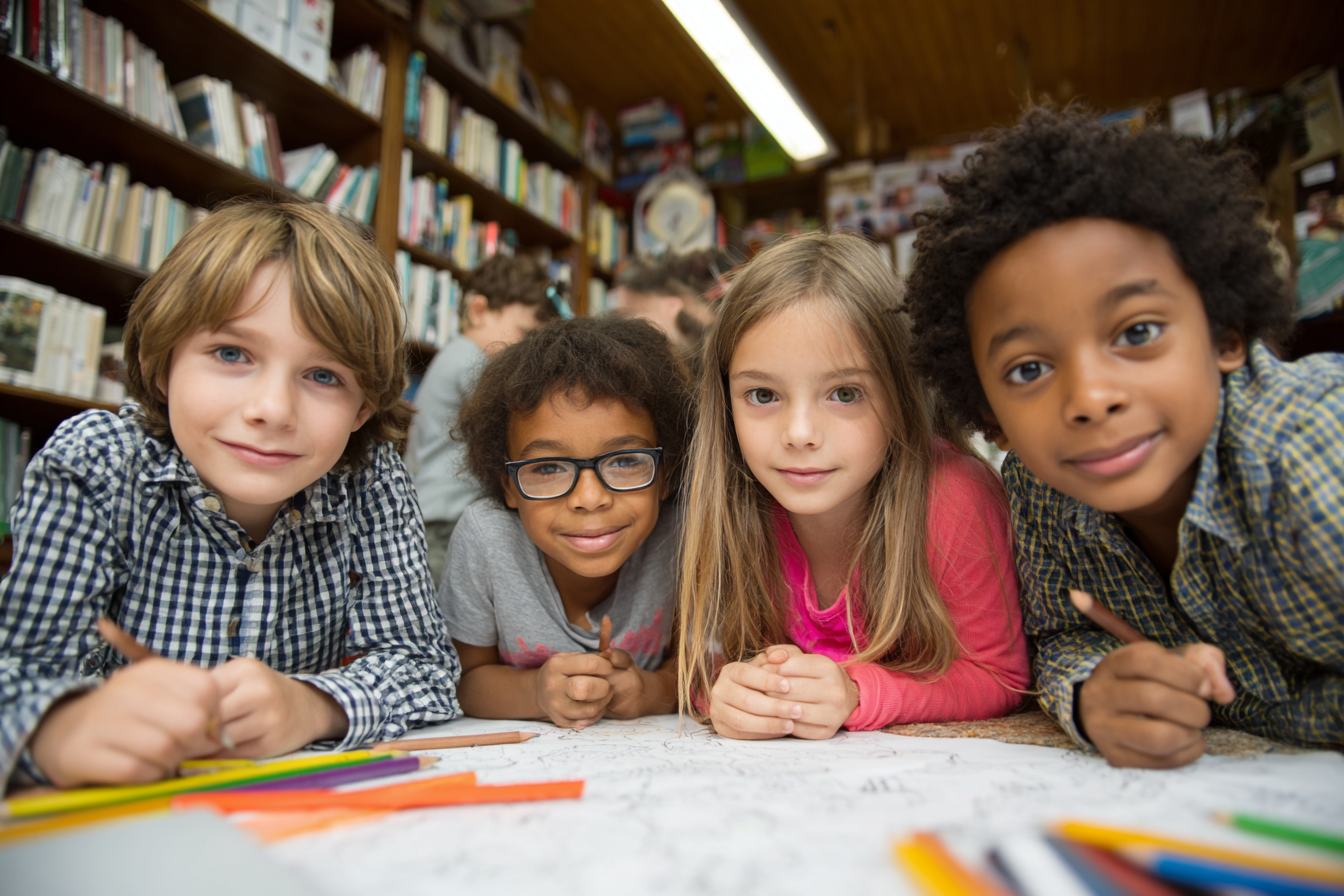
Focus: Celebrate students’ growth as readers, inquirers, thinkers, and library learners by revisiting favorite books, favorite inquiry experiences, and favorite ways of learning in library. Students reflect on how they grew in independence, discussion, and source use, while honoring that different readers and learners may value different books, topics, and experiences.
Grade Level: 4
Subject Area: Library (Reflection • Reading/Inquiry • Community Celebration)
Total Unit Duration: 1–3 weeks, 50–60 minutes per session
I. Introduction
This final unit celebrates the year by giving Grade 4 students time to look back at what they loved, what they learned, and how they changed in library. Through a final read-aloud, reflection activities, discussion, and student-choice experiences, students revisit favorite books, favorite inquiry topics, and favorite ways of responding to ideas. The tone of the unit is joyful and affirming, while also helping students recognize that they are ending the year with stronger independence, stronger discussion habits, and more confidence using sources and library tools. Students are encouraged to notice that different learners may choose different favorites and that these thoughtful differences are part of what makes library meaningful.
Essential Questions
- What books, topics, and library experiences mattered most to me this year?
- How have I grown as a reader, inquirer, and library learner?
- How do different readers and learners value different books, topics, and perspectives?
- How can I celebrate my growth and the growth of others in a respectful, thoughtful way?
II. Objectives and Standards
Learning Objectives — Students will be able to:
- Ask purposeful questions about stories, information, media, images, and topics introduced in library.
- Recognize that readers and learners may choose different books, sources, and perspectives, and that thoughtful differences belong in the library.
- Use reading, writing, discussion, art, building, technology, or presentation to explore and respond to favorite library experiences and learning growth.
- Participate respectfully in reading, listening, discussing, viewing, creating, and sharing in the library.
- Reflect on favorite books, inquiry experiences, and learning habits from the year and explain why they mattered.
- (Optional Sessions) Deepen celebration and reflection through student-choice activities, more developed sharing, and additional opportunities to honor different reading and learning paths.
Standards Alignment — 4th Grade (AASL-based Custom)
- L:S1.4a — Ask purposeful questions about stories, information, media, images, and topics introduced in library.
- Example: A student asks, “What causes volcanoes to erupt, and why do some erupt more often than others?” during a nonfiction topic study.
- L:S2.4c — Recognize that readers and learners may choose different books, sources, and perspectives, and that thoughtful differences belong in the library.
- Example: A student understands that classmates may prefer different genres or interpret a story differently, and that those differences can strengthen discussion.
- L:S5.4a — Use reading, writing, discussion, art, building, technology, or presentation to explore and respond to ideas from library lessons.
- Example: A student creates a written or visual response showing how a story’s theme connects to a character’s actions.
- L:S6.4c — Participate respectfully in reading, listening, discussing, viewing, creating, and sharing in the library.
- Example: A student contributes to discussion, listens actively, and responds appropriately during partner, small-group, and whole-class learning.
Success Criteria — Student Language
- I can reflect on my favorite books, topics, and library experiences from the year.
- I can ask thoughtful questions that help me and others remember and celebrate learning.
- I can respect that other readers and learners may have different favorites and different perspectives.
- I can use discussion, writing, art, technology, or another response format to show my growth.
- I can participate respectfully while celebrating my own learning and the learning of others.