Unit Plan 23 (Grade 4 Music): Music Around the World
Grade 4 music unit exploring world cultures through listening, connecting music to other arts, school subjects, varied contexts, and daily life.

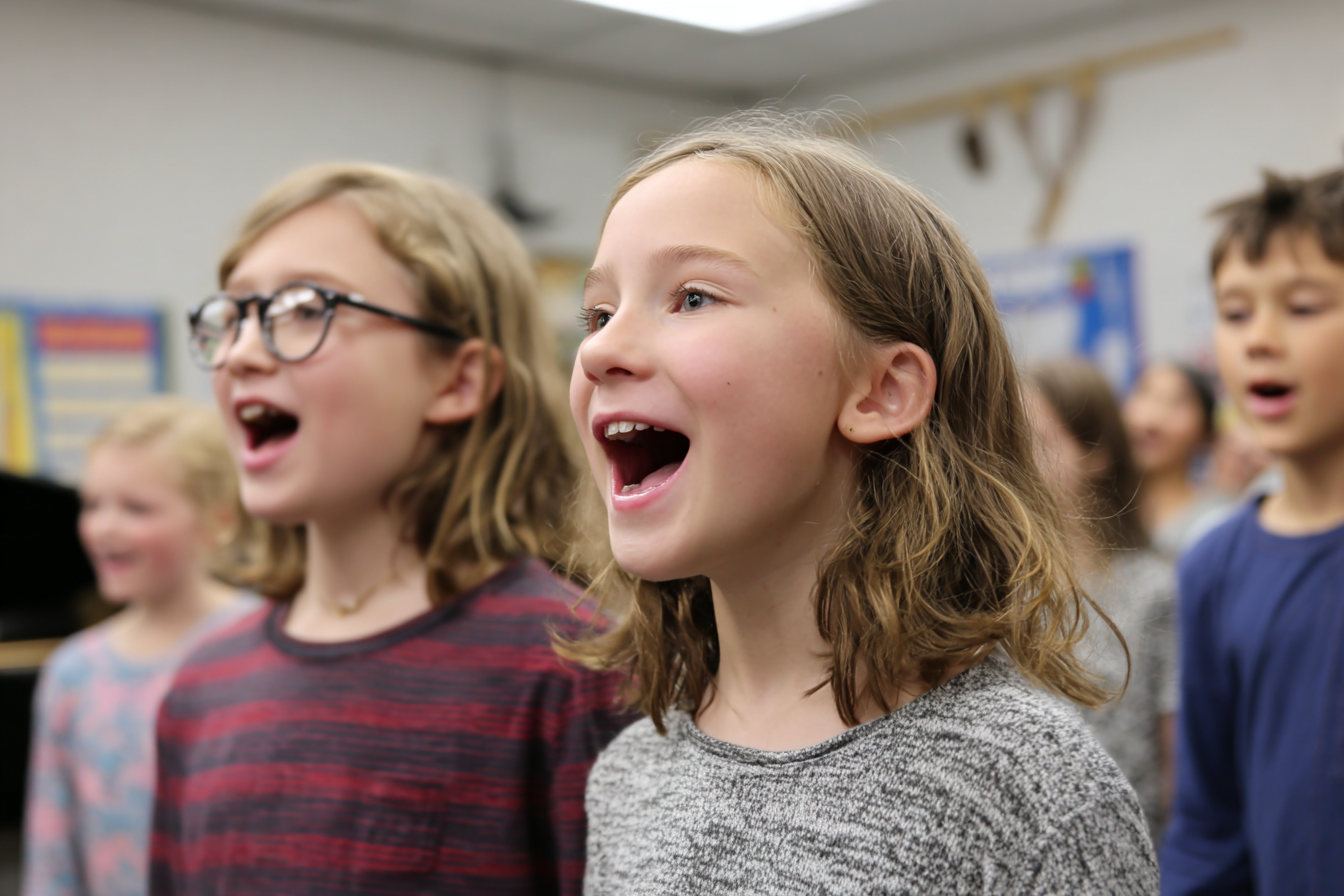
Focus: Explore music from different cultures and traditions, connecting it to other arts, school subjects, varied contexts, and daily life.
Grade Level: 4
Subject Area: Music (General Music)
Total Unit Duration: 1 required session + up to 2 optional sessions, 50–60 minutes each
I. Introduction
Students travel the “world” through music by listening to selections from different cultures and traditions. They notice instruments, rhythms, languages, and performance styles, then connect each piece to dance, visual art, geography, history, and everyday activities. By the end of the unit, students can explain how a piece of music fits its cultural context and how it connects to other parts of life, at school and beyond.
Essential Questions
- How does music from different cultures and places connect to people’s daily lives, celebrations, and traditions?
- What can we learn about a culture by listening to its instruments, rhythms, and songs, and by noticing how people move or dress with the music?
- How do other arts (dance, visual art), school subjects (social studies, language arts), and contexts (festivals, ceremonies, work) help us better understand music from around the world?
II. Objectives and Standards
Learning Objectives — Students will be able to:
- Listen to and describe music from at least two different cultures, naming instruments, tempo, and overall mood.
- Explain at least one connection between a piece of music and another art form (such as dance, visual art, drama) or school subject (such as history or geography).
- Identify how a musical selection fits a cultural or daily-life context (such as celebrations, ceremonies, work, games, or storytelling).
- Create a simple “Music Around the World” connection map or one-pager showing how music links to context, arts, and daily life.
Standards Alignment — Grade 4 Music (NAfME-Aligned)
- MU:Cn11.0.4a — Demonstrate understanding of relationships between music and other arts, other disciplines, varied contexts, and daily life.
- Example: Connecting music to dance, history, or science of sound.
Success Criteria — Student Language
- I can describe what I hear in a piece of music (instruments, tempo, mood) and say what culture or region it might be from.
- I can tell how a piece of music is connected to dance, art, stories, or history in its culture.
- I can explain how people might use this music in daily life (for work, celebration, religious events, games, or ceremonies).
- I can create a clear visual or written product (chart, one-pager, or mini-poster) that shows how music connects to other arts, school subjects, and daily life.