Unit Plan 36 (Grade 4 PE): Activity Festival & Lifelong Movement Reflection
Celebrate Grade 4 PE with an activity festival—boost participation, reflect on health benefits, and help students plan lifelong ways to stay active at school, home, and in their community.

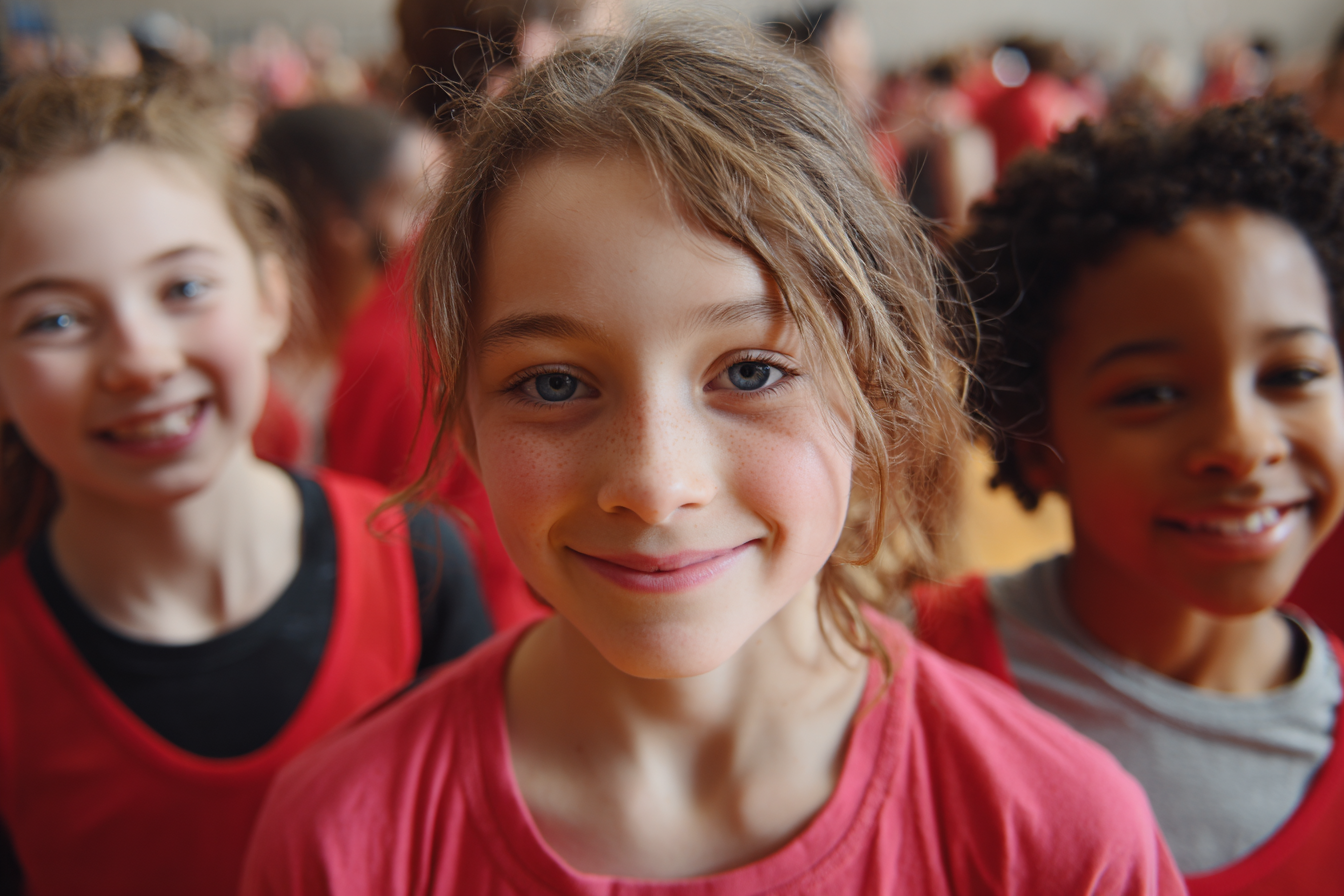
Focus: Celebrate student growth through favorite activities, help students explain the health and social benefits of PE, and support them in naming realistic ways to stay active beyond Grade 4.
Grade Level: 4
Subject Area: Physical Education (Activity Festival • Reflection & Wellness • Lifelong Movement)
Total Unit Duration: 1 core session + 2 optional sessions (1–3 weeks), 50–60 minutes per session
I. Introduction
Students close the year by revisiting favorite movement experiences and reflecting on how physical activity can remain part of life beyond elementary school. In this unit, students begin with a class-voted favorite warm-up from the year so they can reconnect with a routine they enjoyed and remember how much they have learned in Grade 4 PE. They then participate in festival rotations featuring 3–4 favorite activities from the year, such as soccer, basketball, Frisbee golf, and dance, before ending with a reflection on favorite ways to move, healthy habits, and opportunities to stay active at school, at home, and in the community. Throughout the unit, students focus on joy, participation, health, friendship, and the idea that movement can be part of their lives for many years.
Essential Questions
- Which PE activities did I enjoy most this year, and why?
- How does regular movement help my body, my mood, and my relationships with others?
- What healthy choices help me stay active and feel my best?
- How can I stay active after Grade 4 at school, at home, and in my community?
II. Objectives and Standards
Learning Objectives — Students will be able to:
- Participate actively in favorite PE activities for most of class time.
- Describe healthy choices that support active living, such as hydration, sleep, regular movement, and balanced screen time.
- Identify favorite activity types and explain why they are enjoyable or satisfying.
- Explain physical, mental, and social benefits of regular physical activity.
- Identify lifelong activities and name places or opportunities where they can stay active beyond Grade 4.
Standards Alignment — 4th Grade (SHAPE America-based custom)
- PE:S3.4a – Active Participation in MVPA Participate actively in moderate-to-vigorous physical activity (MVPA) for most of the class, minimizing off-task time.
- Example: During fitness circuits, stations, or games, students remain engaged and moving rather than standing and watching others.
- PE:S3.4e – Healthy Lifestyle Choices Describe daily choices that support physical health, such as regular physical activity, adequate sleep, hydration, and balanced screen time.
- Example: Students list being active at recess, walking a pet, and limiting screen time as part of a healthy daily routine.
- PE:S5.4a – Enjoyment & Preference for Activity Types Express enjoyment of various physical activities and identify personal favorites, explaining why they are fun or satisfying.
- Example: Students share that they enjoy basketball because they like teamwork and fast-paced play, or dance because of music and expression.
- PE:S5.4b – Health, Mental, and Social Benefits Explain how regular physical activity can improve physical health (strength, endurance, healthy weight), mental well-being (reduced stress, improved mood), and social connections (friendships, teamwork).
- Example: Students describe feeling happier and calmer after active play and note that games help them make friends.
- PE:S5.4c – Identifying Lifelong Physical Activities Identify physical activities they can participate in now and into adulthood (e.g., walking, biking, swimming, hiking, recreational sports, dance).
- Example: Students list biking, jogging, swimming, and family walks as things they can continue beyond school.
- PE:S5.4d – Seeking & Using Physical Activity Opportunities Recognize and seek out opportunities to be active at school (recess, clubs, walking programs) and at home or in the community (parks, teams, neighborhood play).
- Example: Students mention joining a youth sports team, riding bikes in the neighborhood, or using a local park as ways to be active.
Success Criteria — Student Language
- I can stay active during our festival activities.
- I can explain healthy choices that help me stay ready to move.
- I can describe which PE activities I enjoy most and why.
- I can explain how physical activity helps my body, mood, and friendships.
- I can name activities and places that can help me stay active after Grade 4.
III. Materials and Resources
Tasks & Tools (teacher acquires/curates)
- General Equipment
- Cones to mark festival stations, rotation paths, waiting zones, and reflection area.
- Whistle and visual stop/go signal.
- Whiteboard or poster showing the festival rotation order, station rules, and reflection prompts.
- Clipboards, pencils, or reflection sheets if used.
- Warm-Up Equipment
- Equipment that matches the class-voted favorite warm-up from the year.
- Optional class vote chart or warm-up choice display.
- Optional music if the warm-up includes dance or rhythm movement.
- Game/Activity Equipment
- Soccer station: soccer balls, cones, goals.
- Basketball station: basketballs, hoops, floor markers.
- Frisbee golf station: Frisbees and target cones/buckets/hoops.
- Dance station: music and open space.
- Additional favorite activity equipment if the class selection changes.
- Optional role cards such as station starter, equipment helper, encourager, and reflection helper.
- Reflection & Assessment Tools
- Teacher checklist for participation, wellness understanding, preference reflection, and lifelong activity connections.
- Exit slips or reflection sheets.
- Optional anchor chart for “Ways I can stay active after Grade 4.”
Preparation
- Determine the class-voted favorite warm-up and prepare the needed equipment and space.
- Select 3–4 favorite Grade 4 activities for the festival and set up clearly marked stations.
- Post clear rotation directions and station expectations so students can move independently and safely.
- Prepare reflection prompts connected to health benefits, enjoyment, lifelong activity, and future opportunities for movement.
- Review and post safety reminders: stay in your station area, use equipment correctly, rotate on signal, encourage respectfully, walk between stations, and help clean up equipment before leaving.
Common Misconceptions to Surface
- “PE only matters while I am in school.” → Many PE activities connect to lifelong movement and wellness habits.
- “The only valuable activities are competitive sports.” → Lifelong physical activity can include walking, dance, yoga, Frisbee golf, biking, and many other recreation choices.
- “Healthy living only means exercising.” → Sleep, hydration, nutrition, and screen balance also support active living.
- “If I am not the best at an activity, it cannot be one of my favorites.” → Students can enjoy and continue activities for fun, social connection, or personal challenge, not only skill level.
Key Terms (highlight in lessons) festival, reflection, wellness, healthy choices, favorite, lifelong activity, community, benefits, active, opportunity, enjoyment, movement
IV. Lesson Procedure
(Each lesson follows: Launch → Warm-up → Game/Activity → Reflect. Timing for a 50–60 minute block.)
Session 1 — Core Session: Favorite Warm-Up & Festival Rotation Introduction
- Launch (5–7 min)
- Students gather in a central meeting area where the festival stations and reflection goal are explained.
- Teacher explains that today’s purpose is to celebrate growth, enjoy favorite activities, and begin thinking about how PE connects to life beyond Grade 4.
- Teacher briefly previews each festival station and the rotation order.
- Warm-up (12–15 min)
- Equipment: Equipment for the class-voted favorite warm-up.
- Set-Up:
- Students move into the area needed for the selected warm-up.
- Teacher reviews the rules for that warm-up before the class begins.
- If student helpers are used, they stand in teacher-approved spots and help demonstrate the routine.
- Procedure:
- Students complete the class-voted favorite warm-up from the year.
- Teacher encourages students to remember why the class enjoyed this warm-up and how it helped them get ready to move.
- If needed, the teacher pauses briefly to connect the warm-up to student growth over the year.
- Rules:
- The warm-up is played using the same class-approved rules that were taught when the warm-up was first introduced earlier in the year.
- Students must stay inside the marked warm-up area, follow the teacher’s start and stop signals, and use the correct safety rules for that specific warm-up.
- If the warm-up includes tagging, students use light safe tags only; if it includes dance or rhythm, students stay in their own movement space; if it includes dynamic movement, students follow the teacher-approved sequence and direction.
- Student helpers, if used, may only lead teacher-approved parts of the warm-up and must model safe behavior.
- On whistle or freeze cue, all movement stops immediately and students look to the teacher.
- Game/Activity – Festival Rotations of Favorite Activities (20–25 min)
- Equipment: Station equipment for 3–4 favorite activities such as soccer, basketball, Frisbee golf, and dance.
- Set-Up:
- Set up clearly marked festival stations.
- Divide students into small groups and assign a starting station.
- Review the rules and safety reminders for each station before students begin.
- Procedure:
- Students rotate through the festival stations, participating in short rounds at each favorite activity.
- Teacher encourages students to notice which activities feel most energizing, enjoyable, social, or calming.
- Student helpers may assist with simple station responsibilities such as starting the activity or organizing equipment.
- Rules:
- The activity is played as a festival rotation, and students must remain at their assigned station until the teacher signals the next rotation.
- At soccer, students stay within boundaries, use safe foot skills, and follow the station’s passing/shooting or small-game rule.
- At basketball, students use the designated hoop or area, retrieve balls safely, and avoid entering another station’s space.
- At Frisbee golf, students throw only from the tee or marked line and wait until the target area is clear before throwing.
- At dance, students remain in the marked dance area and use safe, school-appropriate movement.
- Students must stay active, use equipment correctly, and help reset the station before rotating.
- Reflect (5 min)
- Prompt: “Which festival activity still feels like one of your favorites, and why?”
Optional Session 2 — Health, Wellness & Favorite Activity Reflection
- Launch (5–7 min)
- Review that favorite activities are even more valuable when students understand how they support health and wellness.
- Ask: “How do healthy choices outside PE help you enjoy movement more?”
- Warm-up (12–15 min)
- Equipment: Same equipment for the class-voted favorite warm-up.
- Set-Up:
- Use the same warm-up format from Session 1.
- Students move into position more independently.
- Teacher reminds students to use the same familiar safety rules.
- Procedure:
- Students complete the class-voted favorite warm-up again with more independence and stronger student participation.
- Teacher may briefly connect the warm-up to healthy habits such as getting enough sleep, drinking water, and being active regularly.
- Rules:
- The warm-up continues to use the same approved rules and safety expectations from Session 1 and from when the warm-up was originally learned.
- Students must still stay in the correct warm-up area, follow cues promptly, and respect classmates’ space.
- Students may not change the rules of the warm-up on their own or turn it into a different activity.
- Freeze and reset rules still apply exactly as taught.
- Game/Activity – Festival Rotations with Wellness Connections (20–25 min)
- Equipment: Same favorite activity station equipment plus optional reflection cards.
- Set-Up:
- Use the same festival station layout.
- Teacher may add a brief reflection card or question at each station, such as:
- How does this activity help your body?
- How does this activity help your mood?
- Could this be a lifelong activity?
- Students rotate in small groups again.
- Procedure:
- Students participate in favorite activities and then complete a quick verbal or written reflection at one or more stations.
- Teacher reinforces connections between PE and healthy choices such as hydration, sleep, active free time, and balanced screen habits.
- Rules:
- The festival continues as a timed station rotation, and students must remain at each station until the teacher gives the rotation cue.
- Students must follow the exact station rules and safety expectations already taught in Session 1.
- If reflection cards are used, students should complete them honestly and quickly without delaying the next group’s turn.
- Students must still stay active during the activity block and not spend the whole station time only talking or writing.
- Equipment must be reset neatly before the group leaves the station.
- Reflect (5 min)
- Prompt: “How do healthy choices like sleep, hydration, and regular activity help you enjoy movement more?”
Optional Session 3 — Lifelong Movement Reflection & Grade 4 PE Celebration
- Launch (5–7 min)
- Explain that today students will celebrate their PE growth and think about how to stay active after Grade 4.
- Review that favorite activities can connect to lifelong movement choices in many places beyond school.
- Warm-up (12–15 min)
- Equipment: Same equipment for the class-voted favorite warm-up, optional student cue cards.
- Set-Up:
- Use the same warm-up setup students already know.
- Teacher may invite a student helper to lead one teacher-approved part of the warm-up.
- Procedure:
- Students complete a final round of the class-voted favorite warm-up as part of the year-end celebration.
- Teacher watches for strong participation, confidence, and safe independence.
- Rules:
- The warm-up is played using the same class-approved rules as before, and all students must continue to follow boundaries, stop signals, and activity-specific safety expectations.
- Student helpers, if used, may only lead teacher-approved parts of the warm-up and must follow the same rules as everyone else.
- Students must show strong participation and respectful behavior throughout the warm-up.
- Game/Activity – Festival Showcase & Lifelong Movement Reflection (20–25 min)
- Equipment: Favorite station equipment, reflection sheets or exit slips, pencils, optional role cards.
- Set-Up:
- Students rotate through a final set of favorite stations or spend extended time at one or two most-loved activities, depending on teacher choice.
- Reflection sheets are prepared for the final discussion or writing task.
- Teacher may assign simple roles such as equipment helper or reflection helper.
- Procedure:
- Students complete a final activity festival round, celebrating effort, growth, and enjoyment.
- Teacher then brings students together for a closing reflection on:
- favorite activities
- health and social benefits of PE
- lifelong activity options
- places and opportunities to stay active beyond Grade 4
- Students share or record at least one specific activity they want to continue and one place where they could do it.
- Rules:
- The showcase continues to use the same festival station rules taught in Sessions 1–2, including safe equipment use, boundaries, and respectful rotation.
- Students must stay active during the station block and may not leave the area without permission.
- During the final reflection, students should listen respectfully, allow classmates to share, and complete their reflection honestly.
- Cleanup is part of the activity block, so all equipment must be returned neatly before the reflection ends.
- Reflect (5–7 min)
- Prompt: “What activities do you want to continue after Grade 4, and where could you do them?”
- Optional second prompt: “How has PE helped your body, mood, or friendships this year?”
V. Differentiation and Accommodations
Advanced Learners
- Encourage students to make more detailed connections between favorite activities and lifelong fitness plans.
- Invite them to explain why one activity may be more realistic to continue than another.
- Ask them to model strong reflection and respectful celebration of classmates’ choices.
Targeted Support
- Limit the number of reflection questions at one time.
- Give repeated cues such as stay active, reset equipment, think about why you enjoy it, and name one place you can do it.
- Provide sentence starters for reflection, such as “I enjoy ___ because ___” or “I can do ___ at ___.”
- Pair students with supportive classmates during reflection and station choices.
Multilingual Learners
- Post visuals for favorite, healthy choices, lifelong activity, community, benefits, and opportunity.
- Demonstrate each station and reflection expectation clearly.
- Use gesture cues and repeated short phrases during transitions.
- Allow verbal responses before written reflection if needed.
IEP/504 & Accessibility
- Offer adapted station versions, such as shorter distances, larger targets, or simplified movement options.
- Allow students to choose among a smaller set of stations if needed.
- Provide visual reflection prompts and clearly marked station maps.
- Keep expectations, boundaries, and station routines predictable and consistent.
VI. Assessment and Evaluation
Formative Checks (daily)
- Session 1 — Students actively participate in favorite activities and begin reflecting on enjoyment and growth.
- Optional Session 2 — Students connect favorite activities to healthy choices and wellness.
- Optional Session 3 — Students identify lifelong movement options and places to stay active after Grade 4.
Summative — Activity Festival & Lifelong Movement Reflection Checklist (0–2 per criterion, total 10)
- Active Participation in MVPA (PE:S3.4a)
- 2: Stays actively involved in warm-up and festival activities for most of class with strong effort.
- 1: Usually participates, but activity level varies.
- 0: Frequently disengages or needs reminders to stay active.
- Healthy Lifestyle Choices Understanding (PE:S3.4e)
- 2: Clearly explains healthy choices such as hydration, sleep, regular activity, and balanced screen time.
- 1: Identifies some healthy choices, but explanation is general or incomplete.
- 0: Rarely explains healthy lifestyle choices clearly.
- Enjoyment & Preference Reflection (PE:S5.4a)
- 2: Clearly identifies favorite activities and explains thoughtfully why they are enjoyable or satisfying.
- 1: Identifies favorite activities, but explanation is brief or general.
- 0: Rarely explains preferences clearly.
- Health, Mental & Social Benefits Understanding (PE:S5.4b)
- 2: Clearly explains how PE and physical activity support physical health, mood, and social connection.
- 1: Identifies some benefits, but explanation is incomplete.
- 0: Rarely explains the benefits clearly.
- Lifelong Activity & Opportunity Reflection (PE:S5.4c, PE:S5.4d)
- 2: Clearly identifies lifelong activity options and specific school, home, or community opportunities to stay active.
- 1: Identifies some activities or opportunities, but explanation is limited.
- 0: Rarely identifies lifelong activity options or opportunities clearly.
Feedback Protocol (TAG)
- Tell one strength (e.g., “You stayed active, reflected thoughtfully on your favorite activities, and made strong connections to staying active after Grade 4.”).
- Ask one question (e.g., “Which activity feels most realistic for you to continue, and why?”).
- Give one suggestion (e.g., “Next time, try naming one specific place or routine where you could fit that activity into your life regularly.”).
VII. Reflection and Extension
Reflection Prompts
- Which PE activities did you enjoy most this year?
- How has physical activity helped your body, mood, or friendships?
- What healthy habits help you feel ready to move?
- How can you stay active after Grade 4 at school, at home, or in your community?
Extensions
- Favorite Activities List: Students list their top 3 Grade 4 PE activities and explain why they chose them.
- Lifelong Movement Card: Students name one activity they want to continue and one place where they can do it.
- Healthy Habits Reflection: Students describe 2–3 healthy choices that help them stay ready for movement.
Standards Trace — When Each Standard Is Addressed
- PE:S3.4a — Core Session and Optional Sessions 2–3 (active participation during warm-up and festival stations).
- PE:S3.4e — Optional Sessions 2–3, with support in Core Session (discussion of hydration, sleep, regular activity, and balanced screen habits).
- PE:S5.4a — Core Session and Optional Sessions 2–3 (favorite activities, enjoyment, and preference reflection).
- PE:S5.4b — Optional Sessions 2–3, with support in Core Session (reflection on physical, mental, and social benefits of PE).
- PE:S5.4c — Optional Sessions 2–3, with support in Core Session (identifying activities students can continue beyond Grade 4).
- PE:S5.4d — Optional Sessions 2–3, with support in Core Session (naming school, home, park, and community opportunities to stay active).