Unit Plan 31 (Grade 4 PE): Lifetime Fitness & Walking/Jogging Club
Grade 4 PE walking and jogging unit builds endurance, pacing skills, and wellness habits while helping students set goals and stay active for lifelong fitness.

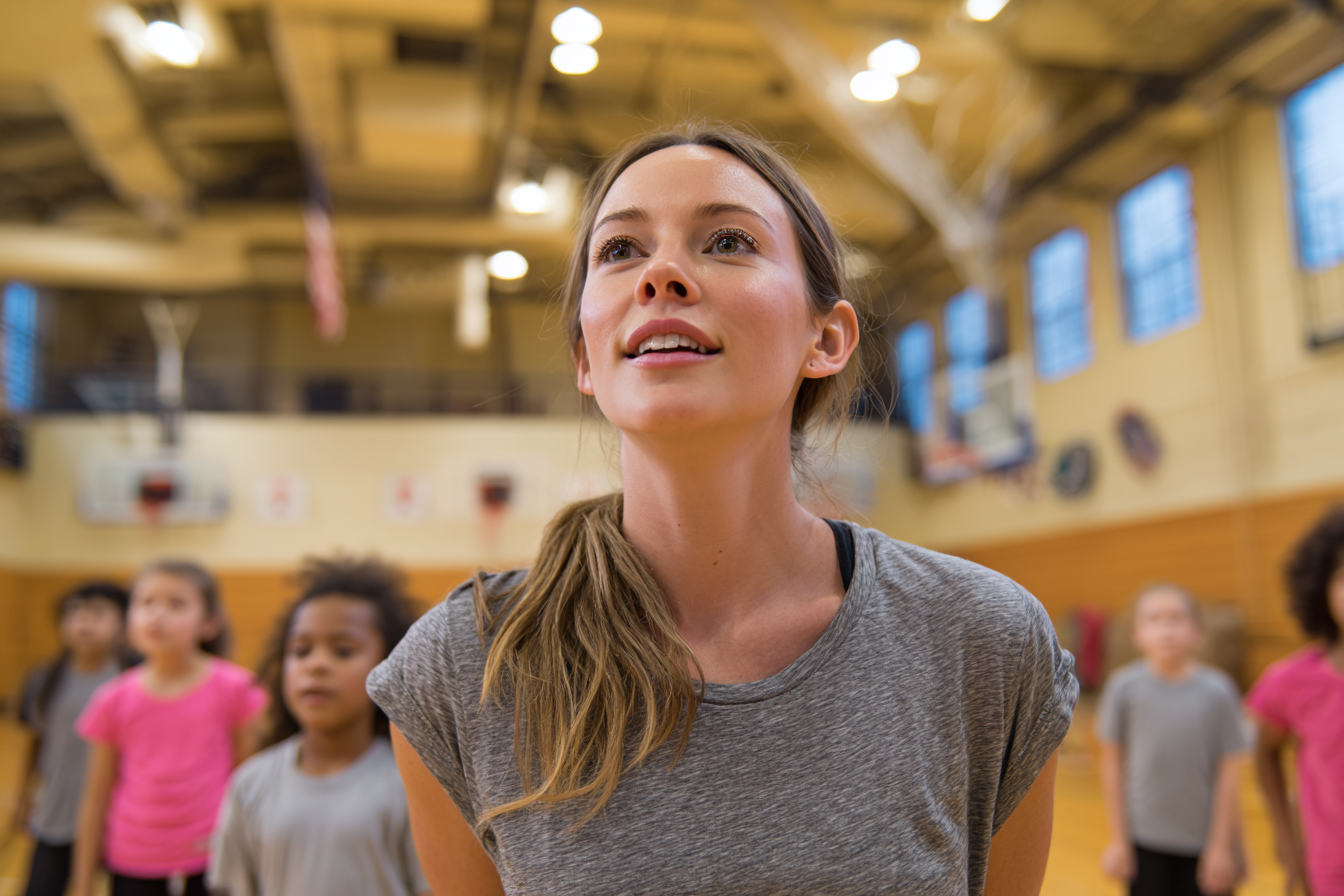
Focus: Build cardiorespiratory endurance, strengthen pacing and intensity monitoring, and help students see walking and jogging as realistic lifelong activity options.
Grade Level: 4
Subject Area: Physical Education (Lifetime Fitness • Walking/Jogging • Pacing & Wellness)
Total Unit Duration: 1 core session + 2 optional sessions (1–3 weeks), 50–60 minutes per session
I. Introduction
Students explore walking and jogging as simple, flexible activities they can use throughout life to stay healthy and active. In this unit, students begin with a slow walk to easy jog progression and set personal pace goals so they can notice how their own body responds to movement. They then apply those habits in Lap Logs, Pace Partner Work, and simple interval challenges using walk-run cycles. Throughout the unit, students focus on staying active at an appropriate pace, monitoring breathing and effort, setting realistic endurance goals, and understanding that walking and jogging can support physical health, stress reduction, and long-term wellness.
Essential Questions
- How can I choose a pace that is right for my body?
- What body signals help me know whether I am working at a light, moderate, or stronger level?
- How can walking and jogging help me build endurance over time?
- Why are walking and jogging good lifelong activity choices?
II. Objectives and Standards
Learning Objectives — Students will be able to:
- Participate actively in walking, jogging, and interval activities for most of class time.
- Use simple tools such as the talk test, breathing awareness, or effort level to monitor exercise intensity.
- Set a simple pace or lap goal and track progress over time.
- Describe healthy choices that support walking and jogging, such as hydration, sleep, and regular activity.
- Explain how walking and jogging can support physical health, mood, and overall well-being.
Standards Alignment — 4th Grade (SHAPE America-based custom)
- PE:S3.4a – Active Participation in MVPA Participate actively in moderate-to-vigorous physical activity (MVPA) for most of the class, minimizing off-task time.
- Example: During fitness circuits, stations, or games, students remain engaged and moving rather than standing and watching others.
- PE:S3.4b – Monitoring Intensity & Body Signals Use simple methods (talk test, perceived exertion, heart rate checks) to monitor exercise intensity and recognize when activity is light, moderate, or vigorous.
- Example: Students perform short running intervals, then describe whether they can talk easily, talk with effort, or need a pause to breathe.
- PE:S3.4d – Planning & Goal-Setting for Activity Set a simple fitness or activity goal (e.g., number of laps, jump rope turns, or planks held) and track progress over time.
- Example: Students record how many curl-ups they can complete at the start of a unit and then reassess at the end to see improvement.
- PE:S3.4e – Healthy Lifestyle Choices Describe daily choices that support physical health, such as regular physical activity, adequate sleep, hydration, and balanced screen time.
- Example: Students list being active at recess, walking a pet, and limiting screen time as part of a healthy daily routine.
- PE:S5.4b – Health, Mental, and Social Benefits Explain how regular physical activity can improve physical health (strength, endurance, healthy weight), mental well-being (reduced stress, improved mood), and social connections (friendships, teamwork).
- Example: Students describe feeling happier and calmer after active play and note that games help them make friends.
Success Criteria — Student Language
- I can choose a walking or jogging pace that fits my body.
- I can use breathing or the talk test to describe how hard I am working.
- I can set a lap or pace goal and track my progress.
- I can explain healthy habits that help me feel ready for endurance activity.
- I can describe how walking and jogging can help my body and mood.