Unit Plan 28 (Grade 4 PE): Rugby-Style Flag Games
Grade 4 PE rugby-style games unit plans build backward passing, support angles, safe flag pulls, and teamwork through fun, structured small-sided play.

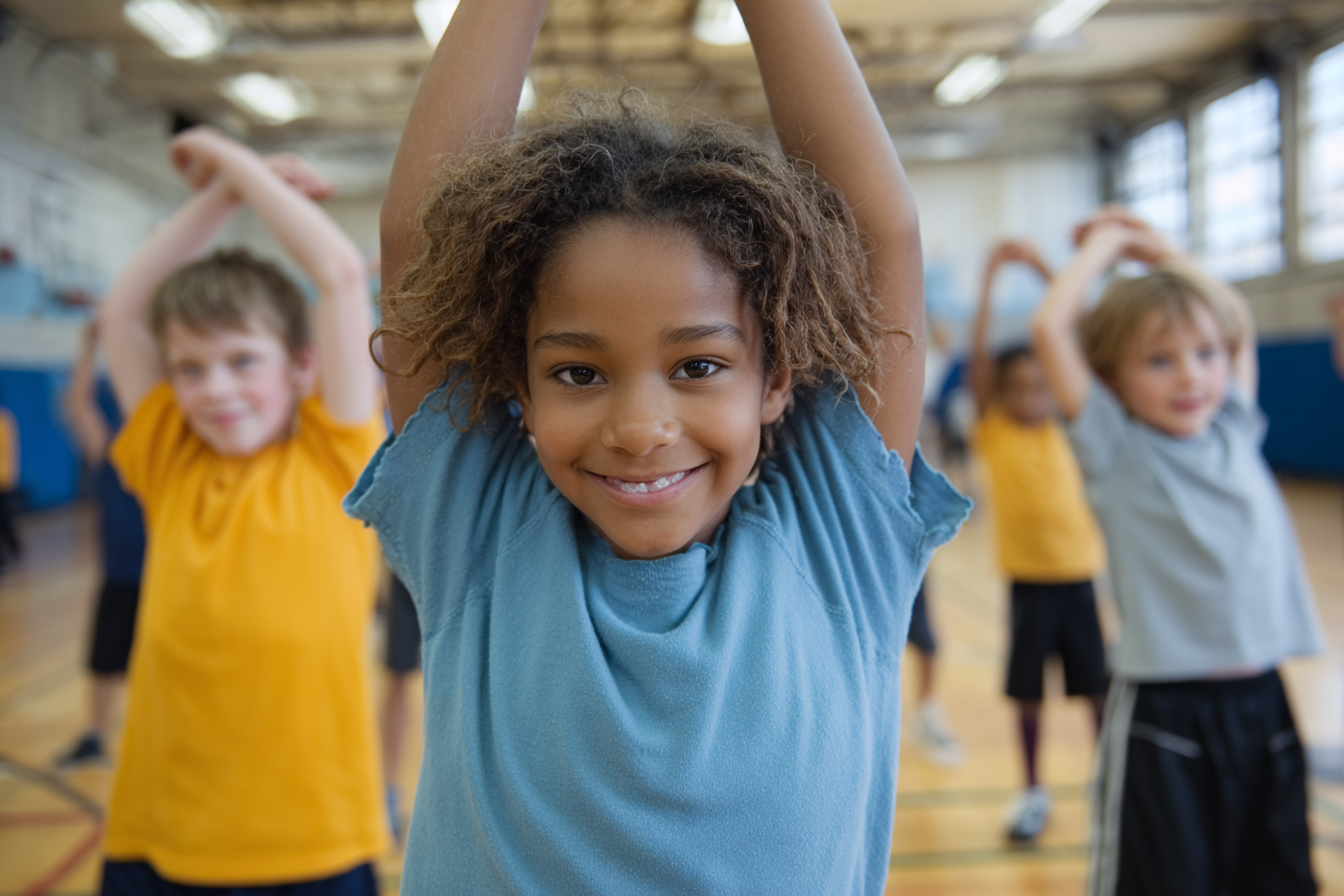
Focus: Build supporting angles, improve backward passing while moving, strengthen safe flag pulls, and help students understand simple offensive and defensive structure in rugby-style games.
Grade Level: 4
Subject Area: Physical Education (Rugby-Style Games • Passing & Support • Offense & Defense)
Total Unit Duration: 1 core session + 2 optional sessions (1–3 weeks), 50–60 minutes per session
I. Introduction
Students explore rugby-style play through a modified flag version that emphasizes teamwork, movement, and positioning instead of contact. In this unit, students begin with lateral passing lines and practice passing backward while moving forward so they can learn one of the most important structures of rugby-style games. They then apply those skills in Flag Rugby Lite, using small-sided games, endzones, and simple phase counts to help organize offense and defense. Throughout the unit, students focus on creating support angles, moving as a unit, pulling flags safely, and understanding that successful attack depends on passing support just as much as speed.
Essential Questions
- Why do players need strong supporting angles in rugby-style games?
- How can I pass backward while my team is moving forward?
- What does good defensive position look like when trying to stop an attack?
- How do rules and teamwork help rugby-style games stay safe and organized?
II. Objectives and Standards
Learning Objectives — Students will be able to:
- Use locomotor skills with control while running, changing direction, and supporting teammates in rugby-style play.
- Combine skills in sequence, such as catch → run → pass backward → support → receive again.
- Apply simple offensive strategies such as moving to support the ball carrier, creating passing angles, and advancing toward the endzone in a controlled way.
- Apply simple defensive strategies such as staying in front, protecting space, and pulling flags safely without contact.
- Follow game rules and safety procedures consistently during modified flag rugby games.
- Work cooperatively with teammates by sharing roles, encouraging others, and helping the game stay organized.
Standards Alignment — 4th Grade (SHAPE America-based custom)
- PE:S1.4a – Locomotor Skills in Dynamic Games Perform locomotor skills (run, hop, jump, leap, slide, gallop, skip) with control and efficiency while changing speed and direction in game situations.
- Example: Students use controlled sprinting, stopping, and quick changes of direction during tag, invasion games, or chasing/fleeing activities.
- PE:S1.4f – Combining Skills in Game Sequences Combine multiple skills (dribble, pass, catch, shoot, strike, run, dodge) in game-like sequences with basic fluidity.
- Example: In handball lead-up games, students catch a pass, take a few steps to open space, and then pass or shoot toward a goal.
- PE:S2.4d – Offensive Strategies in Small-Sided Games Demonstrate basic offensive strategies such as moving without the ball, creating passing lanes, using give-and-go plays, and choosing high-percentage shots.
- Example: In a 3v3 basketball or soccer game, students cut to open space to receive a pass and choose appropriate times to shoot.
- PE:S2.4e – Defensive Strategies & Position Play Demonstrate basic defensive ideas such as maintaining proper position (between opponent and goal), marking a player, and attempting legal interceptions.
- Example: A student stays between an opponent and the goal in handball or soccer, trying to block shots or intercept passes without fouling.
- PE:S4.4a – Consistent Rule-Following & Safety Consistently follow game rules, class procedures, and equipment safety guidelines without frequent reminders.
- Example: Students wait for the teacher’s signal to begin, respect boundaries, and use sticks, balls, and scooters safely.
- PE:S4.4b – Cooperation, Leadership, and Team Roles Work cooperatively with classmates, accept and share roles (captain, scorekeeper, equipment manager), and demonstrate inclusive leadership.
- Example: During small-sided games, students rotate roles fairly, encourage quieter peers to participate, and help organize teams.
Success Criteria — Student Language
- I can move to a good support spot when my teammate has the ball.
- I can catch and pass backward while my team keeps moving forward.
- I can pull a flag safely and then get back into defensive position.
- I can help my team stay organized on offense and defense.
- I can follow rugby-style rules and play safely without contact.