Unit Plan 21 (Grade 5 Orchestra): Identifying Musical Elements
Grade 5 orchestra unit where students identify beat, rhythm, pitch, tempo, and dynamics through listening, movement, and simple playing.

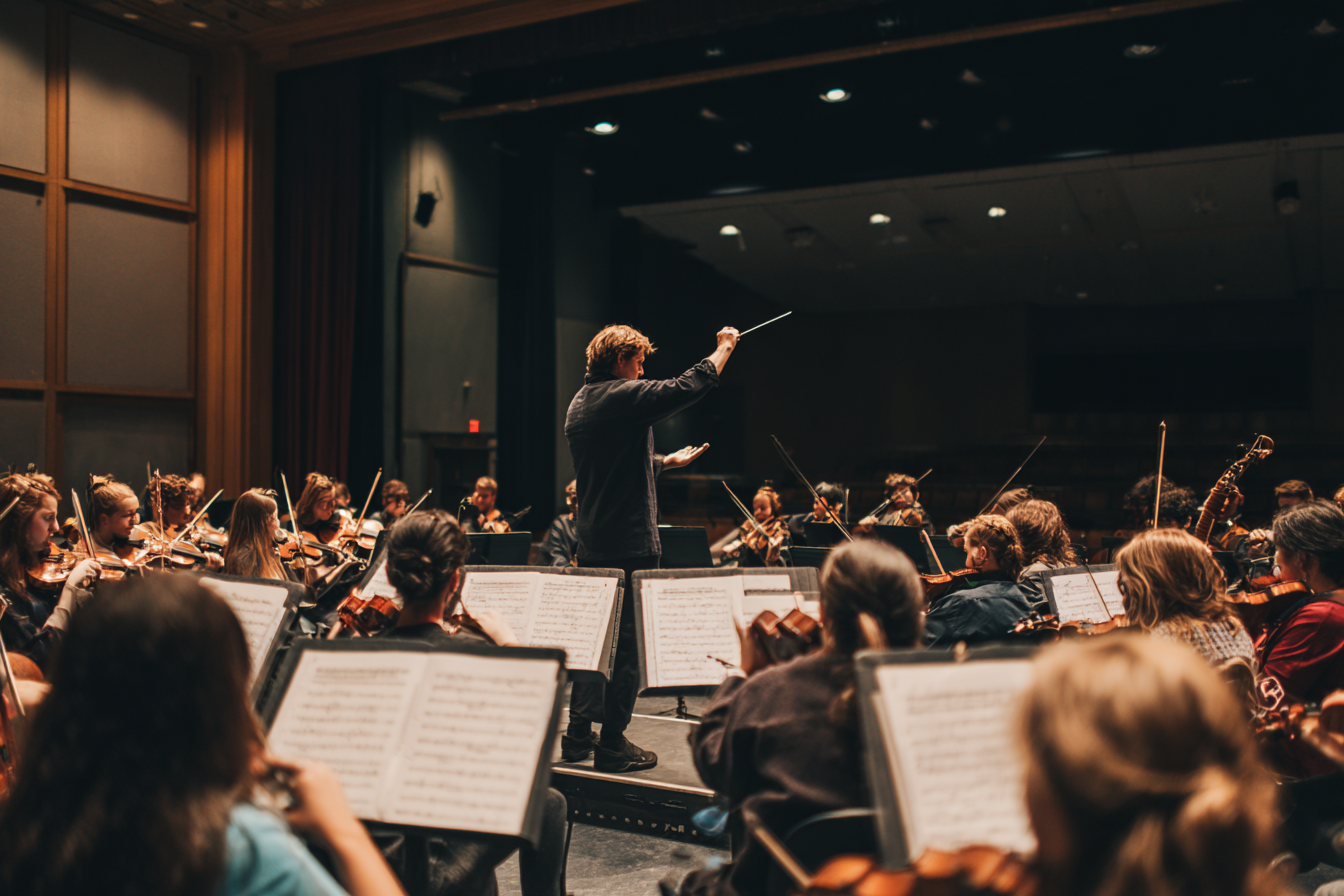
Focus: Help students identify beat, rhythm, pitch, tempo, and dynamics in orchestra music through listening, movement, and simple playing tasks.
Grade Level: 5
Subject Area: Orchestra
Total Unit Duration: 1–2 weeks, 30-minute sessions
I. Introduction
Students become “music detectives” who listen for and describe basic musical elements in orchestra music. Through short listening examples, movement, and simple playing tasks on open strings or first-finger notes, they learn to hear and label beat, rhythm, pitch, tempo, and dynamics. Students connect these elements to the music they are learning in class so they can use musical vocabulary during rehearsal and performance.
Essential Questions
- What is the difference between beat and rhythm, and how can we feel both in orchestra music?
- How do pitch (high/low), tempo (fast/slow), and dynamics (loud/soft) change the way music sounds and feels?
- How can knowing the names of musical elements help us rehearse, perform, and talk about orchestra music more clearly?
II. Objectives and Standards
Learning Objectives — Students will be able to:
- Define and identify beat, rhythm, pitch, tempo, and dynamics in orchestra music.
- Keep a steady beat (through clapping, stepping, or patting) while hearing or playing different rhythms.
- Describe differences in pitch (high vs. low) and dynamics (loud vs. soft) using examples from listening excerpts and class pieces.
- Label simple tempo and dynamic markings (e.g., fast/slow, loud/soft) on a short score excerpt or listening log.
- Complete a “Musical Elements Detective” listening chart that correctly identifies basic musical elements in a selected piece.
Standards Alignment — Grade 5 Orchestra (custom, NAfME-style)
- OR:Re7.5a — Identify basic musical elements (beat, rhythm, pitch, dynamics, tempo) in orchestra music.
- Example: Students identify whether a piece is fast or slow and loud or soft.
Success Criteria — Student Language
- I can tell what the beat is and keep it steady while I listen or play.
- I can explain how rhythm is different from the beat using examples from our music.
- I can describe when the music sounds high or low, loud or soft, and fast or slow.
- I can circle or write where tempo and dynamics change in a listening chart or on my music.
- I can use words like beat, rhythm, pitch, tempo, and dynamics to talk about what I hear.