Unit Plan 24 (Grade 5 PE): Fitness Testing, Goal Setting & Reflection
Build Grade 5 fitness skills with goal setting, FITT principles, and progress tracking through engaging PE challenges focused on personal growth and reflection.

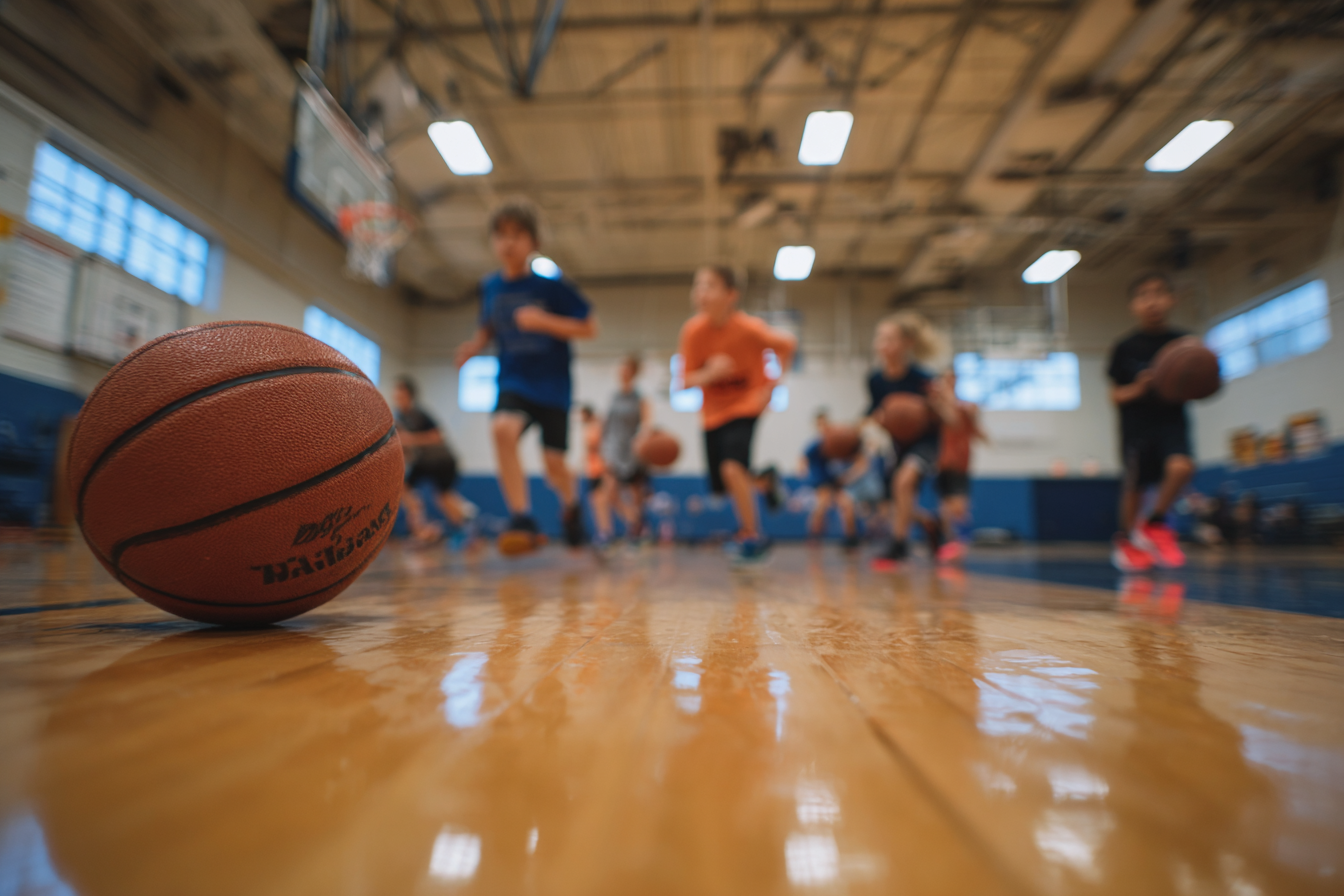
Focus: Use fitness data to set and adjust personal goals, apply FITT ideas, and reflect on progress over time through age-appropriate fitness challenges and self-monitoring.
Grade Level: 5
Subject Area: Physical Education (Personal Fitness • Goal Setting • Reflection & Progress Monitoring)
Total Unit Duration: 1 core session + 2 optional sessions (1–3 weeks), 50–60 minutes per session
I. Introduction
Students learn that fitness is not about being the best in the class, but about understanding their own starting point, setting a realistic goal, and noticing improvement over time. In this unit, students complete a dynamic warm-up followed by light movement before participating in fitness assessments or challenge tasks such as laps, curl-ups, push-ups, and jump rope. They then record results, use simple intensity tools, and reflect on how effort, pacing, consistency, and healthy choices can influence performance. The unit emphasizes that fitness data should be used to support growth, not comparison. Students practice setting short-term goals, applying FITT thinking, and reflecting honestly on what helped or hindered progress.
Essential Questions
- How can fitness data help me set a realistic and useful personal goal?
- How do effort, consistency, and FITT ideas affect fitness progress over time?
- How can I use simple tools to notice how hard I am working during fitness challenges?
- Why is personal improvement more meaningful than comparing myself to others?
II. Objectives and Standards
Learning Objectives — Students will be able to:
- Participate actively in fitness challenges and testing tasks with consistent effort and responsible pacing.
- Use simple tools such as heart-rate checks, effort scales, or the talk test to monitor intensity during activity.
- Identify major fitness components and explain basic FITT ideas: frequency, intensity, time, and type.
- Set a realistic short-term personal fitness goal based on starting data or current performance.
- Track results over time and reflect on what helped or limited progress.
Standards Alignment — 5th Grade (SHAPE America-based custom)
- PE:S3.5a – Sustained Participation in Moderate-to-Vigorous Activity Participate actively and continuously in moderate-to-vigorous physical activity (MVPA) for significant portions of class without frequent off-task behavior.
- Example: During fitness circuits or small-sided games, students remain engaged and moving, minimizing standing time between turns.
- PE:S3.5b – Monitoring Intensity with Simple Fitness Tools Use simple tools and methods (heart rate checks, perceived exertion scales, talk test, step counts) to monitor and adjust activity intensity.
- Example: After intervals of running, students check their pulse or use a 1–5 exertion scale to describe effort, then adjust pace to stay in a “target zone.”
- PE:S3.5c – Understanding Fitness Components & Training Principles Name and describe fitness components (cardiorespiratory endurance, muscular strength, muscular endurance, flexibility) and basic training ideas such as frequency, intensity, time, and type (FITT).
- Example: Students explain that jogging 3–4 times a week at a moderate pace improves endurance, while regular curl-up sets build core muscular endurance.
- PE:S3.5d – Setting, Tracking, and Reflecting on Personal Fitness Goals Set short-term, realistic fitness or activity goals, track progress over time, and reflect on factors that helped or hindered improvement.
- Example: Students record the number of curl-ups or laps they can do at the start and end of a unit and write a brief reflection about their progress.
Success Criteria — Student Language
- I can give strong effort during fitness challenges and pace myself when needed.
- I can use an effort scale, talk test, or pulse check to describe how hard I am working.
- I can explain what FITT means and connect it to one fitness goal.
- I can set a realistic personal goal based on my own results.
- I can look at my data and explain how I improved or what I should work on next.