Unit Plan 13 (Grade 5 PE): Invasion Concepts without Equipment
Build agility, fakes, and invasion-game strategy without a ball through fast-paced endzone games that improve spacing, defense, and decision-making.

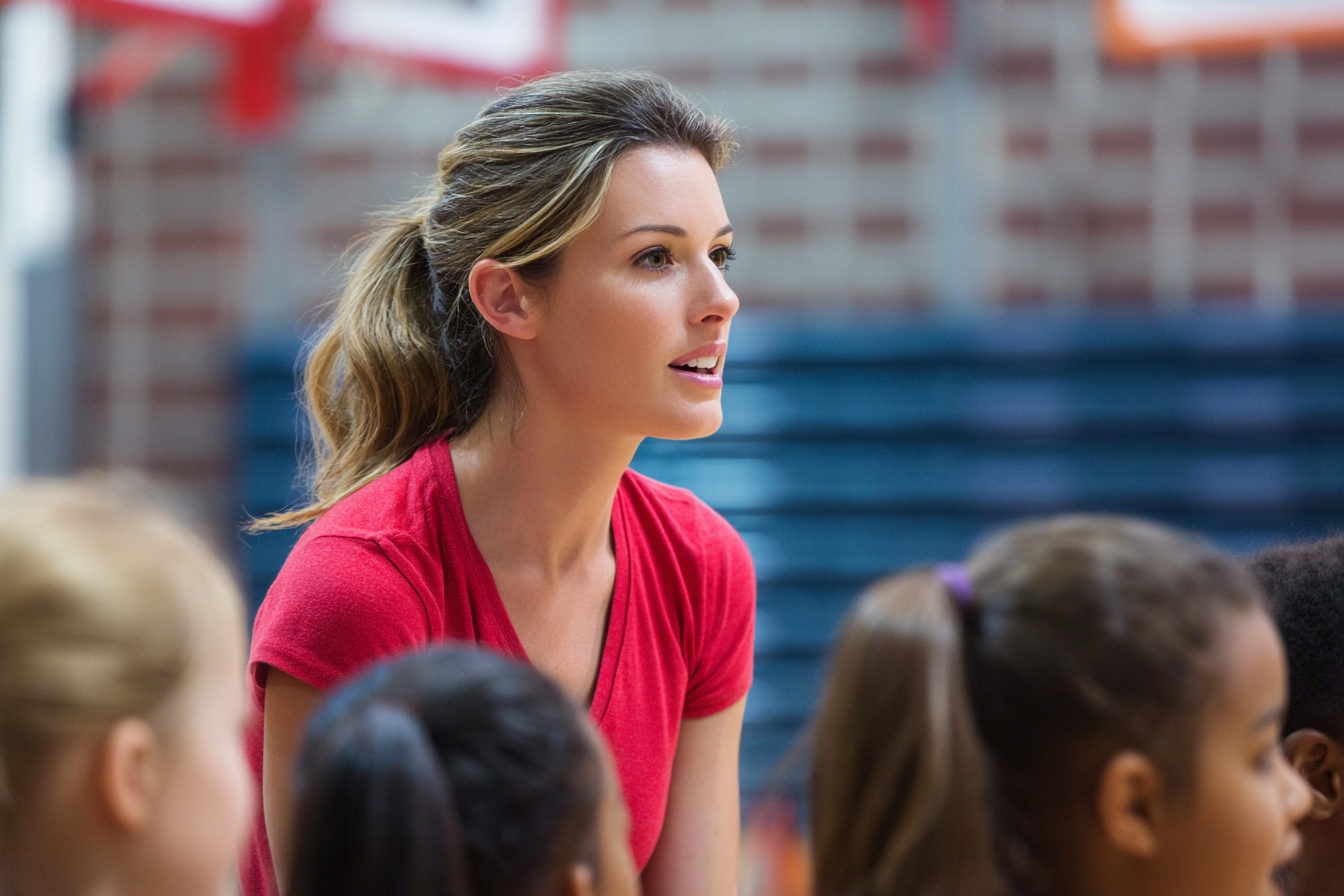
Focus: Develop core invasion-game concepts without a ball by helping students read opponents’ body cues, use fakes and quick pathway changes, and apply offensive and defensive movement strategies through tag-style and endzone games.
Grade Level: 5
Subject Area: Physical Education (Movement Concepts • Agility & Evasion • Offense & Defense)
Total Unit Duration: 1 core session + 2 optional sessions (1–3 weeks), 50–60 minutes per session
I. Introduction
Students explore invasion-game ideas without equipment so they can focus fully on movement, spacing, timing, and decision-making. Instead of worrying about dribbling or catching, students learn how to create space on offense, stay between an opponent and the target on defense, and use fakes, level changes, and body cues to gain an advantage. The unit begins with quick agility and reaction drills in which partners call directional changes and students react under control. Students then apply these concepts in Endzone Games and Shadow Match-Ups in 1v1 and 2v2 situations. By removing the ball, students can more clearly see the foundation of many games: read the defender, move to open space, support a teammate, and recover on defense.
Essential Questions
- How can I use speed, control, and quick transitions to gain an advantage without a ball?
- How do fakes, pathways, and body cues help an offensive player create space?
- What does good defense look like when the goal is to contain, mark, and stay between a player and the scoring area?
- How can playing without equipment help me better understand invasion-game strategy?
II. Objectives and Standards
Learning Objectives — Students will be able to:
- Perform locomotor movements with speed, control, and smooth transitions while reacting to opponents and changing directions quickly.
- Maintain balance, stability, and coordination while stopping, cutting, lowering levels, and redirecting movement in game-like situations.
- Use pathways, levels, and fakes to create separation from a defender or gain better attacking position.
- Apply simple offensive strategies such as moving to open space, creating an advantage, and supporting a teammate in 1v1 and 2v2 play.
- Apply basic defensive strategies such as marking, containment, and helping on defense without overcommitting or colliding.
- Stay engaged in moderate-to-vigorous activity for most of class while participating actively in repeated short rounds and transitions.
Standards Alignment — 5th Grade (SHAPE America-based custom)
- PE:S1.5a – Locomotor Skills with Speed, Control, and Transitions Perform locomotor movements (run, hop, jump, leap, slide, gallop, skip) with control, using changes in speed and direction smoothly in game and activity settings.
- Example: Students use quick accelerations, controlled stops, and sharp directional changes while playing tag, invasion games, or in relay events.
- PE:S1.5b – Balance, Stability, and Coordination in Complex Tasks Maintain static and dynamic balance while performing more complex movements, such as jumping, landing, rotating, and changing levels.
- Example: Students complete an obstacle course that includes single-leg balances, low beams, and controlled landings from jumps without losing stability.
- PE:S2.5b – Pathways, Levels, and Fakes to Gain Advantage Use varied pathways (straight, curved, zigzag), levels (high, medium, low), and simple “fakes” or feints to gain advantage over opponents.
- Example: A student uses a head fake and low-level cut to evade a defender in a flag game, then accelerates into open space to receive a pass.
- PE:S2.5d – Offensive Strategies: Creating & Using Advantages Apply basic offensive strategies such as creating numerical advantages, give-and-go, using screens, and selecting high-percentage scoring opportunities.
- Example: In 3v3 basketball or handball, students set simple screens, drive to draw a defender, then pass to an open teammate for a better shot.
- PE:S2.5e – Defensive Strategies: Marking, Containment, & Help Defense Apply defensive strategies including marking a player, maintaining proper body position, containing attackers, and providing help defense.
- Example: Students stay between their assigned player and the goal, communicate switches, and step in to help when a teammate is beaten on defense.
- PE:S3.5a – Sustained Participation in Moderate-to-Vigorous Activity Participate actively and continuously in moderate-to-vigorous physical activity (MVPA) for significant portions of class without frequent off-task behavior.
- Example: During fitness circuits or small-sided games, students remain engaged and moving, minimizing standing time between turns.
Success Criteria — Student Language
- I can move with speed and control while changing direction quickly.
- I can use fakes, zigzags, and level changes to get open or avoid a defender.
- I can play offense by moving to open space and helping my teammate.
- I can play defense by staying between my player and the scoring area and using containment.
- I can stay active and involved for most of class during quick game rounds and transitions.