Unit Plan 29 (Grade 5 PE): Large-Group Strategy Games & Self-Officiating
Grade 5 PE large-group games unit plan on strategy, teamwork, self-control, and self-officiating through Capture the Flag and Treasure Games.

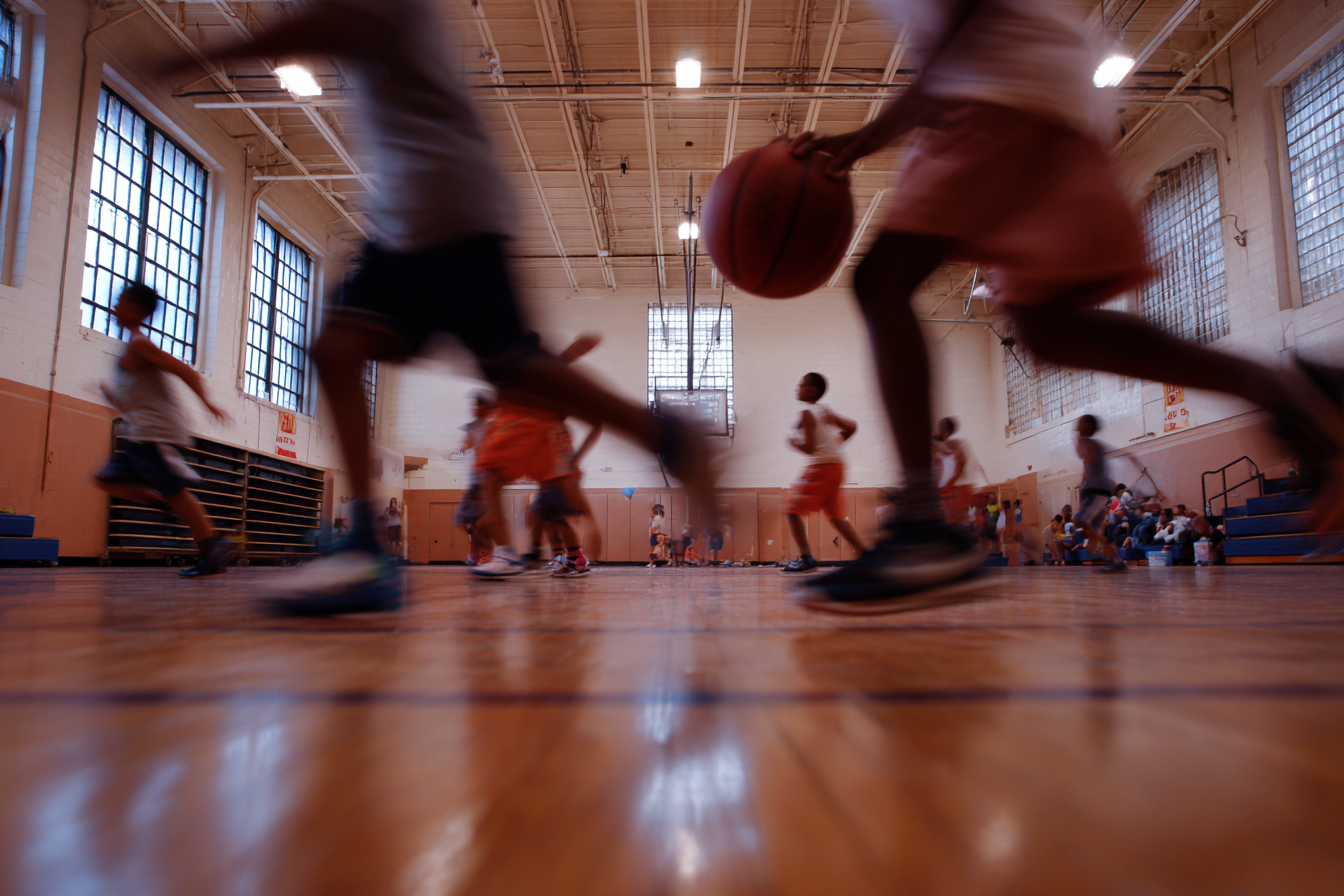
Focus: Apply strategy in large-group games, strengthen self-control during fast and competitive play, and use fair conflict-resolution tools while students take partial responsibility for officiating.
Grade Level: 5
Subject Area: Physical Education (Large-Group Games • Strategy & Decision-Making • Sportsmanship & Self-Officiating)
Total Unit Duration: 1 core session + 2 optional sessions (1–3 weeks), 50–60 minutes per session
I. Introduction
Students explore large-group strategy games as a chance to think, react, and cooperate in a fast-moving team setting. In this unit, students begin with a whole-class dynamic warm-up that includes quick pivots, directional changes, and reaction cues to prepare for games where speed and awareness matter. They then move into Capture the Flag and Treasure Games in which teams must protect space, create diversions, use pathways and fakes, and decide when to attack or retreat. A key part of the unit is learning how to handle rule disagreements, close calls, and game frustrations with self-control and fair self-officiating tools. Throughout the unit, students practice staying organized, thinking strategically, and helping games stay safe and fair even when the teacher is not solving every small conflict.
Essential Questions
- How can a team use space, timing, and strategy to succeed in large-group games?
- How do pathways, fakes, and quick direction changes help players avoid defenders or protect important areas?
- What should players do when there is a disagreement or unclear rule situation?
- How can students stay calm, fair, and respectful during competitive games?
II. Objectives and Standards
Learning Objectives — Students will be able to:
- Perform locomotor movements with speed, control, and safe transitions during large-group strategy games.
- Use space awareness to move into safer or more effective offensive and defensive positions.
- Apply pathways, levels, and fakes to gain an advantage while avoiding defenders or reaching a target area.
- Follow game rules, boundaries, and class safety expectations consistently during large-group play.
- Demonstrate self-control and positive sportsmanship during close calls, setbacks, and emotionally intense moments.
- Use fair conflict-resolution strategies and partial self-officiating to help games run smoothly.
Standards Alignment — 5th Grade (SHAPE America-based custom)
- PE:S1.5a – Locomotor Skills with Speed, Control, and TransitionsPerform locomotor movements (run, hop, jump, leap, slide, gallop, skip) with control, using changes in speed and direction smoothly in game and activity settings.
- Example: Students use quick accelerations, controlled stops, and sharp directional changes while playing tag, invasion games, or in relay events.
- PE:S2.5a – Space Awareness & Positioning in Team GamesConsistently move to open space on offense and adjust positioning on defense to support team play and maintain safety.
- Example: In 4v4 games, students spread out on offense to create passing lanes and reposition on defense to protect key areas of the court or field.
- PE:S2.5b – Pathways, Levels, and Fakes to Gain AdvantageUse varied pathways (straight, curved, zigzag), levels (high, medium, low), and simple “fakes” or feints to gain advantage over opponents.
- Example: A student uses a head fake and low-level cut to evade a defender in a flag game, then accelerates into open space to receive a pass.
- PE:S4.5a – Consistent Rule-Following & Safety LeadershipConsistently follow rules, class routines, and safety procedures and help others follow them without frequent reminders.
- Example: Students use equipment correctly, respect boundaries, and remind peers to stop and listen when they hear the teacher’s whistle.
- PE:S4.5c – Self-Control, Sportsmanship, and Emotional RegulationMaintain self-control and positive sportsmanship when facing success, mistakes, or disagreements, and demonstrate resilience when tasks are challenging.
- Example: A student responds calmly to a turnover or loss, acknowledges good play from opponents, and continues trying even when behind in a game.
- PE:S4.5d – Constructive Conflict Resolution & Self-OfficiatingUse agreed-upon strategies (e.g., rock-paper-scissors, replay, majority vote) to solve conflicts and participate in simple self-officiating when appropriate.
- Example: In four-square or small-sided games, students decide out-of-bounds calls using a quick, fair method and restart play without arguing.
Success Criteria — Student Language
- I can move quickly and safely while changing direction in a large-group game.
- I can use space, fakes, and different pathways to help my team.
- I can follow rules and boundaries even when the game gets exciting.
- I can stay calm and respectful when I disagree with a call or a game result.
- I can use a fair strategy to solve a conflict and help the game keep going.