Unit Plan 27 (Grade 5 PE): Multi-Target & Castle Strategy Games
Grade 5 Castle Ball unit plan focused on throwing accuracy, strategy, defense, and team communication through engaging multi-target PE games.

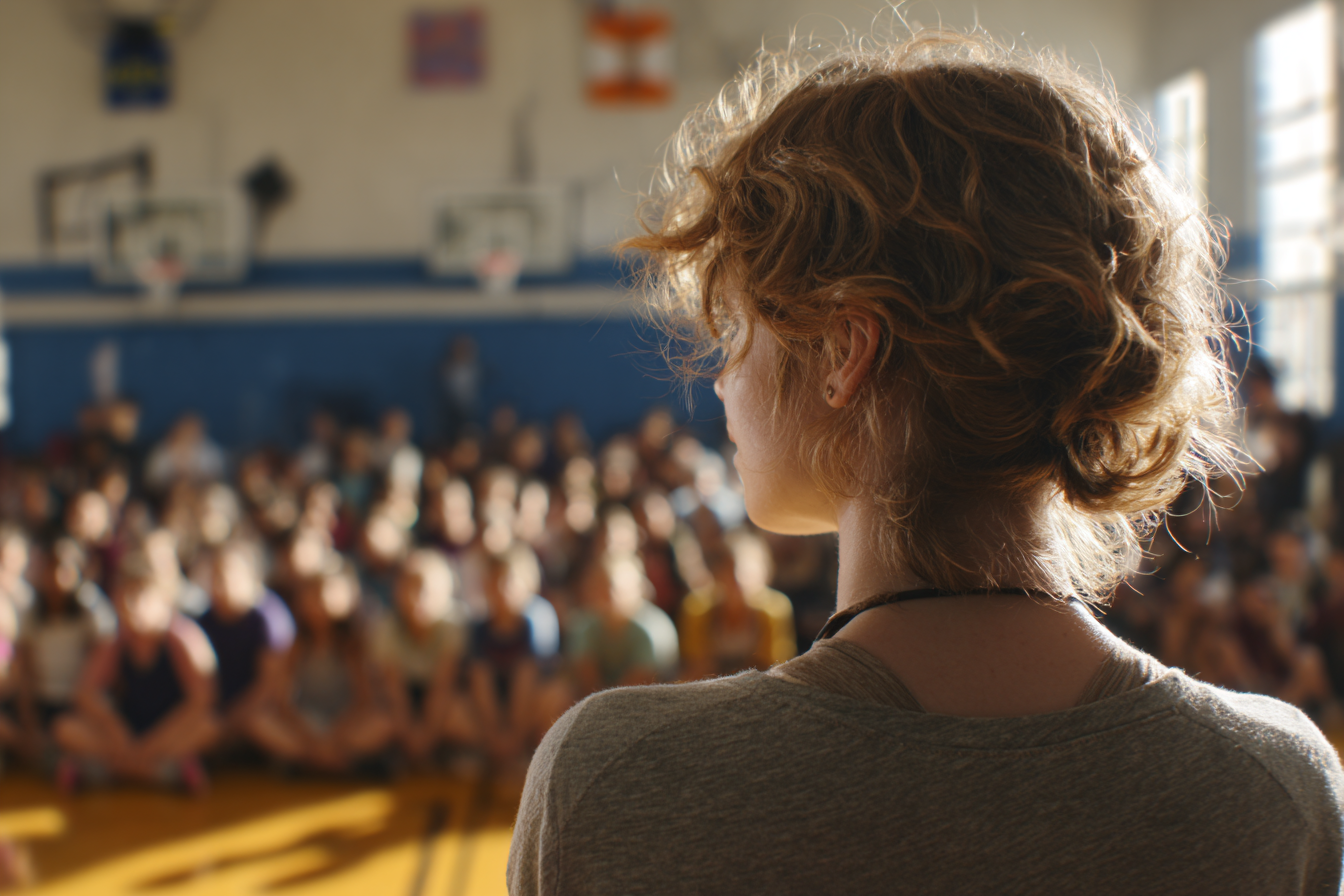
Focus: Develop throwing accuracy, improve situational decision-making about when to attack or defend, and strengthen team communication through Castle Ball-style strategy games with multiple targets and rotating roles.
Grade Level: 5
Subject Area: Physical Education (Target Games • Throwing & Catching • Strategy & Team Communication)
Total Unit Duration: 1 core session + 2 optional sessions (1–3 weeks), 50–60 minutes per session
I. Introduction
Students explore strategy-based target games that require more than simply throwing hard at the nearest object. In this unit, students begin with throwing at varied-distance targets so they can practice changing angle, force, and timing based on where the target is placed. They then apply those ideas in Castle Ball variations where teams protect their own targets while deciding when to attack an opponent’s castle, when to defend, and how to communicate the smartest play. Throughout the unit, students learn that success depends on accurate throws, quick support movement, smart role choices, and teamwork. The unit helps students think like strategists by asking them to notice the game situation, choose the best target, and adjust their decisions as the game changes.
Essential Questions
- How can I change my throw to hit targets at different distances and angles?
- How do teams decide who to attack and who to defend in a Castle Ball game?
- What makes a throw “smart” in a strategy game, not just powerful?
- How does clear communication help a team make better offensive and defensive decisions?
II. Objectives and Standards
Learning Objectives — Students will be able to:
- Throw and catch accurately in game-like situations while targets, defenders, and teammates are moving or repositioning.
- Combine skills in sequence, such as move to support → catch → throw to target → recover to defend.
- Adjust force, angle, and timing to hit near, far, or protected targets more effectively.
- Apply offensive strategy by choosing the best target, using teammates to create better opportunities, and making high-percentage throwing decisions.
- Apply defensive strategy by protecting key targets, containing strong attackers, and helping teammates when pressure shifts.
- Work cooperatively by communicating roles, supporting teammates, and including everyone in strategy discussions and game play.
Standards Alignment — 5th Grade (SHAPE America-based custom)
- PE:S1.5c – Throwing & Catching with Accuracy under Pressure Throw (overhand and underhand) and catch different objects accurately over a variety of distances while both the thrower and receiver may be moving or defended.
- Example: In small-sided handball or basketball-style games, students lead teammates with accurate passes and catch under defensive pressure.
- PE:S1.5f – Combining Multiple Skills in Game Sequences Combine multiple skills (dribble, pass, catch, strike, run, dodge, jump, shoot) fluently and appropriately during game-like sequences.
- Example: In a modified invasion game, a student dribbles to space, passes to a teammate, cuts toward the goal, receives a return pass, and shoots.
- PE:S2.5c – Adjusting Effort, Force, and Timing for Task Demands Adjust speed, force, angle, and timing of movements based on distance, defenders, and type of shot, pass, or throw required.
- Example: Students throw softly to a nearby teammate but use greater force and a higher angle when throwing over defenders to a distant partner.
- PE:S2.5d – Offensive Strategies: Creating & Using Advantages Apply basic offensive strategies such as creating numerical advantages, give-and-go, using screens, and selecting high-percentage scoring opportunities.
- Example: In 3v3 basketball or handball, students set simple screens, drive to draw a defender, then pass to an open teammate for a better shot.
- PE:S2.5e – Defensive Strategies: Marking, Containment, & Help Defense Apply defensive strategies including marking a player, maintaining proper body position, containing attackers, and providing help defense.
- Example: Students stay between their assigned player and the goal, communicate switches, and step in to help when a teammate is beaten on defense.
- PE:S4.5b – Cooperation, Leadership, and Inclusive Team Behavior Work cooperatively with classmates, take on and rotate leadership roles, and actively include others regardless of skill level or background.
- Example: During group games, students volunteer as captains or equipment managers, ensure everyone has a role, and invite quieter classmates to join.
Success Criteria — Student Language
- I can throw with better accuracy by changing my force and angle.
- I can make a smart choice about which target is best to attack.
- I can help my team by catching, moving, and recovering after my throw.
- I can defend by protecting important targets and helping teammates when needed.
- I can communicate and work with my team so everyone has a role in the game.