Unit Plan 26 (Grade 5 PE): Parachute Strategy & Peer Coaching
Grade 5 parachute unit plan on teamwork, timing, leadership, and peer coaching through student-designed cooperative movement challenges.

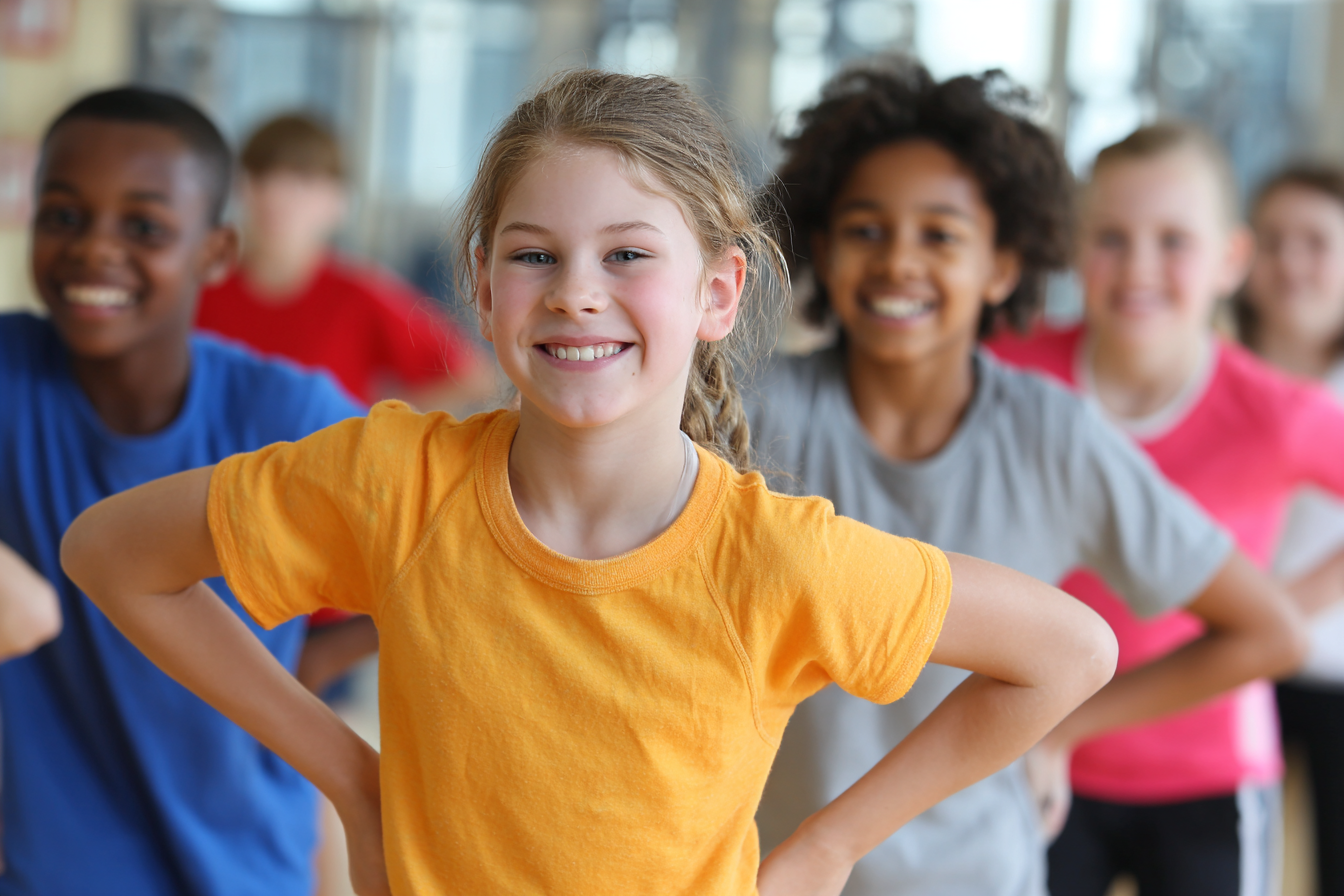
Focus: Develop timing, teamwork, and peer coaching by helping students design, explain, teach, and refine parachute challenges that require coordinated movement and clear communication.
Grade Level: 5
Subject Area: Physical Education (Cooperative Movement • Leadership & Communication • Parachute Strategy)
Total Unit Duration: 1 core session + 2 optional sessions (1–3 weeks), 50–60 minutes per session
I. Introduction
Students use the parachute as a tool for movement, rhythm, teamwork, and creative problem-solving. In this unit, students begin with synchronized parachute lifts using shared counts and changing tempos so they can learn how timing affects the success of group movement. They then move into student-designed parachute challenges in which small groups create, teach, and revise a task that requires teamwork, communication, and safe participation from everyone involved. The unit emphasizes that students are not only participating in activities—they are learning how to design, explain, coach, and improve them through peer feedback. Throughout the unit, students practice working together, solving disagreements fairly, staying responsible with equipment, and reflecting on what makes cooperative parachute activities enjoyable.
Essential Questions
- How does timing affect the success of a parachute activity?
- What makes a student-designed activity clear, safe, and fun for others to follow?
- How can peer coaching and feedback help a group improve an activity?
- How do teamwork, responsibility, and problem-solving make cooperative games more enjoyable?
II. Objectives and Standards
Learning Objectives — Students will be able to:
- Perform locomotor and full-body movements with control while coordinating with a group around a parachute.
- Work cooperatively to design and teach a parachute challenge that includes clear directions, timing, and teamwork.
- Use fair and respectful conflict-resolution strategies when groups disagree about ideas, roles, or rules.
- Demonstrate responsibility by using the parachute correctly, transitioning efficiently, and staying engaged without frequent reminders.
- Reflect on what makes parachute activities enjoyable and explain personal preferences about group movement activities.
Standards Alignment — 5th Grade (SHAPE America-based custom)
- PE:S1.5a – Locomotor Skills with Speed, Control, and Transitions Perform locomotor movements (run, hop, jump, leap, slide, gallop, skip) with control, using changes in speed and direction smoothly in game and activity settings.
- Example: Students use quick accelerations, controlled stops, and sharp directional changes while playing tag, invasion games, or in relay events.
- PE:S4.5b – Cooperation, Leadership, and Inclusive Team Behavior Work cooperatively with classmates, take on and rotate leadership roles, and actively include others regardless of skill level or background.
- Example: During group games, students volunteer as captains or equipment managers, ensure everyone has a role, and invite quieter classmates to join.
- PE:S4.5d – Constructive Conflict Resolution & Self-Officiating Use agreed-upon strategies (e.g., rock-paper-scissors, replay, majority vote) to solve conflicts and participate in simple self-officiating when appropriate.
- Example: In four-square or small-sided games, students decide out-of-bounds calls using a quick, fair method and restart play without arguing.
- PE:S4.5e – Responsibility, Effort, and Self-Directed Behavior Show responsibility by arriving prepared, using time efficiently, caring for equipment, and staying engaged without constant teacher direction.
- Example: Students rotate through stations on their own, transition quickly when signaled, and clean up equipment at the end of class.
- PE:S5.5a – Enjoyment and Preference for Specific Activities Identify physical activities they enjoy, explain why they prefer them, and show enthusiasm and effort during those activities.
- Example: Students share that they enjoy basketball because of teamwork and pace, or running club because they like pushing themselves and seeing progress.
Success Criteria — Student Language
- I can move with the group and keep my timing with the parachute.
- I can help design and explain a parachute activity so others understand what to do.
- I can listen to my group, share ideas, and solve disagreements fairly.
- I can use the parachute responsibly and stay focused during setup, practice, and cleanup.
- I can explain what kinds of group activities I enjoy and why they are fun or meaningful to me.