Unit Plan 34 (Grade 5 PE): Strategy Tournaments & Sportsmanship
Boost student engagement with Grade 5 PE tournament units focused on strategy, sportsmanship, emotional control, and competitive gameplay through structured mini-tournaments.

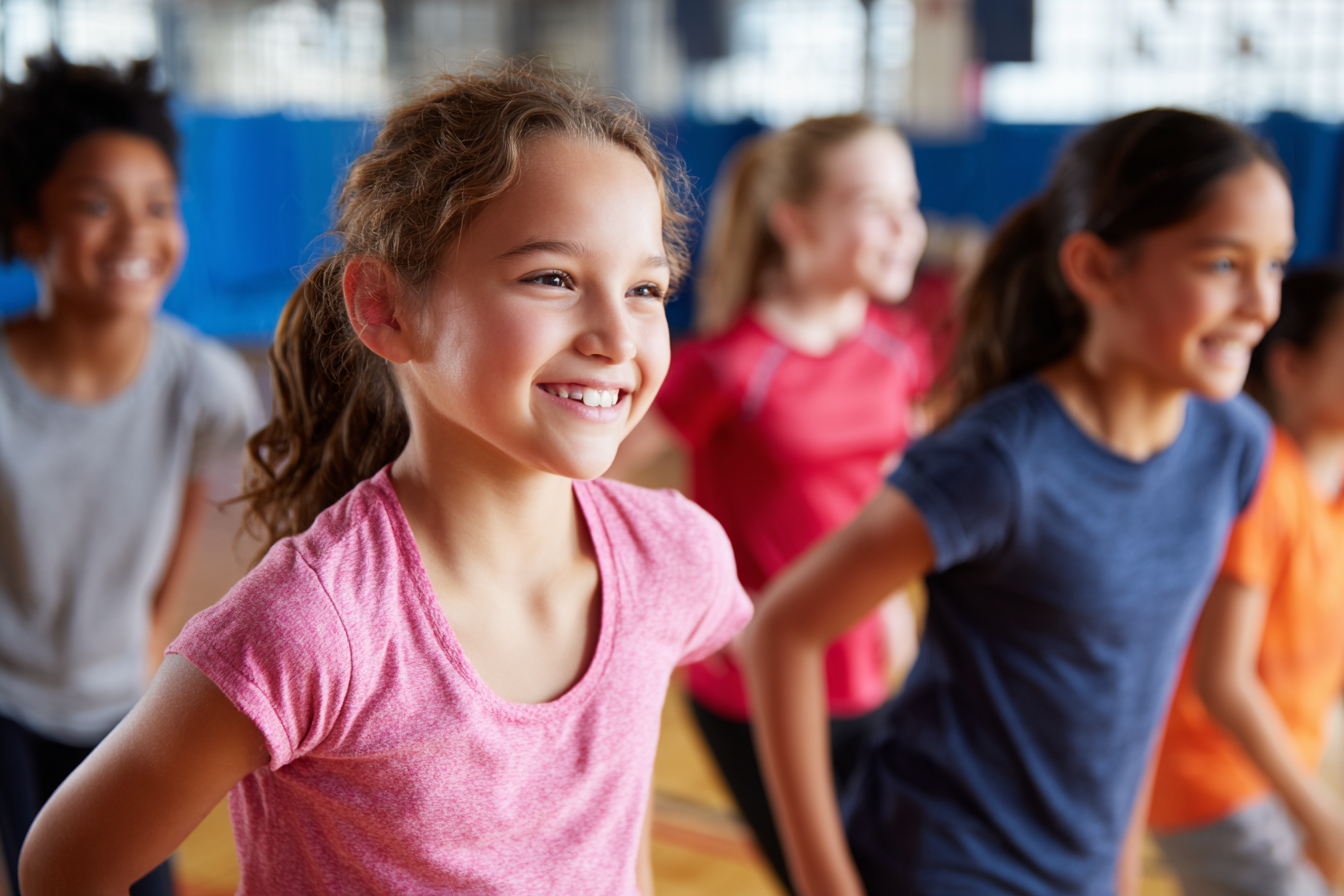
Focus: Develop higher-level strategy, strengthen sportsmanship during competition, and help students manage emotions, respect officials, and respond positively to wins and losses through mini-tournament play.
Grade Level: 5
Subject Area: Physical Education (Tournament Play • Game Strategy • Sportsmanship & Emotional Control)
Total Unit Duration: 1 core session + 2 optional sessions (1–3 weeks), 50–60 minutes per session
I. Introduction
Students apply the skills and tactics they have practiced in earlier PE units through organized mini-tournaments in activities such as 3v3 soccer, 3v3 basketball, small-sided handball, and four-square. In this unit, students learn that tournaments are not only about trying to win. They are also about using strategy, staying active, showing self-control, respecting referees and scorekeepers, and treating classmates well during both success and disappointment. Students rotate through roles such as player, scorekeeper, or referee and learn how to handle competitive moments with maturity. The unit emphasizes that strong competitors can play hard, think strategically, and still respond to wins, losses, mistakes, and close calls with fairness and respect.
Essential Questions
- How can teams use strategy to create better scoring opportunities and defend more effectively during a tournament?
- What does strong sportsmanship look like when the game is close or emotions are high?
- How should players respond to calls made by teachers, referees, or peer officials?
- How can tournament play help students grow physically, mentally, and socially?
II. Objectives and Standards
Learning Objectives — Students will be able to:
- Combine sport-specific skills in game sequences during tournament play, such as dribble/pass/shoot, pass/cut/score, or serve/return/recover depending on the station.
- Apply offensive strategies to create advantages, use teammates well, and select higher-percentage scoring chances.
- Apply defensive strategies such as marking, containment, recovery, and help defense during small-sided games.
- Stay actively engaged in tournament stations and movement-based game play for significant portions of class.
- Show self-control and sportsmanship when facing wins, losses, mistakes, officiating decisions, or close scores.
- Use constructive conflict-resolution and self-officiating tools when appropriate and respect scorekeepers/referees, including peers.
- Explain how tournament participation and game play can support physical, mental, and social well-being.
Standards Alignment — 5th Grade (SHAPE America-based custom)
- PE:S1.5f – Combining Multiple Skills in Game Sequences Combine multiple skills (dribble, pass, catch, strike, run, dodge, jump, shoot) fluently and appropriately during game-like sequences.
- Example: In a modified invasion game, a student dribbles to space, passes to a teammate, cuts toward the goal, receives a return pass, and shoots.
- PE:S2.5d – Offensive Strategies: Creating & Using Advantages Apply basic offensive strategies such as creating numerical advantages, give-and-go, using screens, and selecting high-percentage scoring opportunities.
- Example: In 3v3 basketball or handball, students set simple screens, drive to draw a defender, then pass to an open teammate for a better shot.
- PE:S2.5e – Defensive Strategies: Marking, Containment, & Help Defense Apply defensive strategies including marking a player, maintaining proper body position, containing attackers, and providing help defense.
- Example: Students stay between their assigned player and the goal, communicate switches, and step in to help when a teammate is beaten on defense.
- PE:S3.5a – Sustained Participation in Moderate-to-Vigorous Activity Participate actively and continuously in moderate-to-vigorous physical activity (MVPA) for significant portions of class without frequent off-task behavior.
- Example: During fitness circuits or small-sided games, students remain engaged and moving, minimizing standing time between turns.
- PE:S4.5c – Self-Control, Sportsmanship, and Emotional Regulation Maintain self-control and positive sportsmanship when facing success, mistakes, or disagreements, and demonstrate resilience when tasks are challenging.
- Example: A student responds calmly to a turnover or loss, acknowledges good play from opponents, and continues trying even when behind in a game.
- PE:S4.5d – Constructive Conflict Resolution & Self-Officiating Use agreed-upon strategies (e.g., rock-paper-scissors, replay, majority vote) to solve conflicts and participate in simple self-officiating when appropriate.
- Example: In four-square or small-sided games, students decide out-of-bounds calls using a quick, fair method and restart play without arguing.
- PE:S5.5b – Recognizing Physical, Mental, and Social Benefits Describe how regular physical activity positively affects physical health (fitness, strength), mental health (mood, stress), and social connections (friendships, teamwork).
- Example: Students explain that playing games helps them feel energized, reduces stress, and allows them to spend time with friends.
Success Criteria — Student Language
- I can use game skills together during real tournament play.
- I can help my team attack smartly and defend with better positioning.
- I can stay active and engaged even when I am not scoring.
- I can respond respectfully to referees, scorekeepers, and close calls.
- I can handle winning and losing in a way that shows good sportsmanship.
- I can explain how games can help my body, mood, and relationships with others.