Unit Plan 19 (Grade 5 PE): Wiffle Ball — Game Strategy & Situations
Grade 5 wiffle ball unit plan focused on hitting for placement, defensive decisions, game strategy, and team communication through small-sided play.

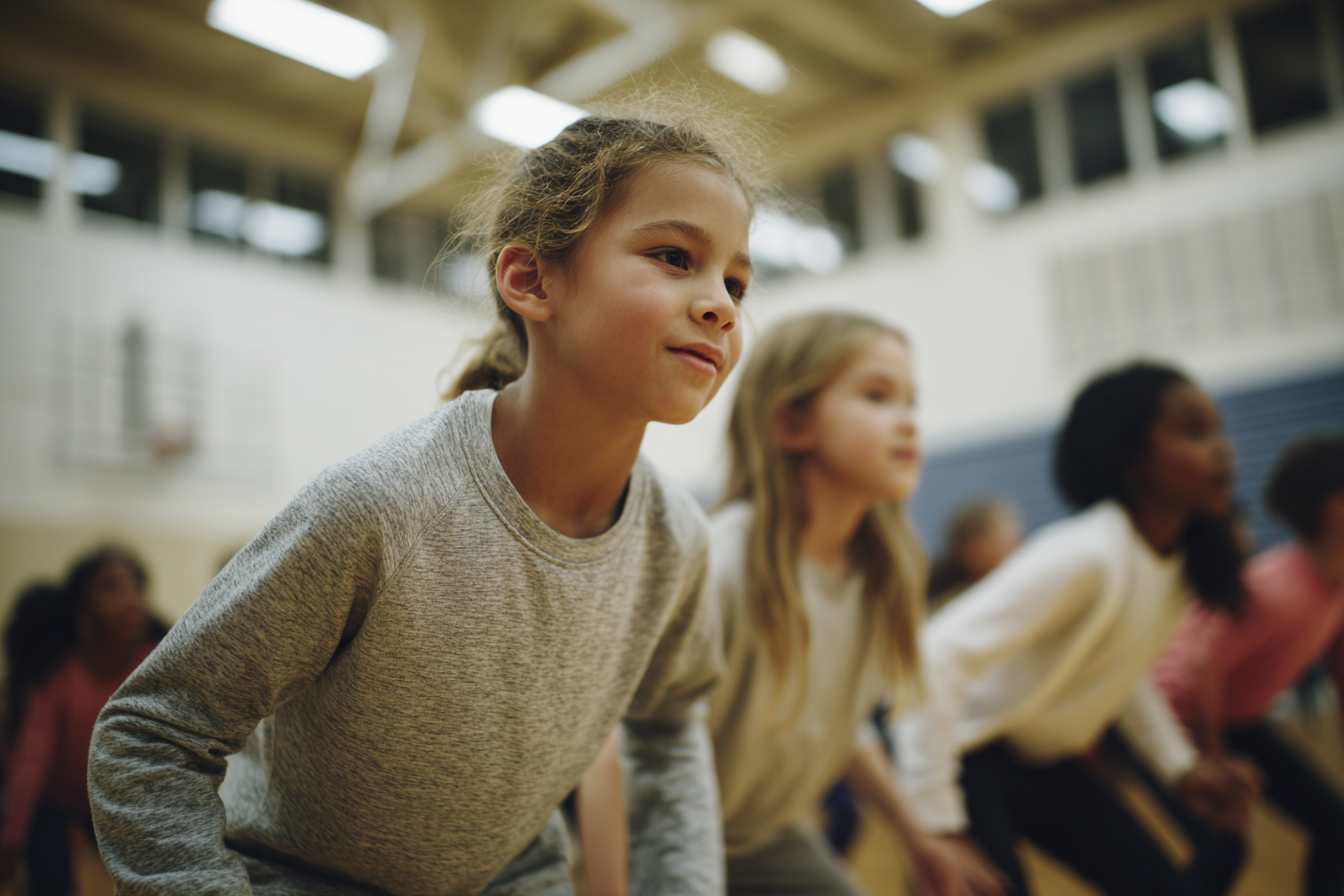
Focus: Develop striking for direction and power, stronger defensive choices based on the game situation, and clear field communication through small-sided wiffle ball.
Grade Level: 5
Subject Area: Physical Education (Striking & Fielding Games • Game Strategy • Communication & Decision-Making)
Total Unit Duration: 1 core session + 2 optional sessions (1–3 weeks), 50–60 minutes per session
I. Introduction
Students build deeper understanding of striking and fielding games by learning that success in wiffle ball depends on much more than just hitting the ball far. In this unit, students practice hitting aimed grounders and line drives, throwing accurately to specific bases, and making smart defensive decisions based on who is on base, how many outs there are, and where the ball is hit. During small-sided wiffle ball, students work through coach-led or student-led scenario prompts such as runner on second, 1 out to decide the best play before the pitch or after contact. Throughout the unit, students learn how communication, situational awareness, and controlled offensive choices can improve team performance on both sides of the ball.
Essential Questions
- How can I strike a wiffle ball with better direction and power instead of just swinging hard?
- How do fielders decide where the best play is depending on the runners, outs, and hit location?
- Why is strong communication across the field important in wiffle ball?
- How can offensive and defensive players make smarter choices based on the situation instead of reacting randomly?
II. Objectives and Standards
Learning Objectives — Students will be able to:
- Throw and catch accurately to specific bases or teammates under game-like pressure.
- Strike a wiffle ball with better direction, trajectory, and power to create offensive advantage.
- Combine multiple game skills in sequence, such as hit → run → round base → react to the field, or field → decide → throw → cover.
- Adjust force, timing, and decision-making based on the situation, including runners on base and number of outs.
- Apply offensive strategy by aiming hits to open areas and choosing when to advance or stay.
- Apply defensive strategy by selecting the smartest throw, helping cover bases, and communicating the play.
- Work cooperatively by rotating positions fairly, encouraging teammates, and helping the team problem-solve game situations.
Standards Alignment — 5th Grade (SHAPE America-based custom)
- PE:S1.5c – Throwing & Catching with Accuracy under Pressure Throw (overhand and underhand) and catch different objects accurately over a variety of distances while both the thrower and receiver may be moving or defended.
- Example: In small-sided handball or basketball-style games, students lead teammates with accurate passes and catch under defensive pressure.
- PE:S1.5e – Striking with Implements for Direction & Power Strike a stationary or moving object with a short- or long-handled implement (paddle, racket, bat, stick) with control of direction, trajectory, and power.
- Example: Students strike balls to specific areas of the field in wiffle ball, or place forehand and backhand shots into open spaces in racket games.
- PE:S1.5f – Combining Multiple Skills in Game Sequences Combine multiple skills (dribble, pass, catch, strike, run, dodge, jump, shoot) fluently and appropriately during game-like sequences.
- Example: In a modified invasion game, a student dribbles to space, passes to a teammate, cuts toward the goal, receives a return pass, and shoots.
- PE:S2.5c – Adjusting Effort, Force, and Timing for Task Demands Adjust speed, force, angle, and timing of movements based on distance, defenders, and type of shot, pass, or throw required.
- Example: Students throw softly to a nearby teammate but use greater force and a higher angle when throwing over defenders to a distant partner.
- PE:S2.5d – Offensive Strategies: Creating & Using Advantages Apply basic offensive strategies such as creating numerical advantages, give-and-go, using screens, and selecting high-percentage scoring opportunities.
- Example: In 3v3 basketball or handball, students set simple screens, drive to draw a defender, then pass to an open teammate for a better shot.
- PE:S2.5e – Defensive Strategies: Marking, Containment, & Help Defense Apply defensive strategies including marking a player, maintaining proper body position, containing attackers, and providing help defense.
- Example: Students stay between their assigned player and the goal, communicate switches, and step in to help when a teammate is beaten on defense.
- PE:S4.5b – Cooperation, Leadership, and Inclusive Team Behavior Work cooperatively with classmates, take on and rotate leadership roles, and actively include others regardless of skill level or background.
- Example: During group games, students volunteer as captains or equipment managers, ensure everyone has a role, and invite quieter classmates to join.
Success Criteria — Student Language
- I can hit the ball with better placement and not just swing for power.
- I can throw accurately to the base or teammate that gives my team the best chance at an out.
- I can react after I hit or field the ball and make a smart next decision.
- I can explain the best play in a game situation and communicate it to teammates.
- I can rotate positions fairly and help my team work together during situations and games.