Unit Plan 7 (Grade 6 Band): Articulation & Style Basics
Grade 6 band unit applying articulation and dynamic changes to match musical style, tone color, and character through listening, rehearsal, and performance.

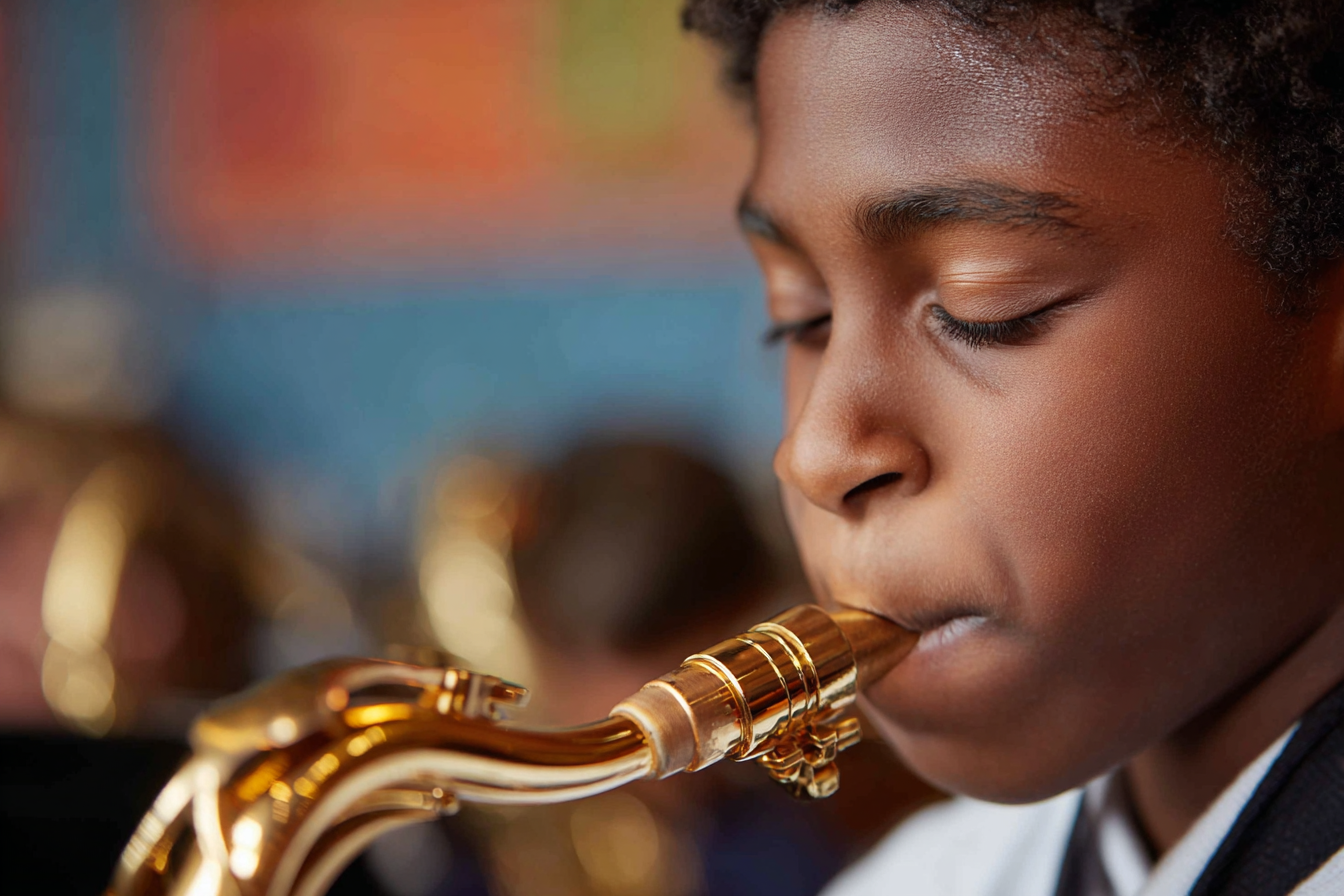
Focus: Apply basic articulation patterns and dynamic changes to match musical style and character.
Grade Level: 6
Subject Area: Band (Performing • Interpreting • Responding)
Total Unit Duration: 5 sessions (one week), 50–60 minutes per session
I. Introduction
In this unit, students explore how articulation and style change the way band music sounds and feels. They learn to perform basic patterns such as legato, staccato, accented, and tenuto notes, and connect these sounds to musical character (smooth, bouncy, bold, etc.). Students also listen to short excerpts to notice how instrumentation and tone color (which instruments are playing and how they sound) affect style and meaning. By the end of the week, students can choose and perform articulations that fit a march, lyrical piece, or light dance, and explain why.
Essential Questions
- How do different articulations (legato, staccato, accents) change the character of the music?
- How do dynamics, articulation, tempo, and phrasing work together to create a specific musical style?
- How does instrumentation and tone color (which instruments play and how they sound) affect the mood or story of a piece?
- How can I use articulation and style choices to make my playing more expressive and clear for the listener?
II. Objectives and Standards
Learning Objectives — Students will be able to:
- Define and demonstrate basic articulations including legato, staccato, accent, and tenuto on their instrument.
- Explain how dynamics, articulation, tempo, and phrasing affect the interpretation and style of a short passage.
- Perform short musical examples in at least two contrasting styles (e.g., march-like vs. lyrical) using appropriate articulations and dynamics.
- Identify how instrumentation and tone color contribute to the character of a piece when listening to band music.
- Apply articulation and style markings from a band score or method book excerpt and explain why those choices fit the music.
Standards Alignment — 6th Grade Band (custom, NAfME-style)
- BD:Pr4.6c — Explain and demonstrate how dynamics, articulation, tempo, and phrasing affect interpretation in band music.
- Example: Students play a short passage twice—once staccato and once legato—and explain the difference in character.
- BD:Re7.6b — Explain how instrumentation and tone color affect character and meaning in band music.
- Example: Students explain how low brass and percussion create a “powerful” sound.
Success Criteria — Student Language
- I can name and show basic articulations like legato, staccato, accent, and tenuto on my instrument.
- I can describe how changes in dynamics, articulation, tempo, and phrasing change the style of the music.
- I can choose articulations that make a passage sound more like a march, lyrical song, or light dance, and explain why.
- I can listen to a piece and explain how instrument families and their tone colors shape the music’s character.
- I can follow the style markings in my music and make my part match the intended character of the piece.