Unit Plan 6 (Grade 6 Band): Ensemble Blend & Balance
Improve ensemble blend and balance in Grade 6 band by learning to listen, adjust volume and tone, and use rehearsal strategies for unified performance.

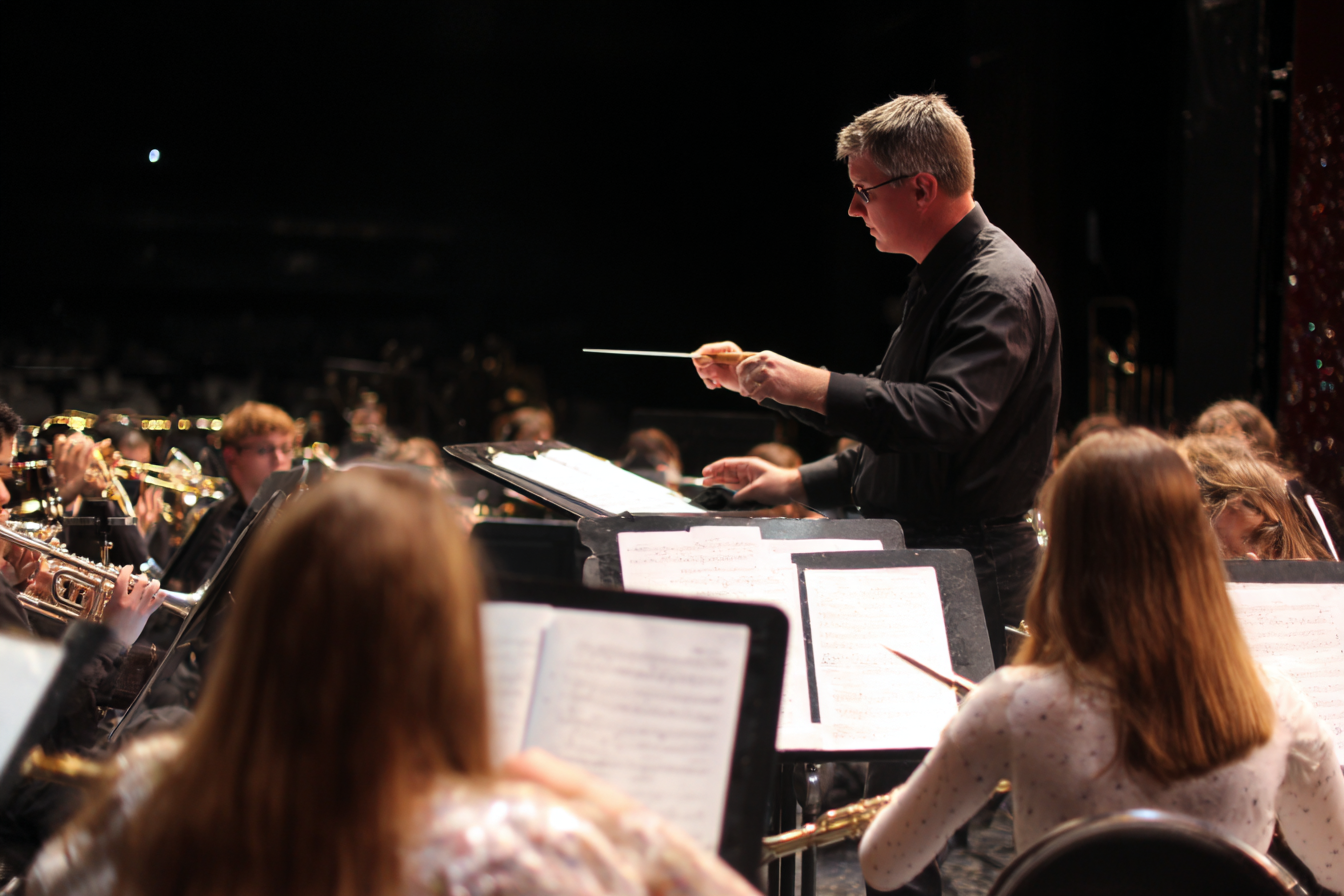
Focus: Learn to listen across the ensemble and adjust volume and tone for better blend and balance using focused rehearsal strategies.
Grade Level: 6
Subject Area: Band (Rehearsing • Performing • Listening/Responding)
Total Unit Duration: 5 sessions (one week), 50–60 minutes per session
I. Introduction
In this unit, students develop the skills needed to sound like one unified band instead of many separate players. They learn what ensemble blend and balance mean and how to listen across the group to match tone, volume, and attacks/releases. Using rehearsal strategies such as slow practice, chunking, counting, and looping, students work on passages where the melody and accompaniment must be heard clearly. By the end of the week, they can explain how their individual choices affect the overall sound and can adjust in real time to improve the ensemble.
Essential Questions
- What do ensemble blend and balance mean, and why do they matter in band performance?
- How can I listen across the ensemble and adjust my volume and tone so that melody and accompaniment are clear?
- How do rehearsal strategies like slow practice, chunking, counting, and looping help fix balance and timing issues?
- How does my individual playing affect the sound of the entire group—for better or for worse?
II. Objectives and Standards
Learning Objectives — Students will be able to:
- Describe ensemble blend and balance and identify when the band sound is too heavy in one section or part.
- Use listening skills to determine whether they should play louder, softer, brighter, or darker to fit the ensemble.
- Apply rehearsal strategies (slow practice, chunking, counting, looping) to improve timing, entrances, and releases in shared passages.
- Adjust their own playing so that melody, harmony, and bass lines are appropriately balanced in simple “pyramid” dynamics.
- Perform a short excerpt demonstrating improved ensemble blend & balance, reflecting on which strategies helped.
Standards Alignment — 6th Grade Band (custom, NAfME-style)
- BD:Pr5.6a — Apply rehearsal strategies (slow practice, chunking, counting, looping) to improve individual accuracy and ensemble timing.
- Example: Students isolate a two-measure rhythm, count it, loop it, then reintegrate it into the full phrase.
Success Criteria — Student Language
- I can explain the difference between blend and balance in band.
- I can listen across the ensemble and tell whether my part is too loud, too soft, or sticking out in tone.
- I can use at least one rehearsal strategy (slow practice, chunking, counting, looping) to fix a tricky spot.
- I can help my section match tone and volume so we sound like one instrument instead of many.
- I can play a short passage where the melody is clear, the accompaniment is supportive, and the timing is together.