Unit Plan 33 (Grade 6 Band): Evaluating Our Band
Grade 6 band unit teaching students to evaluate ensemble performances using tone, rhythm, intonation, balance, and expression with clear musical evidence.

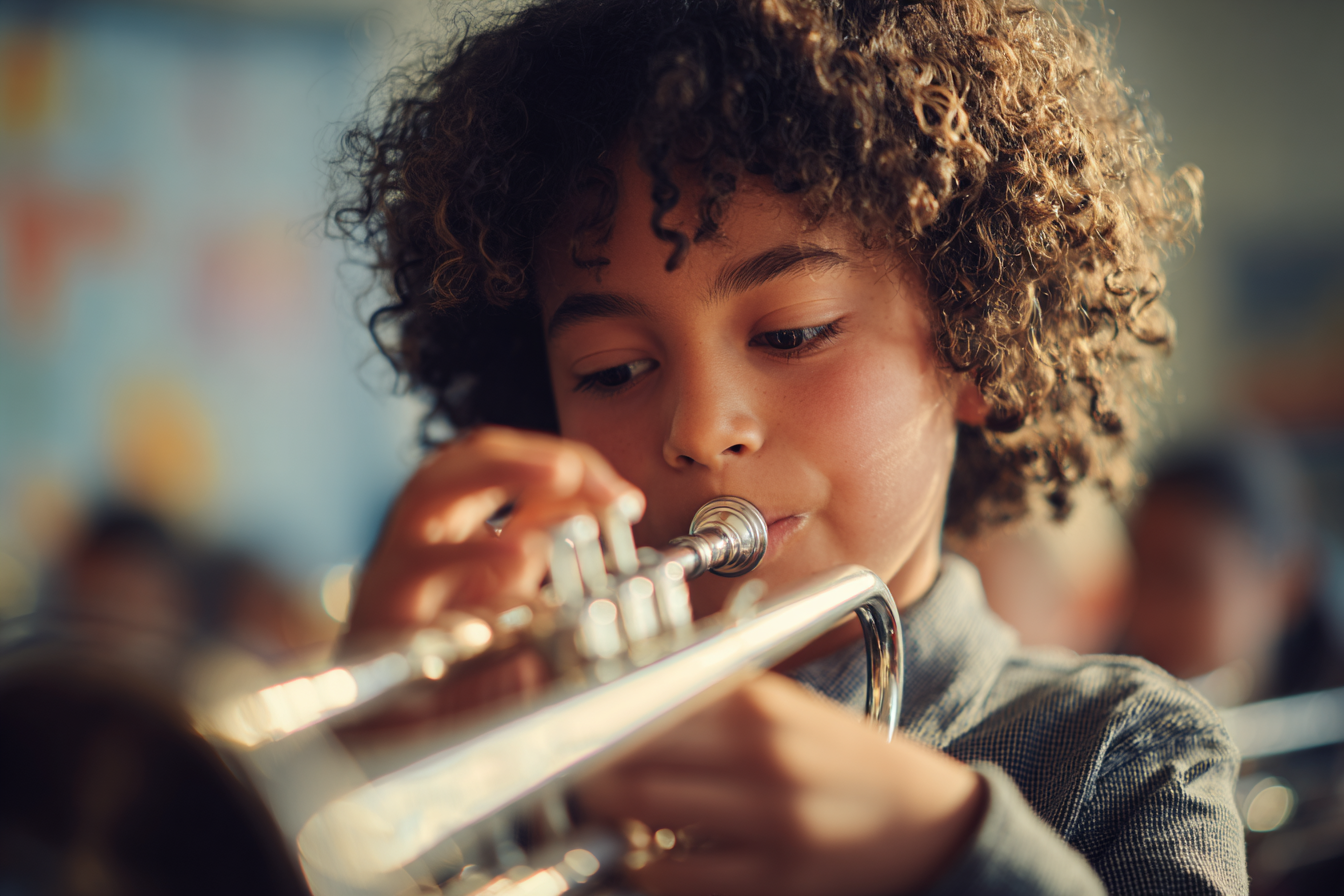
Focus: Evaluate ensemble performances using clear criteria (tone, rhythm, intonation, balance, expression) and support judgments with musical evidence.
Grade Level: 6
Subject Area: Band (Responding • Rehearsing • Reflecting)
Total Unit Duration: 5 sessions (one week), 50–60 minutes per session
I. Introduction
In this unit, students shift into the role of musical listeners and evaluators, learning how to use criteria and evidence to describe how the band is doing and where it can grow. Instead of saying “we sounded good” or “that was bad,” students practice using specific musical language to talk about tone, rhythm, intonation, balance, and expression. They listen to recordings of their own ensemble and model bands, use a teacher-provided rubric, and write or discuss evidence-based feedback. Finally, they use their evaluations to help set realistic goals for future rehearsals and performances.
Essential Questions
- What does it mean to evaluate a band performance using clear musical criteria?
- How can I tell, using evidence, whether our tone, rhythm, intonation, balance, and expression are improving?
- Why is specific feedback more helpful than general comments like “good job” or “we messed up”?
- How can evaluating our band help us set better goals and become stronger musicians over time?
II. Objectives and Standards
Learning Objectives — Students will be able to:
- Describe band performances using teacher-provided criteria (tone, rhythm, intonation, balance, expression).
- Use a rubric or checklist to rate a performance and justify each rating with at least one piece of musical evidence.
- Identify specific spots (measures, phrases, sections) that show strengths and areas for improvement.
- Work with peers to create constructive feedback that is respectful, specific, and connected to rehearsal strategies.
- Reflect on ensemble growth over time and help set one or two realistic goals for future rehearsals or concerts.
Standards Alignment — 6th Grade Band (custom, NAfME-style)
- BD:Re9.6a — Evaluate band performances using teacher-provided criteria (tone, rhythm, intonation, balance, expression) and justify ratings with evidence.
- Example: Students use a rubric to rate a rehearsal run and cite a specific spot where rhythm accuracy improved.
Success Criteria — Student Language
- I can use words like tone, rhythm, intonation, balance, expression when I talk about our band.
- I can fill out a performance rubric and explain why I gave each rating.
- I can point to specific measures or moments in a recording to show where we did well or need work.
- I can give kind, helpful feedback that suggests how to improve, not just what went wrong.
- I can describe how our band has grown and name one or two clear goals for the future.