Unit Plan 16 (Grade 6 Band): Expression Through Dynamics
Grade 6 band unit exploring how dynamics and tempo shape mood, helping students interpret, perform, and explain expressive choices in music.

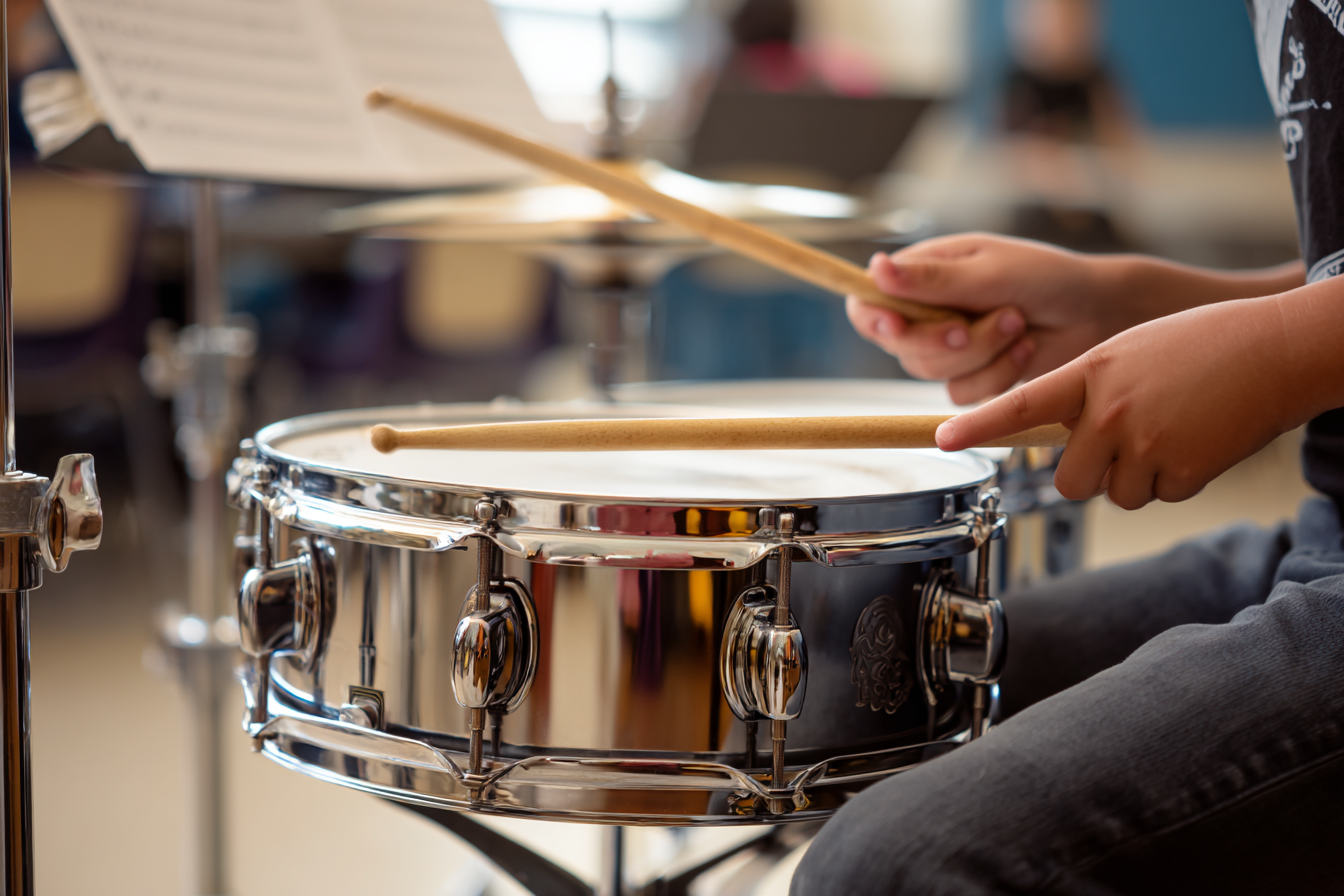
Focus: Use dynamics and tempo changes to shape musical meaning, explaining how expressive choices affect interpretation and mood in band music.
Grade Level: 6
Subject Area: Band (Performing • Responding • Interpreting)
Total Unit Duration: 5 sessions (one week), 50–60 minutes per session
I. Introduction
In this unit, students explore how dynamics (loud/soft) and tempo (speed) change the character and emotion of band music. They experiment with playing the same passage at different dynamic levels and tempos, then listen to and compare two performances of the same piece to notice expressive differences. Throughout the week, students make and explain intentional expressive choices, learning that interpretation is more than just “playing the right notes”—it’s about shaping meaning for the listener.
Essential Questions
- How do dynamics and tempo change the mood and meaning of a piece of music?
- What expressive choices can band musicians make to bring out the character of a piece?
- How can we tell when a performance is more expressive or effective, even if the notes and rhythms are the same?
- How can I explain and defend my expressive decisions using musical vocabulary?
II. Objectives and Standards
Learning Objectives — Students will be able to:
- Identify and perform basic dynamic levels (e.g., p, mp, mf, f) and respond to crescendo/decrescendo markings.
- Demonstrate how changes in tempo (faster/slower, ritardando, accelerando) affect the character of a passage.
- Perform a short excerpt in at least two different expressive ways, adjusting dynamics and tempo intentionally.
- Compare two performances of the same band work, describing differences in dynamics, tempo, and overall mood.
- Explain and justify their own expressive choices using correct terms for dynamics, tempo, and phrasing.
Standards Alignment — 6th Grade Band (custom, NAfME-style)
- BD:Pr4.6c — Explain and demonstrate how dynamics, articulation, tempo, and phrasing affect interpretation in band music.
- Example: Students play a short passage twice—once staccato and once legato—and explain the difference in character.
- BD:Re8.6a — Compare two performances of the same band work, noting differences in tempo, dynamics, articulation, and balance.
- Example: Students compare two recordings and describe how tempo changes affect the mood.
Success Criteria — Student Language
- I can play a passage with different dynamic levels and explain how it changes the feeling.
- I can speed up or slow down a passage (within reason) and describe how tempo affects the character of the music.
- I can listen to two performances and clearly describe differences in dynamics, tempo, and expression.
- I can make intentional expressive choices (dynamics, tempo, phrasing) and explain why I chose them.
- I can use terms like crescendo, ritardando, forte, and piano correctly when talking about expression.